One Nation One Election: Pros And Cons
One Nation, One Election promises policy continuity, lower costs and stronger governance, but poses challenges to federalism, State mandates and political stability.

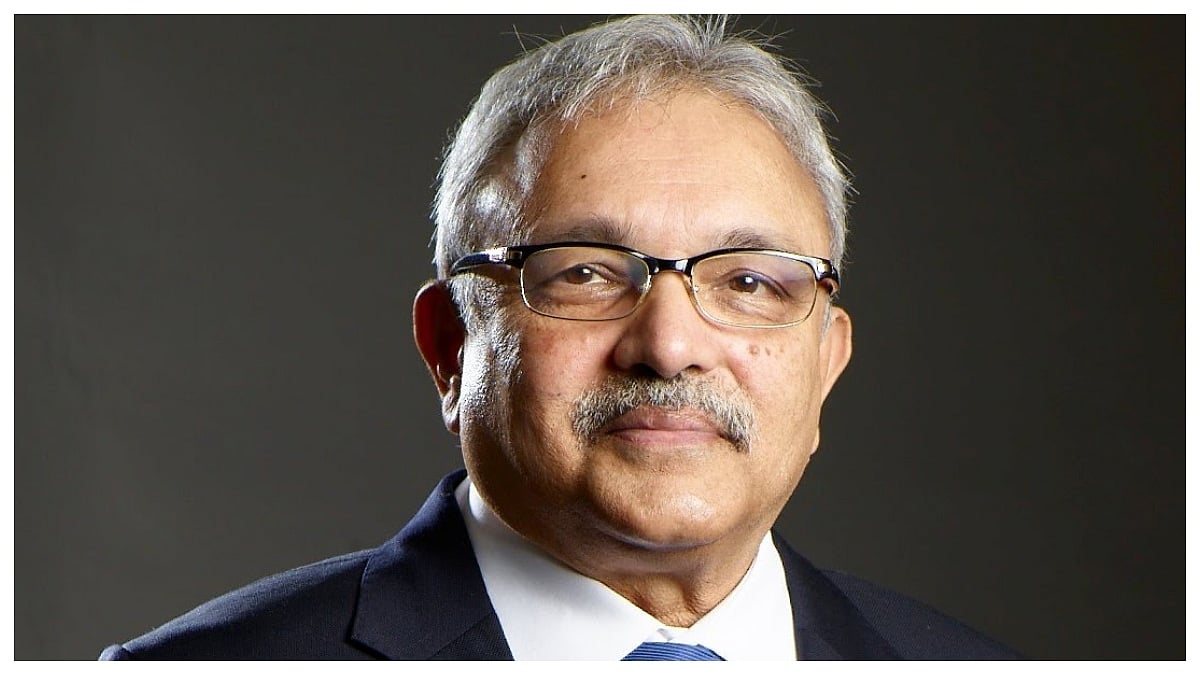
Dr. Ram Gandhi, Businessman, Past president and Governor, IMC. |
One Nation, One Election (ONOE) has emerged as one of India’s most consequential governance reform debates.
Prime Minister Narendra Modi has identified it, along with the UNIFORM CIVIL CODE, among the important unfinished agendas of national significance.
At its core, ONOE is not merely about aligning election dates. The larger question is whether India can reduce the disruptions caused by frequent elections while preserving the federal character, political diversity and democratic accountability fundamental to its constitutional framework.
As India advances towards Viksit Bharat, continuity and quality of governance will assume increasing importance.
MERITS OF ONOE
Ending the “Permanent Campaign” Cycle
Frequent elections create an almost continuous electoral cycle. Repeated enforcement of the Model Code of Conduct can disrupt governance and decision making. ONOE could provide a more stable, five-year period for policy formulation, implementation and development. Government attention could shift from electoral management to long-term priorities such as manufacturing, renewable energy and digital transformation.
Reducing Electoral Expenditure
Separate elections require substantial expenditure on security, manpower, polling infrastructure, EVMs, VVPATs and administration. Synchronized elections could reduce the recurring costs of conducting elections at different times. Resources saved could potentially be redirected towards infrastructure, education, healthcare and other development priorities.
Greater Policy Continuity
Frequent elections can encourage governments to focus on short-term political considerations. A predictable electoral cycle could encourage longer term policymaking. Greater continuity could provide a more stable environment for businesses and investors making long-term commitments.
Greater Fiscal Discipline
Repeated electoral competition may encourage populist measures such as subsidies, loan waivers and other giveaways. A longer period without elections could allow governments to concentrate more on productive capital expenditure and structural reforms. Public resources could increasingly support infrastructure, education, healthcare, skilling and employment.
Protecting Human Capital
Teachers, government employees, security personnel and administrators are repeatedly deployed for elections. Simultaneous elections could substantially reduce the frequency of such diversion of human resources. Government machinery could remain focused on education, healthcare, skills, employment and development.
Stronger Governance for Viksit Bharat
India’s transformation into a developed economy requires sustained policy implementation. ONOE could provide greater continuity and reduce administrative disruptions. A more predictable electoral cycle could support long-term economic planning and development.
MAJOR CONCERNS OF ONOE
Possible Weakening of Federalism
National issues could overshadow State specific concerns. There is a risk that simultaneous elections could increase the political dominance of national parties. Critics argue that the distinct political and constitutional space of States must be protected. Constitutional protections, consultation with States and separate State level campaigns and manifestos could preserve the federal character.
Local and Regional Issues Could Be Sidelined
National personalities and issues could dominate the election narrative. Regional parties may find it harder to keep local issues at the centre of public debate. State specific governance records could receive less attention. Separate ballots, distinct manifestos and campaigns focused on State issues could help preserve voters’ ability to distinguish between national and State choices.
Premature Dissolution of State Assemblies
Synchronization may initially require some Assemblies to have their terms shortened or extended. This raises legitimate questions about the mandate given by voters. Any alteration of an elected Assembly's tenure raises constitutional and democratic concerns. Such changes should be undertaken only through constitutionally approved arrangements and broad political consultation.
Risk of Mid-term Government Instability
What happens if a government loses its majority before the common election date? Fresh elections could potentially disturb the synchronized cycle. Repeated mid-term elections could undermine the very objective of ONOE.
A constructive vote of no confidence could require an alternative government to be identified before the incumbent is removed. If fresh elections become unavoidable, the new House could serve only the remainder of the common electoral cycle the proposed “unexpired term.”
Major Constitutional Amendments Required
ONOE cannot be implemented merely through an administrative decision. Significant constitutional and legislative changes would be required. Such changes could affect the relationship between Parliament, State Assemblies and the Election Commission. Extensive parliamentary scrutiny, consultation with constitutional experts, States and political parties, followed by the widest possible consensus.
(By Dr. Ram Gandhi, Businessman, Past president and Governor, IMC)
RECENT STORIES
-
-
-
-
-