Murder convict on death sentence freed by SC after 28 years
He had killed seven people, including two children and a pregnant woman in a robbery attempt at their residence in 1998

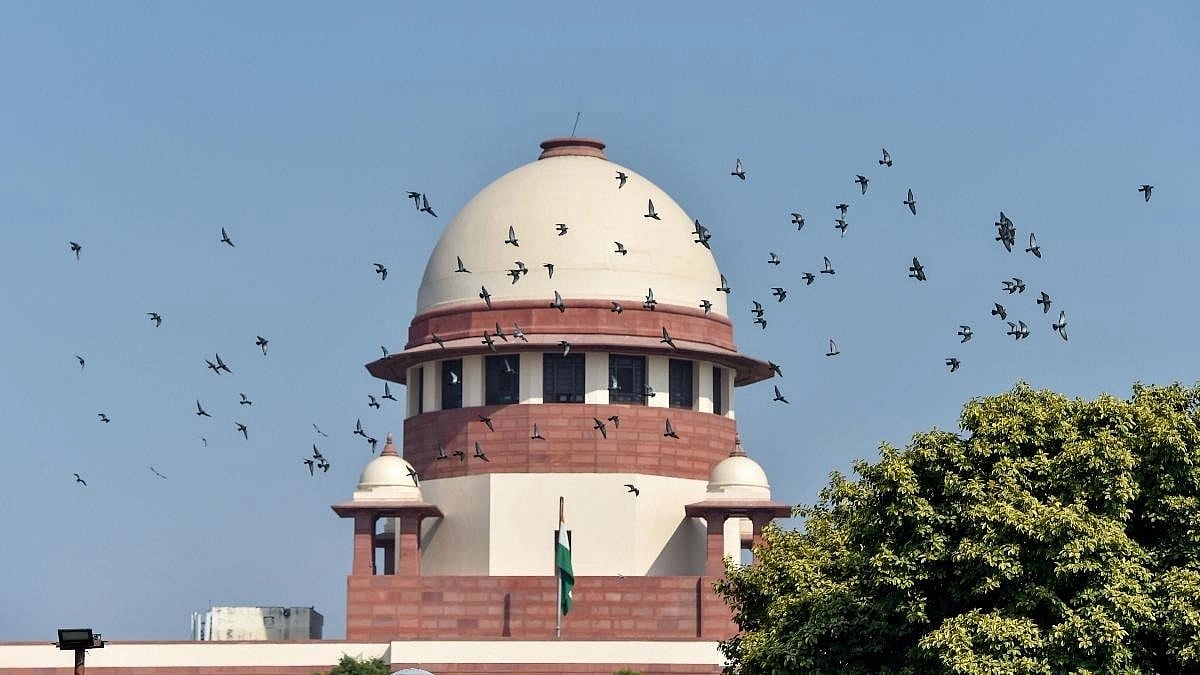
Supreme Court | PTI
New Delhi: After twenty-eight years in jail, the Supreme Court on Monday set free a man from Rajasthan who was on a death row for murdering seven people, including two children and a pregnant woman in a robbery attempt at their residence in 1998, as he was a juvenile at the time of the crime.
“He (convict) shall be set free forthwith from the correctional home in which he remains imprisoned, as he has suffered imprisonment for more than 28 years, having regard to the provisions of Section 18 of the 2015 Act,” a bench of justices K.M. Joseph, Aniruddha Bose and Hrishikesh Roy said Monday.
Pune court had handed over the death sentence to the man
A trial court in Pune had handed the death sentence to him and two other accused in February 1998, while his conviction and sentence were upheld by the high court the next year. In 2000, the convict moved the Supreme Court which turned down his appeal against the conviction and sentence.
While he had not raised the claim of juvenility during the trial, Narayan Chetanram Chaudhary in 2018 filed an application in the top court under Section 9 (2) of the Juvenile Justice (Care and Protection of Children) Act.
The abovementioned clause says that the court is legally bound to order an inquiry to determine the age of an accused who claims juvenility.
Subsequently,the top court referred the matter to the Principal District and Sessions Judge, Pune to decide the juvenility of the man. In a report, the juvenility claim was sustained by the inquiring judge in 2019.
The convict had pleaded that his actual name is Niranaram and that he was a juvenile at the time of the crime. He also requested release from custody on the ground of having served more than the maximum punishment permissible under the Act.
His co-convict Raju had turned approver and was pardoned during trial of the case.
Later, Chaudhary and the third convict, Jeetendra Nainsingh Gehlot, had filed mercy petitions to the President after which Gehlot’s death sentence was commuted to life imprisonment in 2016. Chaudhary, on the other hand, withdrew his mercy petition and filed a review petition in the top court in 2000 but it was dismissed.
Human rights activists, lawyer had backed Chaudhary as he was 13-year-old
Some human rights activists and a lawyer again wrote to the President in 2006 on behalf of Chaudhary, claiming that he was 13-year-old at the time of offence to request cancellation of his death penalty on the ground that he was a juvenile at the time of the offence.
In 2013, the convict also filed a writ petition under Article 32 of the Constitution, representing himself as ‘Narayan@Niranaram’ and seeking quashing of the order of punishment on the ground of him being a juvenile. The Supreme Court, however, dismissed the writ petition.
In the latest instance, the SC did not take this dismissal as res judicata (case already been decided) saying that Article 32 is discretionary in nature and that the dismissal order of the writ was not supported by reason
RECENT STORIES
-
-
-
-
-