MHA Unveils PRAHAAR To Combat Cross-Border Terror, Cyber Threats
The Union Home Ministry has launched “PRAHAAR,” India’s first National Counter-Terrorism Policy and Strategy, addressing threats from cross-border terrorism, cyber-attacks, drones and emerging technologies. The framework strengthens protection of critical infrastructure, promotes legal and international cooperation, and outlines measures to counter radicalisation.

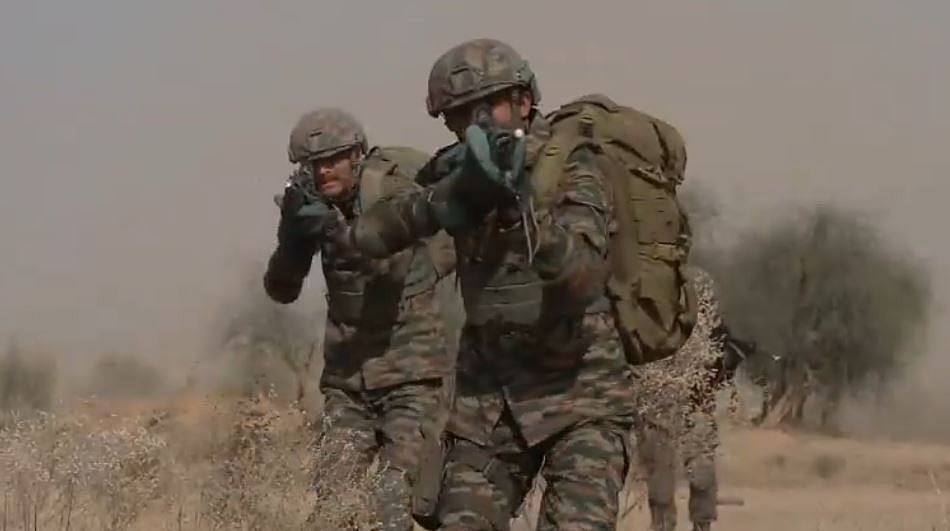
The Union Home Ministry on Monday unveiled India’s first comprehensive National Counter-Terrorism Policy and Strategy, titled “PRAHAAR,” outlining a broad framework to tackle existing and emerging security threats. The document highlights dangers ranging from cross-border terrorism and cyber intrusions to the misuse of drones and advanced technologies.
The policy notes that in addition to terrorism backed from across the border, India faces persistent cyber threats from criminal hackers and hostile nation states. It underlines that terrorist risks span land, sea and air, while affirming that security capabilities have been strengthened to protect critical infrastructure sectors such as power, railways, aviation, ports, defence, space and atomic energy from both state and non-state actors.
The strategy clarifies that India does not associate terrorism with any religion, ethnicity or nationality. However, it points to long-standing challenges from cross-border sponsored terrorism, including activities by jihadi outfits and their affiliates. Global terror organisations such as Al-Qaeda and ISIS are identified as attempting to foment violence in India through sleeper cells and foreign-based extremist networks.
ALSO READ
The document flags the increasing use of drones, particularly in Punjab and Jammu and Kashmir, along with terror groups’ growing links with organised crime for logistics and recruitment. It also warns of digital platforms, encrypted apps, the dark web and cryptocurrencies being used for propaganda, financing and operational coordination.
PRAHAAR stresses the difficulty of preventing access to CBRNED materials and the risks posed by drones and robotics. It calls for stronger legal oversight during investigations, enhanced international cooperation, counter-radicalisation efforts, community engagement and structured de-radicalisation programmes to address evolving threats comprehensively.
RECENT STORIES
-
-
-
-
-