Indian Railways’ New Freight Reforms Boost Bulk Cement Movement In Tank Containers
Indian Railways’ revised GTKM-based freight charges and incentives have encouraged cement companies to shift bulk cement movement to rail, with Container Corporation of India facilitating silo infrastructure and tank container operations to cut costs and emissions.

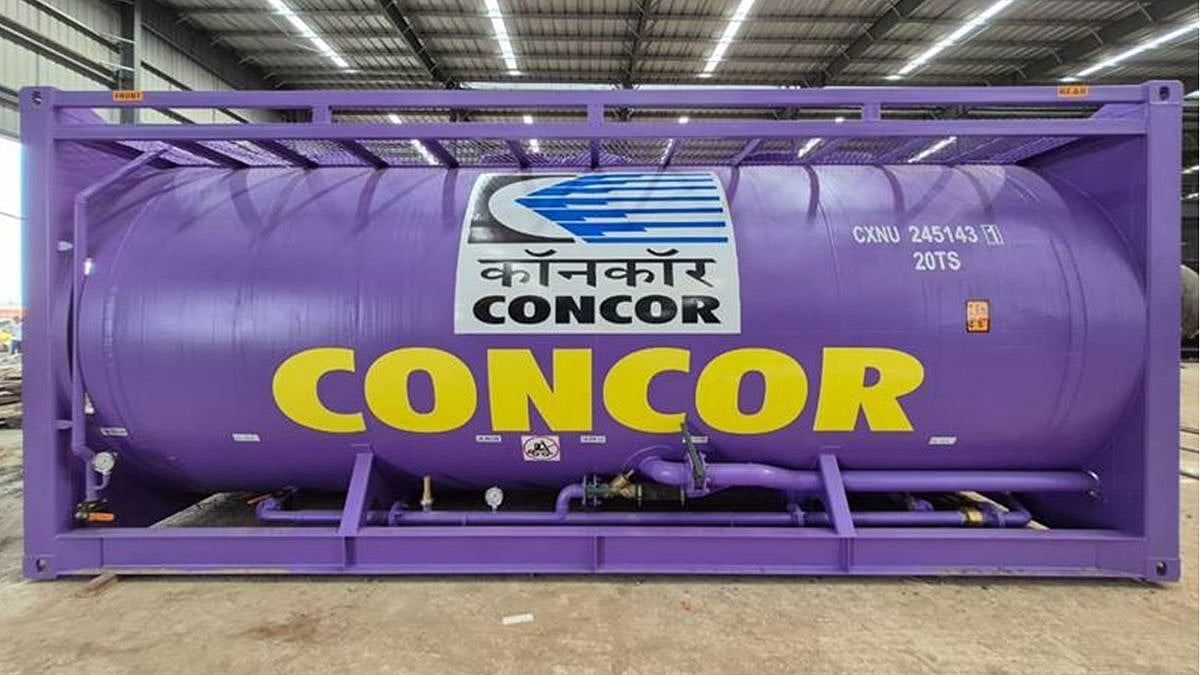
Rail-based bulk cement logistics gain momentum as Indian Railways introduces cost-effective freight charging reforms | X - @PIB_India
Mumbai, Feb 07: Efforts by Indian Railways to increase loading and promote rail-based movement of bulk cement in tank containers are yielding positive results. Many cement companies have approached CONCOR for the movement of bulk cement in tank containers.
Silo infrastructure being developed
CONCOR is also facilitating the setting up of silos at its terminals for bulk cement handling and storage. To deepen reforms and make its schemes more attractive, Indian Railways recently reduced charges on a GTKM basis from 90 paise to 85 paise per tonne per kilometre.
This, along with discounts for empty return movement to the originating terminal on a GTKM basis, is making rail movement of bulk cement in tank containers significantly more competitive compared to road transport.
Positive response from trade
According to an official, the response from the trade to this innovative charging scheme has been very encouraging. The scheme is expected to reduce overall freight costs for bulk cement movement, resulting in lower fuel consumption and reduced emissions.
The reforms also support faster turnaround and reduced handling losses compared to bagged cement, while facilitating the adoption of tank containers in bulk cement logistics and improving plant-to-market efficiency.
Earlier charging structure found unattractive
Earlier, Indian Railways charged haulage on a per TEU basis as per distance slabs for the movement of bulk cement in tank containers, with graded discounts on haulage for empty return movement — 50% in the first year, 40% in the second year, 30% in the third year, 20% in the fourth year, 10% in the fifth year, and no discount from the sixth year onwards.
Also Watch:
ALSO READ
However, this charging mechanism was found to be unattractive for cement producers and acted as a deterrent to shifting bulk cement movement from road to rail.
To increase loading and promote rail-based movement of bulk cement in tank containers, the Railways introduced rate reforms aimed at creating a win-win situation for both the Railways and its customers.
RECENT STORIES
-
-
-
-
-