India-Pakistan Naval Face-Off: Why 2026 Incident Reminds Of 2011 Standoff
A high-speed naval encounter between Indian and Pakistani warships in the North Arabian Sea has revived memories of the 2011 INS Godavari-PNS Babur standoff

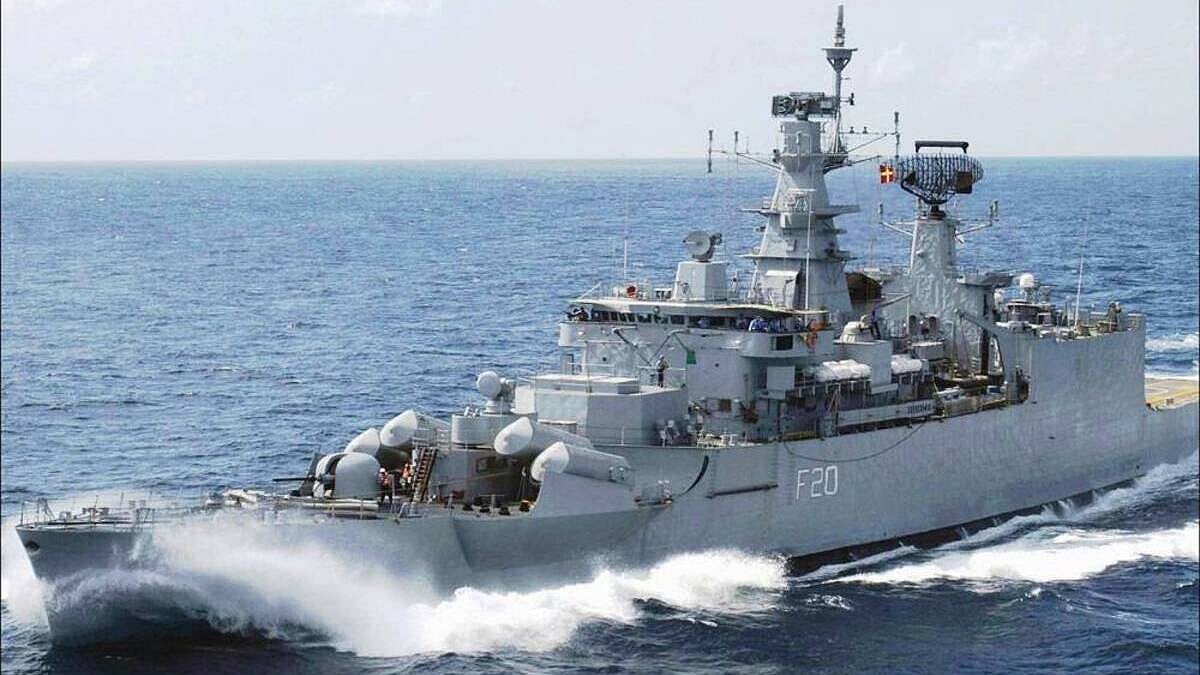
INS Godavari | Indian Navy
The mid-sea collision between Indian and Pakistani naval warships in international waters on September 15 has sparked fresh diplomatic tension between the two nuclear-armed neighbours.
While rare, the high-speed encounter is not without historical precedent, bearing striking similarities to a major maritime standoff that played out 15 years ago.
High-speed encounter off the Oman coast
The latest incident occurred on the evening of September 15 in the North Arabian Sea, approximately 220 kilometres east of Oman. A frontline Indian Navy vessel conducting routine surveillance was approached at high speed by a Pakistan Navy warship.
The Pakistani vessel allegedly manoeuvered erratically before grazing past the Indian warship. Prompt seamanship ensured no casualties or major structural damage were sustained, but New Delhi swiftly summoned Pakistan’s Charge d’Affaires, Saad Ahmad Warraich, to lodge a formal demarche condemning the maneuver as "unacceptable and unprofessional".
The 2011 MV Suez standoff
A near-identical confrontation unfolded in June 2011 involving the guided-missile frigate INS Godavari and the Pakistani frigate PNS Babur. The Indian vessel involved was the lead ship of the Godavari-class guided-missile frigates, built by Mazagon Dock Limited in Mumbai, which served the nation for 32 years following its commissioning on December 10, 1983, until its eventual decommissioning on December 23, 2015.
Its Pakistani counterpart, PNS Babur, was a Type 21 general-purpose frigate—formerly the Royal Navy’s HMS Amazon—that served in the Pakistan Navy from 1993 to 2014.
The 2011 incident took place during anti-piracy operations following the release of the hijacked merchant vessel MV Suez. As both navies rushed units to escort the freed vessel, PNS Babur closed in on INS Godavari at unsafe speeds, ultimately brushing against the Indian frigate’s flight deck and shearing its helicopter safety netting.
That encounter triggered a fierce war of words, with India releasing video evidence of the dangerous approach, while Islamabad countered by alleging the Indian warship had obstructed a humanitarian rescue mission.
Violation of bilateral safety protocols
In both the 2011 and 2026 incidents, New Delhi cited specific violations of existing bilateral confidence-building measures.
Specifically, India highlighted Article 10 of the April 1991 'Agreement Between India and Pakistan on Advance Notice on Military Exercises, Manoeuvres and Troop Movements'.
Under these protocols, naval surface ships and submarines operating in international waters are required to maintain a safe operational buffer—mandating a minimum distance of three nautical miles (approximately 5.6 km)—to eliminate the risk of accidental collisions.
Though catastrophic damage was avoided in both instances, the repeated occurrence highlights the delicate security environment in the Arabian Sea.
RECENT STORIES
-
-
-
-
-