Fuel, Foiled Plans, And Finances: Can Air India’s Next Chief Save The Airline from A 'Perfect Storm'?
Air India CEO Campbell Wilson has resigned, with the airline facing financial strain, operational delays, and reputational damage after the 2025 Ahmedabad crash. The Tata-owned carrier is searching for a successor, while losses are expected to surge and transformation plans face setbacks due to supply chain and geopolitical challenges.

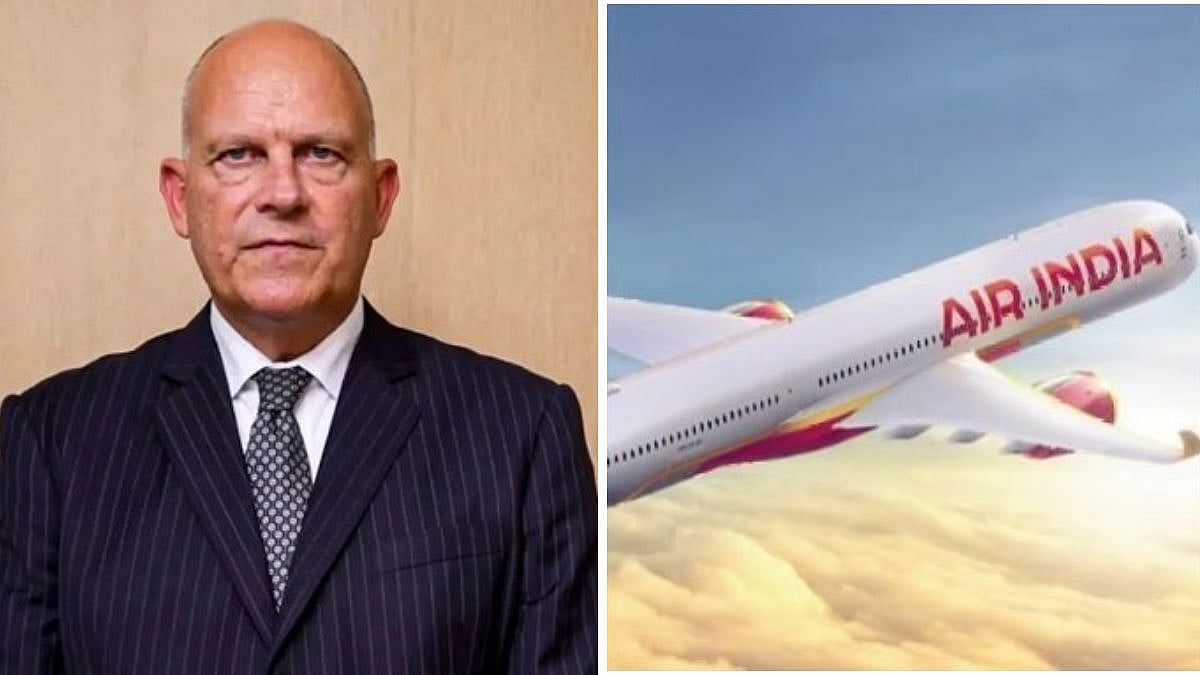
The news of Air India chief executive officer and managing director Campbell Wilson’s resignation did not come as a surprise to the aviation industry, which had seen it coming for a long time. | X & File Pic
The news of Air India chief executive officer and managing director Campbell Wilson’s resignation did not come as a surprise to the aviation industry, which had seen it coming for a long time. His exit leaves the Tata-owned carrier navigating one of the most turbulent periods in its history, as the incoming leader will inherit a perfect storm of challenges, from catastrophic financial hemorrhaging to a brand reputation severely scarred by the tragic June 2025 Ahmedabad crash.
On Tuesday, the Air India Group officially announced Wilson’s resignation, cutting short a five-year tenure originally slated to end in July 2027. The airline stated that he had expressed his intention to step down in 2026 to Chairman N. Chandrasekaran in 2024. The Air India board said that it has constituted a committee to find the successor and Wilson will remain in the role until then.
In an internal message to the employees, Wilson wrote, “We have accomplished much. I am incredibly proud of what you have achieved, especially in the face of unprecedented headwinds in the form of aircraft delivery and supply chain challenges, two wars, crippling airspace closures and fuel prices and, most acutely, tragedy.”
Appointed in 2022 to spearhead Tata Group's ambitious ‘Vihaan.AI’ transformation plan, the former Scoot CEO faced a monumental task of turning around the formerly state-run, legacy airline. While his tenure saw massive fleet orders and initial modernisation efforts, external shocks and internal operational hurdles proved relentless.
The Dark Shadow of Flight AI-171
The most profound crisis facing Air India is the ongoing fallout from the June 12 tragedy last year when its Boeing 787-8 Dreamliner, bound for London Gatwick, crashed into the B.J. Medical College hostel complex in Ahmedabad mere seconds after takeoff. The disaster claimed 260 lives, becoming the first fatal crash involving a Dreamliner aircraft. The incident led to intense scrutiny of the airline by the Directorate General of Civil Aviation (DGCA).
The disaster led to a sudden decline in the airline’s reputation, which had been slowly turning positive. While the families of 260 victims still await justice, several experts and the pilots’ associations, in an attempt to oppose the narrative of the crash being a deliberate act by the crew, are weighing in on the theory of electrical failure. As the final report is expected to be published on the tragedy’s first anniversary, the airline awaits the investigator’s judgement and sentence.
Stemming the Financial Bleed
Even before the Ahmedabad crash, the airline was already in a pool of issues, with its finances the most challenging of all. The carrier gradually reduced its losses over the past three years, but after the AI-171 tragedy, the losses for FY2026 are estimated to swell to a staggering Rs20,000 crore, increasing from an initial estimate of Rs2,000 crore.
While geopolitical instability is a global aviation issue, it has disproportionately battered Air India's bottom line. The prolonged closure of Pakistani airspace, compounded by the ongoing conflict in West Asia, has forced the airline to take longer routes. This has drastically increased fuel burn and stretched crew resources, eroding profitability on lucrative Western long-haul flights. All of this is happening while the cost of aviation turbine fuel has increased by 115%.
Efficient But Slow Transformation
The ambitious Vihaan.AI transformation initiative has encountered significant turbulence, struggling to meet its original timelines primarily due to severe external constraints and legacy operational hurdles. The most visible setback has been the airline’s $400 million widebody retrofit program, which was intended to rapidly modernise the aging interiors of its legacy Boeing 777 and 787 fleets. This critical cabin overhaul has been delayed by at least two years, with completion now pushed to late 2028 due to persistent global supply chain bottlenecks and prolonged delays from seat manufacturers.
Consequently, while the airline has aggressively ordered new aircraft to expand its network, it has been forced to continue operating older jets with broken in-flight entertainment systems and outdated cabins on lucrative long-haul routes. Combined with fluctuating on-time performance and service inconsistencies, these structural challenges indicate that while the foundation for modernisation is being laid, the rapid turnaround envisioned in the early phases has not been entirely successful according to the initial schedule.
ALSO READ
According to KVJ Rao, a former cabin crew member with Air India and a union member, the carrier’s issue will not be solved by replacing the top head alone; the main problem lies at its core. “As long as the work culture doesn't change, nothing really changes at Air India, as they haven’t come out of the era when it was government-owned. They hire the same old officials for important positions and then expect them to transform the airline. The new CEO will take at least a year to understand the spiderweb of issues at the organisation,” he said.
Sky Ahead for the New CEO
The next CEO will step into a highly scrutinised role where failure is heavily penalised by an unforgiving market. To stabilise the Maharaja, the incoming leader's immediate mandate will have to involve addressing the DGCA's concerns and rebuilding internal process discipline to prevent future tragedies while also managing the AAIB report’s aftermath by handling the public relations and legal ramifications transparently and empathetically.
Wilson’s resignation has made the situation more challenging for Air India, as its rival, IndiGo, recently appointed aviation veteran Willie Walsh as CEO. The new leader will have a humongous task of the airline’s financial restructuring by finding operational efficiencies without compromising safety. Along with all of these, the role will also require ensuring that despite the setbacks, the airline continues its promised modernisation, from retrofitting aging cabins to elevating the in-flight customer experience.
To get details on exclusive and budget-friendly property deals in Mumbai & surrounding regions, do visit: https://budgetproperties.in/
RECENT STORIES
-
-
-
-
-