DGCA Extends Pilot Rest Rule Deadline To March 2027, Airlines Get Five-Month Relief
The DGCA has extended the deadline for full implementation of revised pilot rest rules by five months to March 31, 2027, marking the third extension. Airlines cited rising costs and crew requirements, while pilot associations opposed the move, warning that repeated relaxations could undermine fatigue-management measures and flight safety.

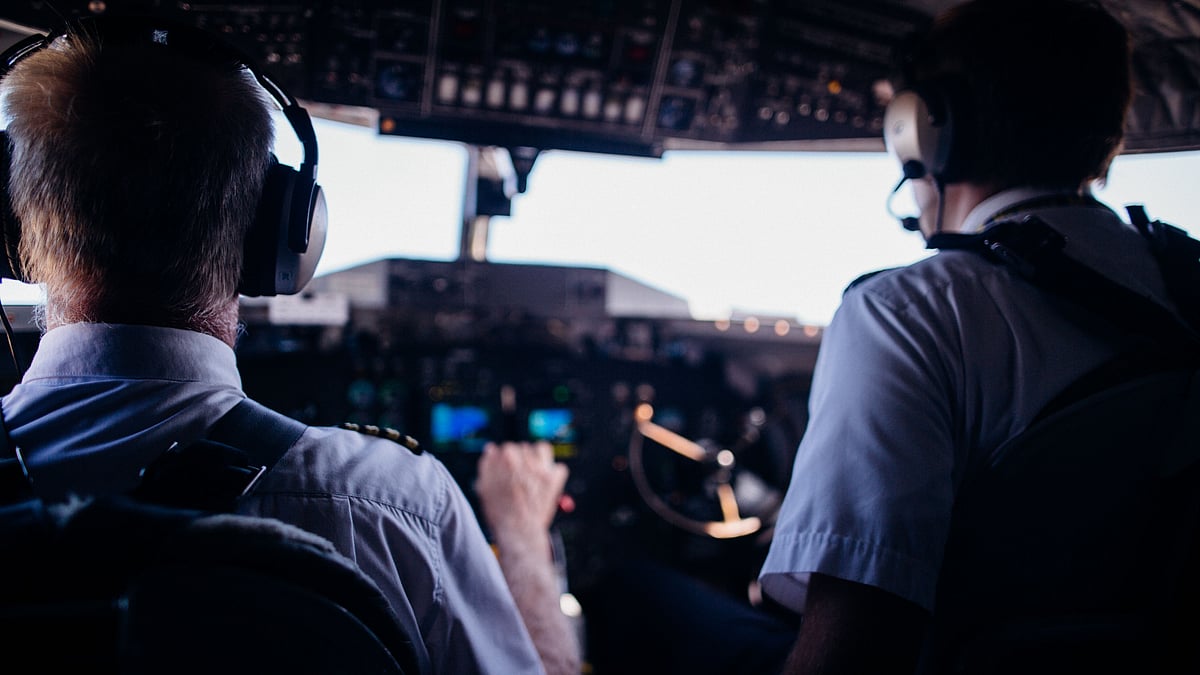
Pexels Image
The Directorate General of Civil Aviation (DGCA) has extended the deadline for the full implementation of revised pilot rest rules, known as Flight Duty Time Limitations (FDTL), by five months to March 31, 2027. This is the third extension granted for the implementation of the revised norms, which aim to manage pilot fatigue and improve flight safety.
The relaxations, which were due to expire on October 31, 2026, will now remain in effect until the revised deadline. A government official has indicated that no further exemptions will be granted after March 31, 2027, with airlines directed to prepare their crew rosters and operations for full compliance.
DGCA Extends Deadline For Third Time
The revised FDTL rules were notified in early 2025, with implementation planned in phases. While the first phase took effect around July 2025, the second phase, which focuses more on night operations, has faced repeated delays.
The extensions followed IndiGo’s major operational crisis in December 2025, when the airline cancelled thousands of flights amid crew shortages after stricter norms took effect.
The rules are intended to reduce pilot fatigue by changing duty-hour limits and strengthening rest requirements, particularly for pilots operating flights during night hours. However, their implementation has been complicated by airlines’ operational requirements and concerns over crew availability and costs.
What Are The Revised Pilot Rest Rules?
The revised FDTL norms introduce stricter limits on night duty and the number of landings pilots can undertake during specified hours.
Under the revised rules, night duty has been redefined to cover the period between midnight and 6 am, extending the previous window by one hour. Landings during this period are capped at two, while duty periods are limited to 10 hours in many cases.
Temporary relaxations, which have now been extended, permit up to three landings during specific time windows, including midnight to 1.55 am and 5 am to 6 am. These allowances are subject to conditions, including rest equivalent to twice the duty period.
The rules were introduced to bring pilot working conditions closer to fatigue-management standards and address long-standing concerns over the impact of night operations on flight safety.
Airlines Cite Rising Costs And Crew Requirements
Airlines, represented by the Federation of Indian Airlines (FIA), which includes IndiGo, Air India and SpiceJet, have cited rising operating costs and operational challenges while seeking relief from the stricter norms.
The concerns include high aviation turbine fuel prices, airspace restrictions, longer flight routes, additional crew expenses and rupee depreciation. Airlines have argued that the revised rules could increase pilot requirements by around 25%, while recruitment has slowed.
The DGCA has weighed these operational concerns against the need to maintain safety standards while allowing airlines to sustain viable operations.
Pilot Associations Oppose Repeated Extensions
The repeated extensions have drawn strong opposition from pilot associations, including the Federation of Indian Pilots (FIP), which has argued that continued relaxations undermine the safety objectives of the revised rules.
Pilot representatives contend that the norms were developed after years of advocacy and court involvement to address fatigue-related risks. They have warned that repeated delays could allow airlines to continue relying on temporary relaxations instead of strengthening crew numbers and adjusting schedules.
The FIP has written to the Civil Aviation Minister, seeking withdrawal of the extensions, a data-based justification for the decision and consultations with stakeholders. The association has also questioned whether a blanket relaxation is justified by an industry-wide pilot shortage.
ALSO READ
Full Implementation Targeted For March 2027
The FDTL rules follow long-standing concerns over pilot fatigue and earlier High Court proceedings seeking stronger regulations aligned with international practices.
With the deadline now extended to March 31, 2027, airlines have been directed to prepare for full compliance. The government has indicated that further exemptions will not be granted beyond that date, placing the focus on crew planning and operational adjustments over the coming months.
The extension provides airlines additional time to prepare for the stricter requirements, while the debate continues over how to balance operational viability with the need to protect pilots from fatigue and maintain flight safety.
RECENT STORIES
-
-
-
-
-