Centre Bans 16 Drug Combinations Over Safety Concerns, Lack Of Therapeutic Justification
The Centre has banned 16 fixed-dose combination drugs across India after a scientific review found them therapeutically unjustified and potentially harmful. The Health Ministry said the medicines offered limited benefits compared to their risks and directed authorities to enforce the ban with immediate effect.

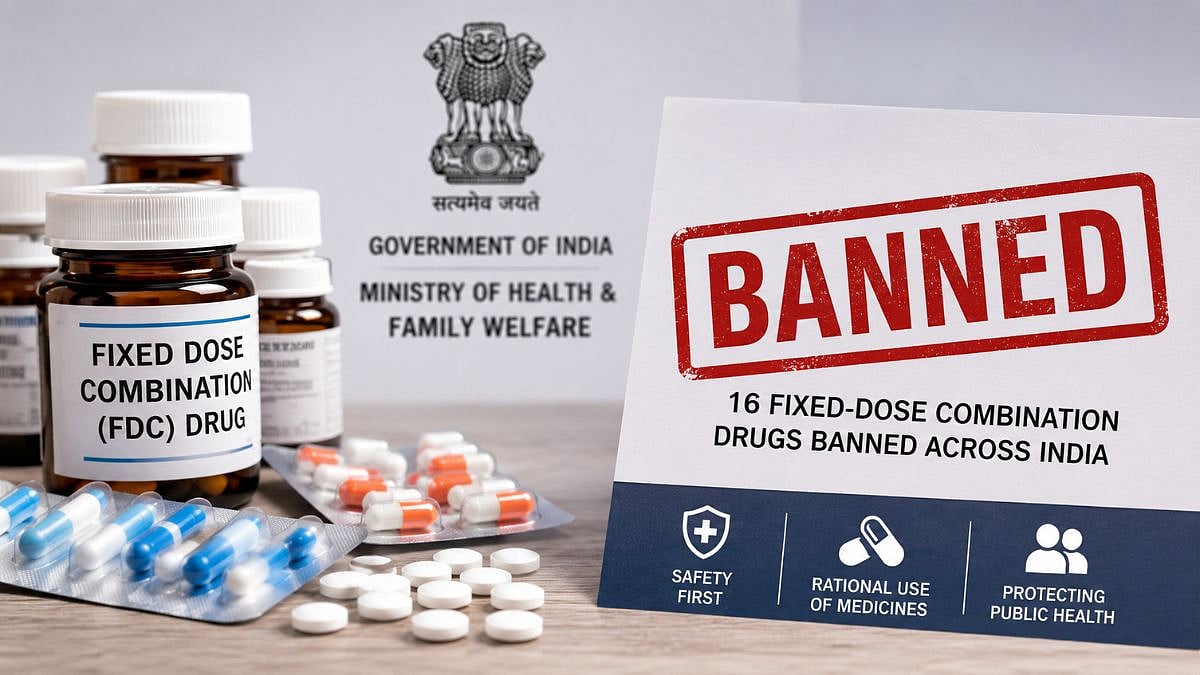
The Centre has prohibited 16 fixed-dose combination drugs following a review that found them potentially unsafe and therapeutically unjustified | AI Generated Representational Image
The Centre has banned the manufacture, sale, distribution and supply of 16 fixed-dose combination (FDC) drugs across India, saying the medicines lack therapeutic justification and pose potential risks to patients.
The decision was taken by the Union Health Ministry following a scientific review of various drug combinations. In a notification issued under Section 26A of the Drugs and Cosmetics Act, 1940, the ministry said the identified FDCs were not considered beneficial when weighed against the risks involved. The ban has come into effect immediately.
Safety over convenience
Fixed-dose combination drugs contain two or more active pharmaceutical ingredients in a fixed ratio. While such medicines are commonly used to improve treatment compliance and reduce the number of pills a patient takes, authorities said not all combinations are supported by scientific evidence.
The ministry said the move is aimed at safeguarding public health and promoting the rational use of medicines. It added that only medicines that are effective and scientifically validated should remain available to the public. The decision also reflects a stricter regulatory approach towards drug combinations that may offer little additional benefit while exposing patients to unnecessary risks.
The action follows a review undertaken in compliance with directions issued by the Supreme Court. As part of the process, the Drugs Technical Advisory Board (DTAB) constituted an expert committee to examine different drug combinations and identify formulations that were irrational, therapeutically unjustified or potentially harmful.
Wide range of formulations affected
Among the combinations prohibited are Acetyl Salicylic Acid with Ethoheptazine; Dicyclomine, Paracetamol and Clidinium Bromide; Dicyclomine, Paracetamol, Clidinium Bromide and Chlordiazepoxide; Gliclazide with Chromium Picolinate; and Paracetamol with Lignocaine.
Several antibiotic-based combinations have also been banned. These include Amoxicillin with Serratiopeptidase, Amoxicillin with Serratiopeptidase and Lactobacillus Sporogenes, Amoxicillin with Cloxacillin, Lactic Acid Bacillus and Serratiopeptidase, Cefadroxyl with Probenecid, and Cefuroxime with Serratiopeptidase.
The prohibited list also covers a number of dermatological and skincare formulations containing Aloe Vera or Aloe Extract combined with ingredients such as Vitamin E, Jojoba Oil, Orange Oil, Wheat Germ Oil, Tea Tree Oil, Allantoin and D-Panthenol.
Push for rational drug use
The ministry noted that the latest action is part of the government's broader effort to strengthen patient safety and encourage the rational use of medicines. It recalled that several irrational FDCs had been prohibited in previous years after detailed scientific reviews.
Also Watch:
ALSO READ
To ensure compliance, all state drug controllers, regulatory authorities and enforcement agencies have been directed to strictly implement the notifications. Manufacturers, importers, distributors and other stakeholders have also been advised to take the necessary corrective measures in line with the law.
(With inputs from agencies)
RECENT STORIES
-
-
-
-
-