After IndiGo, Air India CEO Campbell Wilson Resigns Amid Mounting Operational Pressures And Record Losses
Air India CEO Campbell Wilson has resigned and is serving his notice period, with a successor search underway since January. His exit comes amid major challenges, including the fallout of the 2025 AI-171 crash, rising costs due to West Asia airspace disruptions, and losses that may hit ₹20,000 crore in FY26, alongside delays in the airline’s turnaround plan.

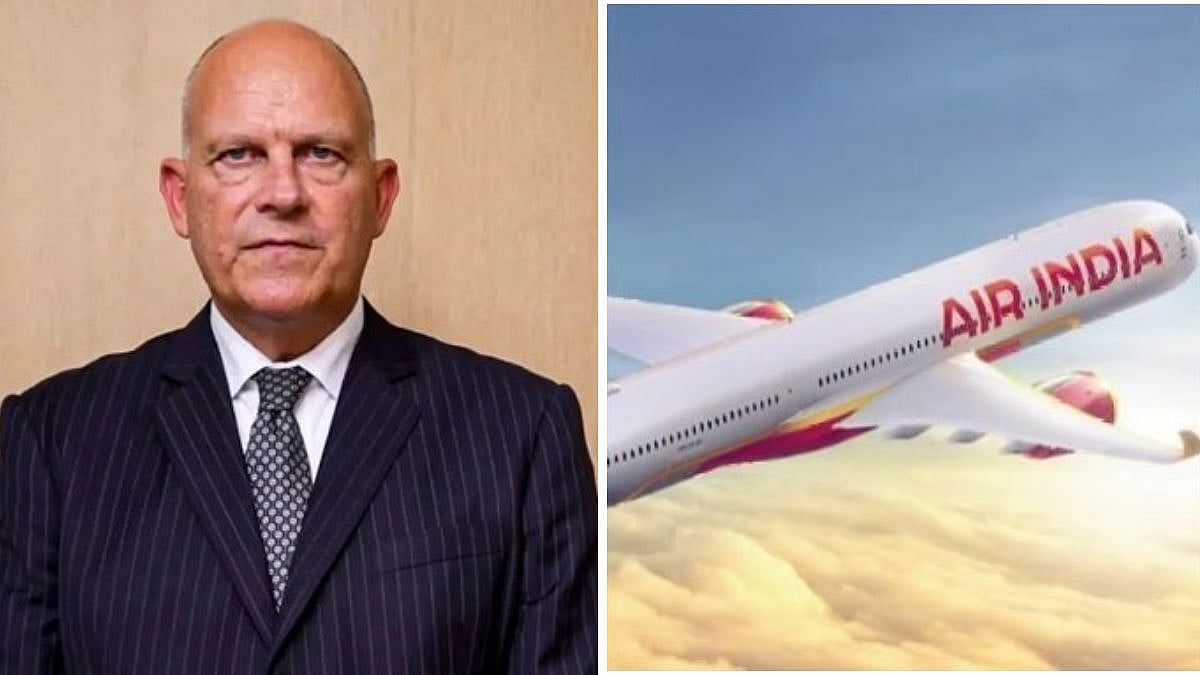
Air India's chief executive officer Campbell Wilson has reportedly tendered his resignation and is serving notice period. | X & File Pic
Mumbai: Air India's chief executive officer Campbell Wilson has reportedly tendered his resignation and is serving notice period. The expat executive will continue his duties until the airline finds a successor, which is ongoing from January.
Transition period
Wilson, a New Zealand-national, who took the helm in September 2022 shortly after the airline was privatised by the Tata Group, will stay on with the company to ensure a smooth transition until his successor takes over. The airline's board reportedly accepted his resignation last week. Wilson had informed the board in January of his desire to step down before his five-year contract concluded in 2027, and the board has been in search for a new CEO since then.
This leadership vacuum arrives at a critical and highly challenging juncture for Air India. The airline is still navigating the profound fallout from the tragic June 2025 crash of Flight AI 171 in Ahmedabad, which resulted in 260 fatalities. With the final aviation agency investigation report mandated for release in June 2026, the incoming chief executive will face intense regulatory scrutiny and an urgent mandate to stabilize the airline's safety protocols and public image.
The carrier is currently battling severe operational disruptions and soaring overhead costs. A primary driver of these expenses is the ongoing West Asia crisis, which has resulted in strict airspace closures. Consequently, Air India has been forced to utilise significantly longer flight paths requiring additional fuel stops, heavily impacting the profitability of its core international network.
Compounding these logistical hurdles is a grim financial outlook, exacerbated by ongoing aircraft supply constraints. Air India is preparing for what is likely to be a record-breaking financial deficit, with industry reports projecting that the airline's losses could reach an estimated Rs20,000 crore for the 2026 fiscal year.
Industry experts told The Free Press Journal that Wilson's resignation was "seen to be coming from a long time." They suggested that while the airline's categorical downfall after AI-171 crash was the main reason behind the change in leadership, his failure to successfully implement Air India's transformation project in a timely manner, failure to curb losses and inability to expand operations are also the contributing factors.
Wilson’s exit mirrors the broader turbulence within the Indian aviation market. His departure marks the second major executive shakeup in the country's airline industry this year, following closely on the heels of a sudden leadership transition at rival carrier IndiGo. Just last month, IndiGo's CEO Pieter Elbers announced that he had put in papers for "personal reasons." The move followed a period of widespread flight disruptions, replacing him with William Walsh
RECENT STORIES
-
-
-
-
-