Conscious Vaastu: Know Why Industrial Kitchens And Canteens Are Hidden Energy Centers Of Workplaces
Why the planning of industrial kitchens and canteens plays a crucial role in employee health, morale, and everyday productivity in the workplace

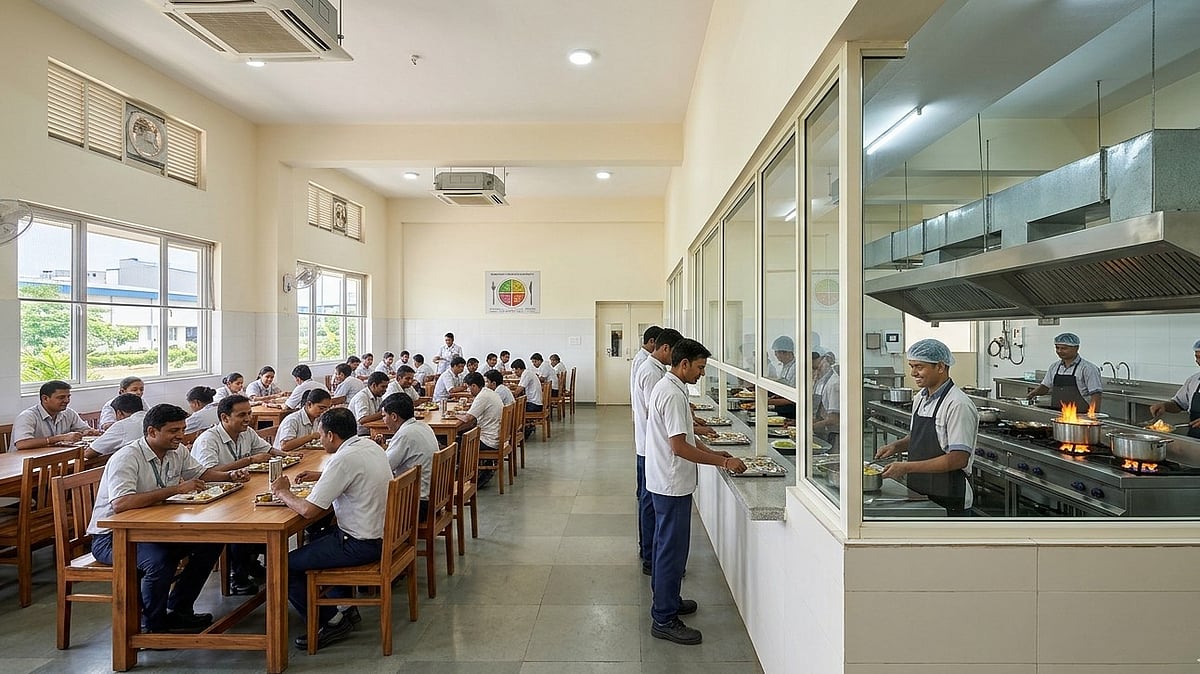
In every industry whether manufacturing, technology, or service the spotlight often shines on production lines, management offices, and machinery. Yet, one of the most vital spaces in any workplace is frequently overlooked: the canteen, kitchen, and dining area. These spaces hold profound importance in Conscious Vaastu®, as they are the living energy centers that speak of harmony, nourishment, and the well-being of the people who form the backbone of the organization.
Food is the primary source of energy for human beings. Just as machines require fuel to run; workers need wholesome nourishment to perform their tasks effectively. Conscious Vaastu® emphasizes that kitchens and dining spaces in industries should never be treated as inferior or secondary. They are core energy hubs that recharge the workforce, sustain morale, and create a rhythm of collective vitality. Let us explore this in detail.
Workers and staff are the pillars of every organization. Their well-being directly influences productivity, harmony, and long-term success. A clean, well-planned dining space is more than a convenience, it is a gesture of respect and care. In my experience, industries with hygienic kitchens and dining spaces radiate positivity, while those that neglect these areas lose the opportunity to cultivate a harmonious, consistent, and vibrant workforce.
Directional Harmony
The South-East quadrant of the shed or plot is the most suitable location, with the North-West quadrant as the second option. Yet, location alone does not create positive energy. The finer details like flooring, finishes, ventilation, and hygiene determine whether the space resonates with vitality or draining energy. Cooking ranges aligned to face East enhance energy flow, while burners in even numbers maintain balance.
Wash areas should avoid the South-West quadrant of the canteen to maintain harmony.
Flooring and Finishes
Many kitchens, though correctly placed, are left with unfinished or poorly maintained floors. This neglect creates negative frequencies, as dirt and stagnation accumulate.
Kota stone or simple ivory antiskid tiles are excellent choices for their simplicity and positive resonance.
Walls can be finished with ivory tiles up to six feet, with the remaining surface in whitewash, ensuring breathability and brightness.
Blue, grey, red and black colour tiles should be avoided.
The pot wash area must be carefully designed with sloped flooring and grease chambers to prevent water stagnation and keep drains clear. These details may seem technical, but they are the foundation of a dining space that sustains energy rather than depleting it.
Ventilation and Cooking Alignment
Ventilation is essential. Windows fitted with mosquito nets and exhaust systems keep the kitchen airy, pleasant, and free from pests. Stainless steel utensils are recommended for both cooking and serving, while aluminium utensils should be strictly avoided due to their negative impact on health and energy.
Plastic steamers, much like aluminium utensils, should indeed be avoided in industrial kitchens and canteens. Plastic, when heated, can release harmful chemicals, and energetically it creates imbalance rather than harmony. Conscious Vaastu® emphasizes materials that are stable, natural, and safe for both body and environment.
Beyond Kitchen and Canteen
Conscious Vaastu® extends its attention beyond layout to food waste management. Creative visuals encouraging respectful eating, along with daily food wastage statistics, remind workers that food is energy. Training staff and workers to avoid waste ensures that every meal contributes positively to the collective energy of the organization.
Hygiene standards for staff are simple yet powerful. Cooks should wear caps, wash hands regularly, and maintain cleanliness. Regular audits ensure that kitchens remain free from flies and insects. These practices are not about appearances, they are about sustaining a consistent flow of balanced energy.
Dedicated Dining Spaces
It is vital to provide a dedicated dining space that are clean, tidy and airy with proper table and chair rather than allowing workers to eat in storerooms, hidden corners, or unhygienic areas. Eating in proper dining areas ensures cleanliness, order, and positive energy absorption. It reinforces respect for workers and strengthens their sense of belonging. Even simple meals, when served in such an environment, bring joy and contentment. This satisfaction is a form of grace that uplifts both people and space.
Balancing the Five Elements
Conscious Vaastu® emphasizes the balance of natural elements in dining spaces:
Air through ventilation
Space through hygienic and well-lit canteen
Earth through clean flooring
Water through hygienic wash and drinking water areas
Fire through aligned cooking ranges
Conclusion
The kitchen, canteen, and dining space are primary energy centers of any industry. Workers are the pillars, and the food they consume is their fuel. The energy of these spaces directly influences their health, morale, and productivity. By following Conscious Vaastu® principles, industries can create environments that radiate harmony, satisfaction, and grace. Investing in these areas is not just about infrastructure, it is about investing in the strength, unity, and success of the entire organization.
RECENT STORIES
-
-
-
-
-