Why People Ghost: How Attachment Styles Can Explain Relationship Behaviours
Ghosting is increasingly becoming a topic of discussion on social media, with mental health experts linking the behaviour to different attachment styles. The feature explains how secure, anxious, avoidant and disorganised attachment patterns influence relationships and highlights self-awareness, communication and therapy as key steps towards building healthier emotional connections.

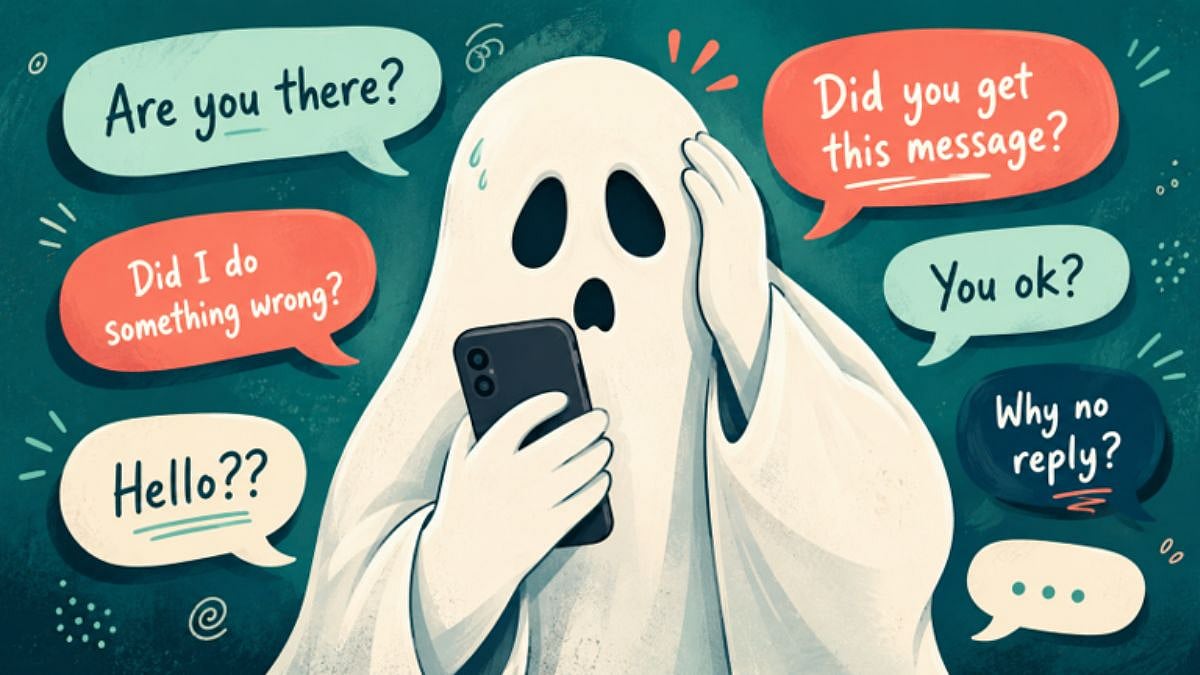
Mental health experts explain how attachment styles can influence ghosting, communication and emotional intimacy in relationships | Representational Image
Have you noticed the sudden increase in content about “ghosting” or “left at seen” on social media? From funny memes to heartfelt stories, it seems to be everywhere lately. In the online world, ghosting simply means cutting off all communication without warning. No replies to text, no calls, no closure. So, why do some people suddenly disappear like this without any explanation?
The answer may lie in how we connect with others, also called our attachment style. While someone suddenly disappearing can be confusing and painful, understanding this concept can help you make sense of your own experiences. We reached out to BetterPlace Health to understand why some people do this more than others and how one can make a positive change. If you need professional help or guidance, they have some of the most trusted psychiatrists in Gurgaon.
What Are Attachment Styles?
Ms. Sulagna Mondal, a clinical psychologist at BetterPlace Health, describes attachment styles as patterns for how we form bonds and respond in close relationships. “According to attachment theory, our early interactions with our primary caregiver begin shaping this style. It continues to influence our adult friendships, romances, and even work dynamics”, she explains.
The four main attachment styles are:
Secure attachment: These people express their emotions openly and comfortably. They depend on their partner and welcome their partner’s dependence in return.
Anxious attachment: Individuals with this style feel less worthy of their partner’s love and fear abandonment constantly. They look for reassurance more often than others.
Avoidant attachment: These people don’t want to depend on others or have others depend on them. They tend to pull away from emotional closeness, which may make them seem distant.
Disorganised attachment: This style exhibits both anxious and avoidant traits, showing a fear of rejection alongside a desire for closeness.
How Ghosting Applies to Different Attachment Styles
Now that we understand the different attachment styles, let’s look at how ghosting plays out in different cases.
Secure attachment and ghosting: Since these people are open with their emotions and prefer to express when something isn’t working, they rarely ghost someone. They prefer to communicate and find a solution.
Anxious attachment and ghosting: People with this attachment type are less likely to initiate ghosting. On the flip side, they are highly likely to be devastated if ghosted. The sudden silence can trigger intense fears of abandonment, confusing and hurting them.
Avoidant attachment and ghosting: Since they tend to avoid uncomfortable conversations, they are the most likely to ghost to end a relationship. Disappearing feels like a safer choice than confronting conflict.
Disorganised attachment and ghosting: Because these people avoid strong emotional attachment due to their intense fear of getting hurt, they may ghost someone to not risk rejection.
Ms Sulagna Mondal explains, “Ghosting often stems from unresolved fears or past experiences. It’s less about the other person and more about how someone has learned to manage, or avoid, emotional closeness.”
Can We Change Our Attachment Style?
There is good news. According to Dr Akul Gupta, a consultant psychiatrist at BetterPlace Health, everyone is capable of changing their attachment styles. “Yes, attachment patterns can change. While our past influences us, it doesn't define us forever. Self-awareness is the first step,” he explains. “When you notice your patterns, whether it’s pulling away, clinging too tightly, or struggling to trust, you can begin to make conscious changes.”
If you want to change your attachment style or make improvements, some practical tips include journaling, practising honesty in relationships, setting boundaries, and seeking therapy and professional support.
Building Healthier Connections
Whether you’ve been ghosted or been the one to ghost someone, you can break this cycle with compassion and by learning to better understand yourself. Instead of blaming yourself or the other person, it helps to see this behaviour as the result of deeper emotional struggles.
This is where therapy plays an important role. It offers you a safe space to explore these struggles, understand your attachment style, and learn healthier ways to connect. With the help of your therapist, you can understand your actions and reactions, and move towards healthier, more respectful relationships.
To Sum It Up
Remember that relationships are complex and ghosting is just one aspect of that complexity. By understanding your attachment style, you gain clarity about your own needs and better understand others’ actions. If you or someone you know experiences similar difficulties, you can find help at BetterPlace Health through their online or offline counselling. Professional support, whether through psychologists or therapists in Delhi, can provide the tools you need to build stronger, healthier connections.
Published on: Saturday, August 01, 2026, 06:12 PM ISTRECENT STORIES
-
-
-
-
-