Budget 2026 Increased STT On F&O — More Investors Turning To Long-Term Demat Trading Accounts
A Demat trading account gives investors the ability to use services that help them buy and sell securities and keep electronic holdings. The trading account helps maintain electronic records of securities whereas the Demat account helps keep track of the securities that are held electronically.

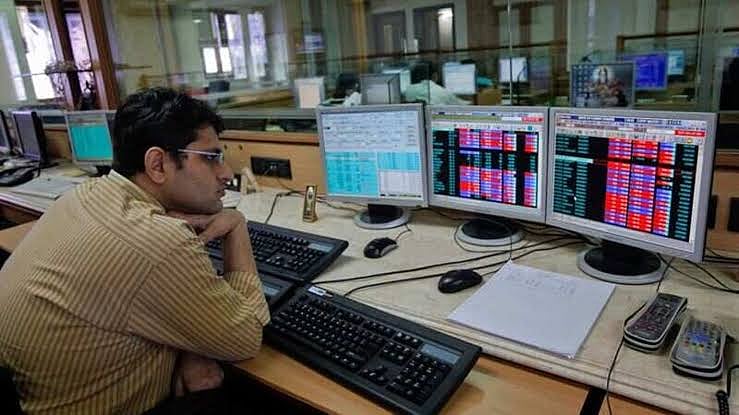
Budget 2026 Increased STT On F&O — More Investors Turning To Long-Term Demat Trading Accounts |
The Union Budget 2026 changed the cost of trading in futures and options or F&O by increasing the Securities Transaction Tax or STT on these transactions. The new rates started on 1 April 2026. This change added to the cost that traders must think about. It also brought focus to the differences between frequent trading in derivatives and investing in securities over longer periods. Still higher taxes do not mean that long-term investing is the choice for everyone. Understanding the changes, account requirements and investment risks helps explain why some market participants may reassess their approach.
demat trading account
https://play.google.com/store/apps/details?id=com.fivepaisa.tradebetter
open demat account
https://play.google.com/store/apps/details?id=com.fivepaisa.tradebetter
How Did Budget 2026 Affect the Cost of Trading?
A Demat trading account gives investors the ability to use services that help them buy and sell securities and keep electronic holdings. The trading account helps maintain electronic records of securities whereas the Demat account helps keep track of the securities that are held electronically.
Budget 2026 increased STT on futures and options transactions. The new rates started on 1 April 2026 which means it is important for traders to look at the cost of each transaction before making orders. Those who plan to open Demat account facilities should also know the difference between account charges, transaction costs and taxes.
What Changed in STT Rates Under Budget 2026?
The revised STT rates affect equity derivatives rather than all investment transactions.
These changes make the tax paid on these specific transactions higher. The actual amount depends on the transaction value and the applicable calculation basis. Traders can check the rates through the National Stock Exchanges STT schedule.
Why are Some Investors Reviewing Their Trading Approach?
Higher transaction costs can be a reason why some investors choose to review the F&O trading that they do. The impact depends on how they trade, the size of each transaction the strategy they use and other fees.
For someone who makes a lot of derivatives trades even a small change in the rate can affect the cost. This may lead to closer review of trading activity, but it does not mean that long-term investing is automatically better.
Long-term investors also face market risk. Share prices can decline, companies can underperform and investments may take longer than expected to recover. The decision to open Demat account and trade depends on financial goals, risk tolerance and the time available for investing.
Long-Term Investing and F&O Trading: Key Differences
The two approaches differ in their purpose, time horizon and risk exposure.
Neither approach removes the possibility of losses. F&O contracts can involve substantial risk, while long-term investments can also lose value. Comparing them requires more than looking at transaction taxes alone.
Does a Demat Trading Account Support Long-Term Investing?
A Demat account allows an investor to hold eligible securities in electronic form. The trading account can be used to make transactions through the broker, and the Demat account records the shares that a person buys and sells.
People that intend to redirect their focus from F&O trading towards long-term investing should assess the services that they require and the ones available through their current broker. It is important to remember that a Demat account itself does not determine an investor’s approach or strategy. An individual should research the options, tax implications and risks that apply to the securities that they are interested in.
Opening an account does not itself determine an investment strategy. Investors still need to research the securities they consider and understand the risks involved.
Conclusion
The Union Budget 2026 increased the STT that applies to certain futures and options transactions from 1 April 2026. While this announcement affects derivatives traders, both long-term investors and F&O traders should assess their needs and the risks and rewards of each approach. Although changes in transaction taxes may be an attractive point of comparison, investors should also understand the nuances of the accounts and the market. An investor’s objectives play a significant role in shaping their approach to the securities market. The 5paisa app is a useful platform that enables people to research and decide on long-term investing and F&O trading. A clear understanding of these considerations will help a person to choose the most appropriate strategy for their needs.
AI Report
Plag Report
RECENT STORIES
-
-
-
-
-