The Need For Policy Regulation As AI Tools Aim to Transform Education
Proper regulations can guarantee the safety, ethical application, and transparency of AI usage in schools, writes Rajesh Bhatia, the founder, of the TreeHouse chain of schools.

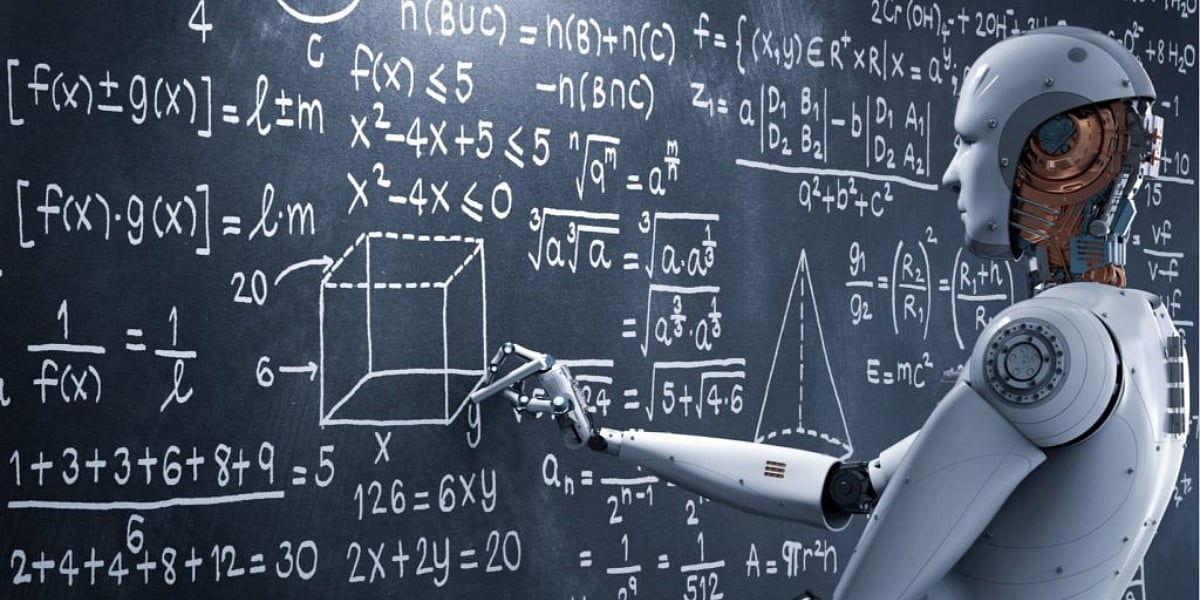
Representative image
On September 14, 2023, Bhagwant Mann, the Chief Minister of Punjab, announced the introduction of Artificial Intelligence (AI) courses in government schools across the state. This initiative aims to provide AI training to one lakh students, in addition to training 10,000 teachers to effectively teach these courses.
Just a month ago, India's first AI School was opened in Thiruvananthapuram, the state capital of Kerala. While the school didn't feature machines or chatbots as teachers, it aims at a new approach to learning powered by AI tools, offering multi-teacher revision support, multilevel assessments, aptitude tests, counselling, and career mapping, elevating the learning experience for students. Initially, it will be available only to students from class eight onwards.
Developments like these showcase AI's growing influence on our educational system and indicate that more schools are likely to integrate this cutting-edge technology in the coming years.
UNESCO's 'State of Education Report for India' also highlights AI's potential to change our education system, suggesting teachers use intelligent tutoring systems for assessments, progress tracking, and personalized feedback. However, many researchers have pointed out that all the key challenges of using AI in other major sectors, such as over-dependence on technology, deterioration of values, job displacements, learning gaps, and issues related to data privacy and security, apply to education as well.
Furthermore, some sector-specific studies have identified key challenges based on biases in algorithms. Relying on search engines and chatbots for information also increases the risk of losing a personal connection with teachers and a decline in the habit of reading and creativity among students. These challenges highlight the need for AI integration in education within a regulatory framework, which requires active collaboration between government regulatory bodies in the education and technology sectors.
During the inaugural Digital Learning Week held in September 2023, UNESCO observed that the education sector is largely unprepared for the ethical and pedagogical integration of these rapidly evolving tools. The agency also put forth seven key guidelines for government regulation of Generative AI in education and research, with a primary focus on establishing a global standard to ensure a human-centric vision for the use of new technology. It recommends that only students aged 13 and above should be allowed to use AI tools in classrooms and also mandates the protection of data privacy.
Such a set of comprehensive guidelines is essential for India, as the government has already outlined its vision to promote digital literacy and technologies like AI in education as part of the National Education Policy (NEP-2020). NITI Aayog has also published the National Strategy for Artificial Intelligence, identifying education as one of the five core areas for AI application.
What our policymakers should now aim for is a proper regulatory framework that encourages collaboration between various stakeholders in education and technology. While the educational sector makes policy decisions and determines the scope of implementing specific technologies, the technical sector must ensure safety, anticipate potential misuse, and devise strategies to mitigate risks.
There are also concerns from various quarters regarding the possibility of technology replacing teachers. However, I strongly believe that empathetic and inspirational educators are indispensable and our educational system is rooted in their proficiency and commitment. The connection between teachers and students, characterized by meaningful interactions, has a deep significance for a child unlike AI which lacks emotional intelligence. Personality development, social skills, and teamwork also necessitate irreplaceable human interaction.
Hence, the policy for regulating AI should also priorities the integration of both technical advancements and human input in education to make it more intelligent while preserving its emotional richness.
The author is Rajesh Bhatia, the founder of the TreeHouse chain of schools.
RECENT STORIES
-
-
-
-
-