'Preserving Tribal Knowledge Traditions Need Of The Hour,' Say Experts At Mumbai University Conference
At a national conference at the University of Mumbai ahead of World Indigenous Day, experts and dignitaries stressed the need to preserve and research the history, culture and knowledge traditions of tribal communities. Maharashtra's Tribal Development Minister said seven tribal research centres have been set up with ₹3 crore each to document and promote tribal heritage.

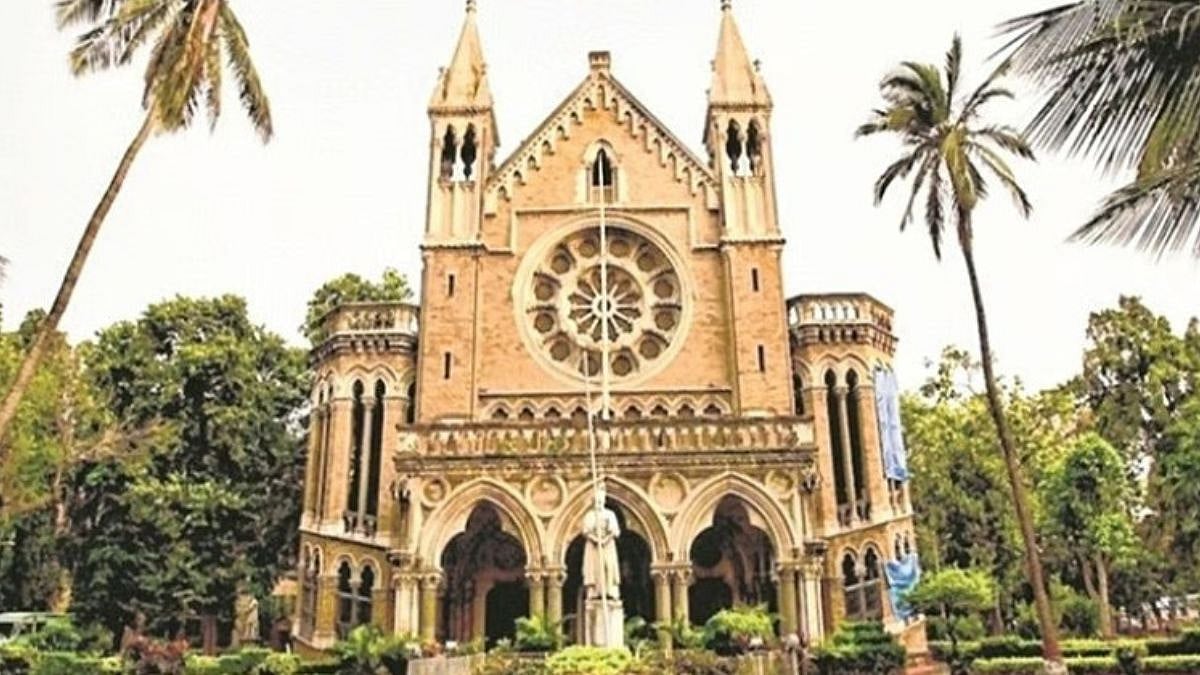
'Preserving Tribal Knowledge Traditions Need Of The Hour,' Say Experts At Mumbai University Conference | File Image
Mumbai: Preserving and conducting research on the rich knowledge traditions, cultural heritage, history and nature-based way of life of tribal communities is the need of the hour, speakers said at a national conference held at the University of Mumbai on Wednesday.
The one-day conference, titled “August 9: World Indigenous Day — History, Reality and India’s Role,” was jointly organised by the university’s Tribal Chair Centre and the Tribal Research and Training Institute, Pune, under the Maharashtra government’s Tribal Development Department.
Tribal Development Minister Prof. Dr. Ashok Uike, National Commission for Scheduled Tribes adviser and former judge Prakash Singh Uike, University of Mumbai Vice-Chancellor Prof. Ravindra Kulkarni and Birsa Munda Tribal University Vice-Chancellor Dr. Madhukar Padvi attended the conference. Researchers, professors and students from across the country also participated in the event.
ALSO READ
In his inaugural address, Prof. Dr. Uike said the deities, religious traditions, cultural heritage and traditional knowledge of tribal communities are closely connected with nature and reflect a scientific outlook. He highlighted the contributions of tribal leaders, including Bhagwan Birsa Munda and revolutionary Raghhoji Bhangare, to the country.
The minister said tribal research centres had been established at seven universities in Maharashtra, with each centre receiving a grant of ₹3 crore. He expressed hope that the centres would undertake extensive research on the history, traditions and knowledge systems of tribal communities.
Prof. Kulkarni said the University of Mumbai has been consistently working to preserve and promote the history, culture and knowledge traditions of tribal communities. He stressed the need for universities across the state to collaborate and strengthen research while documenting tribal knowledge systems.
He added that the University of Mumbai plans to develop initiatives for preserving tribal history and culture along the lines of programmes being undertaken in Delhi and Bhubaneswar.
ALSO READ
Prakash Singh Uike said every citizen living in India is indigenous and that there should be no divisions among people. He said the terms forest dwellers, village dwellers and urban dwellers only describe places of residence and should not be treated as separate identities.
Dr. Padvi called for a more comprehensive study of the contribution of tribal communities to Indian history, culture and the freedom movement.
During the conference, a special research publication titled “Tribal Identity, Deities and Their Cultural Significance” was released by the dignitaries. Experts from across the country presented research papers on tribal history, culture, knowledge traditions and the contribution of tribal communities to nation-building during various academic and technical sessions.
Dr. Prakash Masram, deputy director of the Tribal Chair Centre, delivered the introductory address, while Prof. Dr. Vinod Kumre, director of the centre, proposed the vote of thanks.
RECENT STORIES
-
-
-
-
-