Yen’s Dramatic Fall Rattles Tokyo & Washington, As Markets Watch For A Potential Intervention That Could Reshape Currency Flows
Japan’s yen has weakened to a 34-year low, raising alarm among policymakers as markets anticipate no immediate rate hikes under new leadership. Tokyo may intervene in currency markets if volatility worsens. The prolonged depreciation is hurting Japan’s import-dependent economy, fuelling inflation and intensifying domestic political and global trade tensions.

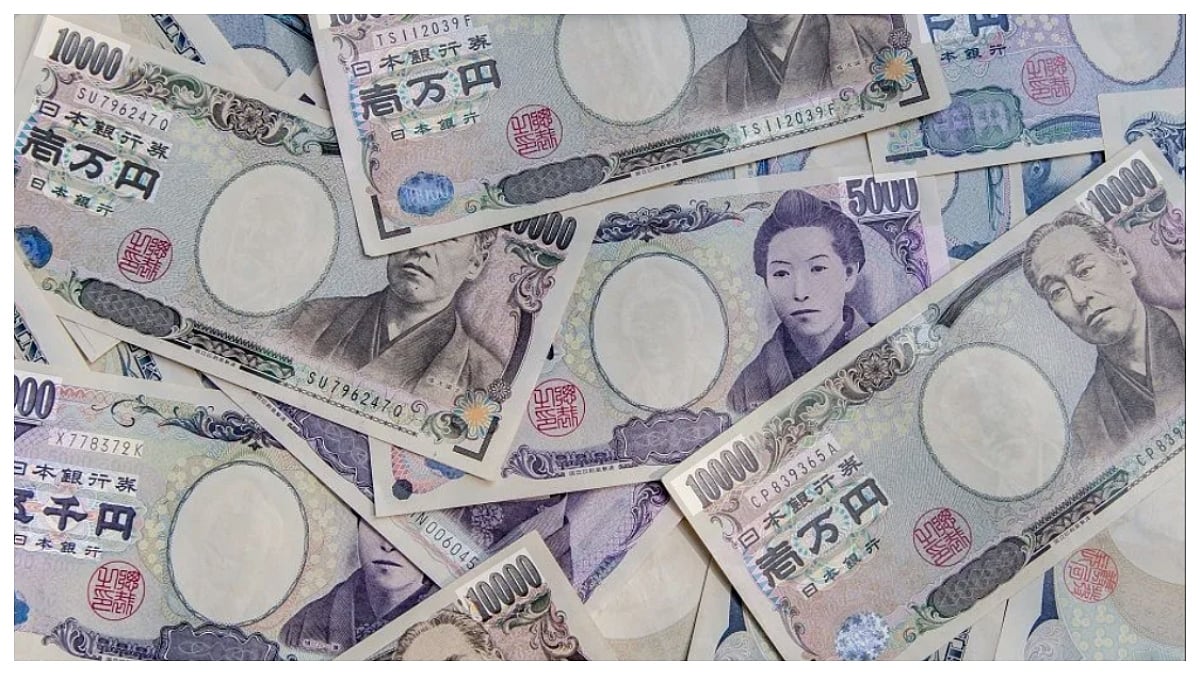
Japan’s yen has weakened to a 34-year low, raising alarm among policymakers as markets anticipate no immediate rate hikes under new leadership. |
Tokyo: The renewed slide in the Japanese yen has heightened anxiety among policymakers in Tokyo as well as global investors. On 12 November, the yen dropped to 154.79 per dollar—its lowest level in nearly nine months. According to a Bloomberg report, the currency’s decline is largely attributed to the rise of Japan’s new political leader, Sanae Takaichi, whose growth-oriented policies are expected to reduce pressure on the Bank of Japan (BoJ) to raise interest rates—a move that could have supported the yen.
Possible Government Intervention if BoJ Holds Rates
If the central bank continues to delay rate hikes, the government may be compelled to intervene directly in the currency market to stabilise the yen. Japanese officials have hinted they are closely monitoring currency movements—often the first sign of a potential intervention. While Japan formally supports market-driven exchange rates under international commitments, G20 guidelines recognise that excessive or disorderly fluctuations can pose risks to economic stability. Officials say they intervene not at a particular exchange level but when volatility becomes rapid and disorderly.
ALSO READ
Why the Weak Yen Is Now a Major Concern
A weaker yen had previously made Japan an affordable destination for tourists and boosted exporters’ profits. But the depreciation has now gone too far. For an economy heavily dependent on imported fuel and raw materials, a weak yen raises costs, accelerates inflation and erodes margins for domestic industries. This has deepened the cost-of-living crisis, contributing to the resignation of two prime ministers. Former US president Donald Trump has also accused Japan of keeping its currency artificially weak to gain an unfair trade advantage—an issue that has surfaced repeatedly in bilateral trade talks.
How Japan Conducts Currency Intervention
In Japan, currency interventions are authorised by the Ministry of Finance and executed by the Bank of Japan through selected commercial banks. To strengthen the yen, authorities sell dollars and buy yen. The required dollars come from Japan’s foreign exchange reserves, which stood at USD 1.15 trillion at the end of October.
ALSO READ
Effectiveness of Intervention and U.S. View
Intervention signals that the government will not allow unchecked depreciation, but its impact usually remains temporary unless underlying economic factors are addressed. Last year, Japan spent about USD 100 billion to support the yen, mostly when the currency approached 160 per dollar. Although the U.S. Treasury has placed Japan on its monitoring list, it has not formally labelled the country a “currency manipulator.” Both countries recently agreed that interventions should be limited to preventing extreme volatility. Should Japan intervene again and the yen strengthens, the Trump administration is expected to quietly accept the move.
RECENT STORIES
-
-
-
-
-