Why Is The US Buying Japanese Yen As It Hits A 40-Year Low? |FPJ EXPLAINER
The United States has launched an unusual coordinated effort with Japan to support the yen as the currency nears four-decade lows. The intervention comes amid rising import costs, weak economic growth and inflation pressures in Japan, while concerns over debt, low interest rates and government spending continue to weigh on the currency

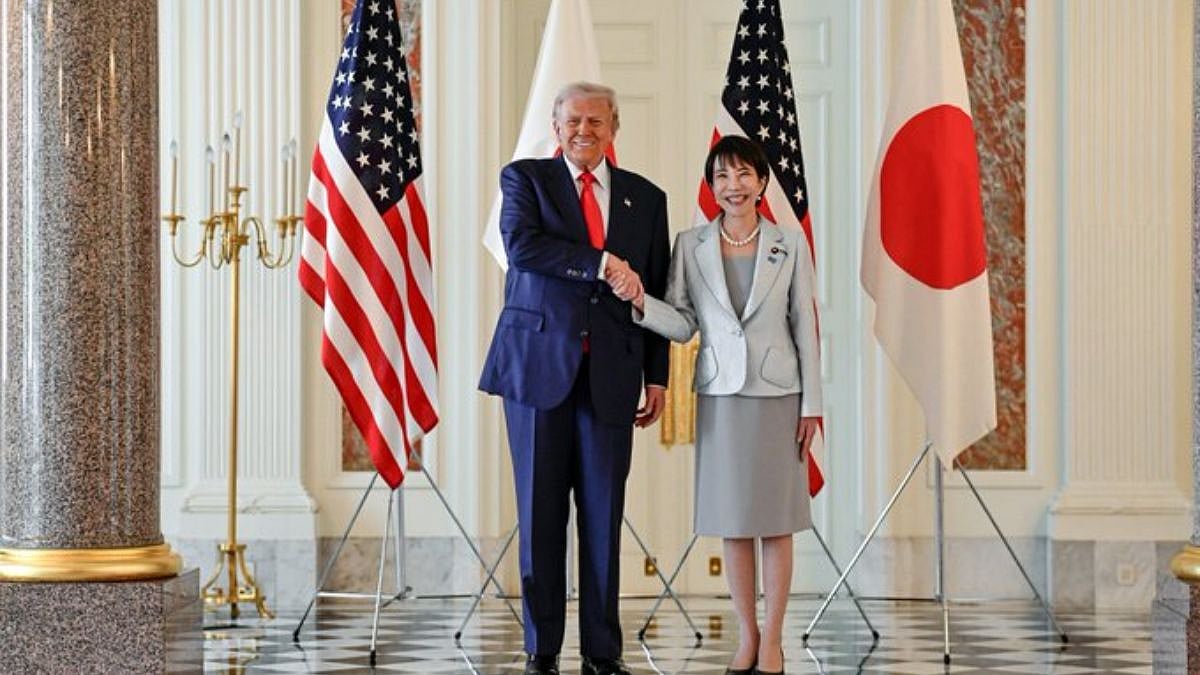
X @WhiteHouse
The United States has stepped in to help strengthen the Japanese yen, marking an unusual coordinated intervention with Japan’s government as the currency approaches its weakest level in nearly 40 years.
Japan has been struggling to contain a prolonged decline in the yen, which has increased pressure on an economy heavily dependent on imported energy, food and raw materials.
A weaker currency raises import costs for businesses and households, adding to inflation concerns and increasing pressure on the government to revive economic growth.
The move comes as Japanese Prime Minister Sanae Takaichi faces growing political challenges over rising living costs and economic uncertainty. The US administration’s support is aimed at helping stabilise the yen and reduce broader financial risks.
ALSO READ
West Asia conflict pressures yen
Japan has spent billions of dollars since 2022 attempting to slow the yen’s decline, but the currency has continued to weaken due to investor selling and global economic pressures.
The ongoing Middle East conflict has further complicated the situation. Japan relies heavily on energy imports from the region, and disruptions to oil and gas supplies have increased costs. The government has attempted to reduce the impact on consumers through large-scale fuel subsidies.
Another factor behind the yen’s weakness is the Bank of Japan’s long-standing policy of keeping interest rates relatively low. Lower rates make the currency less attractive to international investors compared with countries offering higher returns.
Japan’s high public debt has also contributed to market concerns. Government debt has exceeded 200% of GDP, the highest among G20 economies, as authorities continue spending heavily to support economic activity and address challenges linked to an ageing population.
ALSO READ
Why did the US come to the rescue?
The first indications of US involvement emerged during a Trump administration cabinet meeting, where Treasury Secretary Scott Bessent was reportedly seen with a note referring to plans to purchase Japanese yen worth billions of dollars.
President Donald Trump later confirmed that the US Treasury had bought yen, describing the move as beneficial for the global economy. The intervention marked the first time in about three decades that Washington has directly supported the Japanese currency.
Analysts believe the US move may also be linked to concerns over Japan’s sale of US Treasury bonds. To support the yen, Japan has previously sold US government securities and used the proceeds to buy its own currency.
Large-scale selling of US bonds can push up Treasury yields, making government borrowing more expensive for Washington. Some economists believe the Trump administration wants to limit such pressure by helping Japan stabilise the yen.
Earlier precedents
The US intervention in Japan’s currency market follows a similar move involving Argentina last year, when Washington bought billions of dollars’ worth of Argentine pesos to support the country’s economy ahead of an election.
Some analysts believe the Trump administration sees Takaichi as a political ally, similar to Argentine President Javier Milei, whose economic reforms received US backing.
Takaichi’s government has also strengthened Japan’s defence policy, approving the country’s largest military expansion since World War II and planning to raise defence spending to 2% of GDP over five years.
While the policy has faced criticism domestically over concerns about Japan moving away from its post-war pacifist approach, it has received support from Washington, which has urged allies to increase defence responsibilities.
The yen intervention reflects the growing economic and geopolitical links between Japan and the US, as both countries attempt to manage currency instability, inflation risks and broader global uncertainty.
RECENT STORIES
-
-
-
-
-