STT & LTCG Tax Cuts Coming Soon? Finance Minister Nirmala Sitharaman's Remarks Spark Fresh Speculation
Finance Minister Nirmala Sitharaman confirms investor discussions on STT and LTCG taxes but announces no relief. Here's what current tax rates mean for stock market investors.

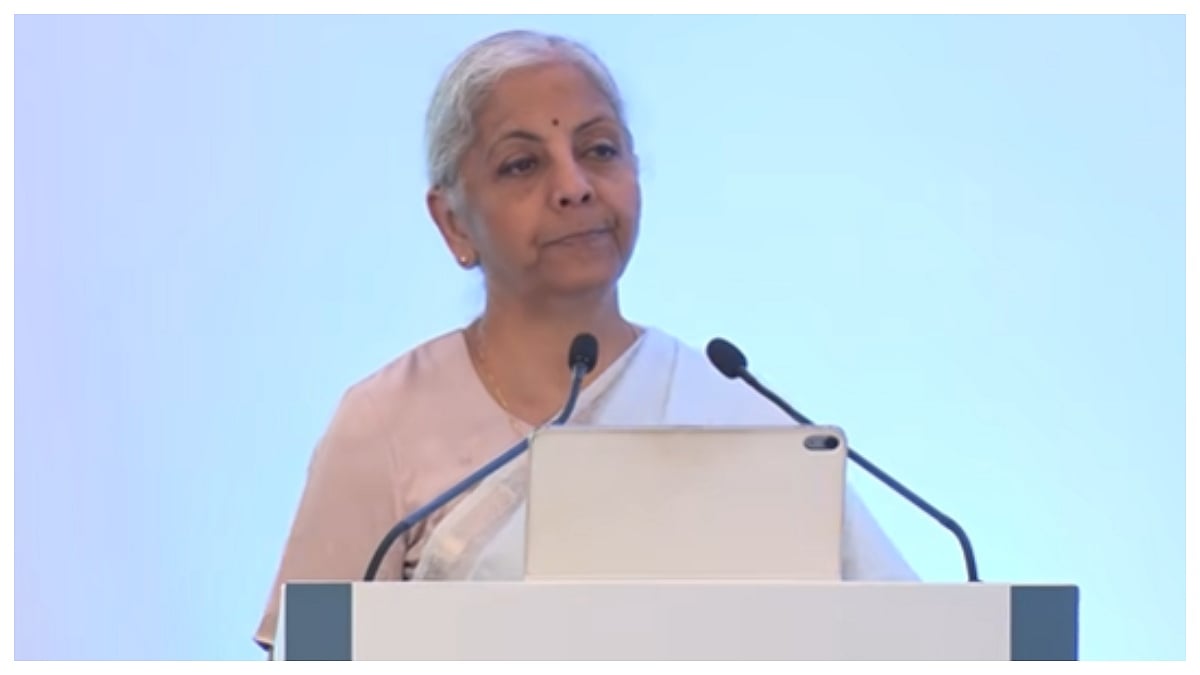
Finance Minister Nirmala Sitharaman confirms investor discussions on STT and LTCG taxes but announces no relief. |
Mumbai: Finance Minister Nirmala Sitharaman has revealed that discussions have taken place with investors regarding Securities Transaction Tax (STT) and Long-Term Capital Gains (LTCG) tax, drawing attention across India's stock markets.
Speaking at the Bloomberg New Economy Forum, Sitharaman described these discussions as healthy and appropriate. However, she made no announcement regarding any reduction, removal or revision of existing tax rates.
What Did The Finance Minister Say?
Sitharaman said the government had previously attempted to bring different investment categories onto a more comparable taxation framework.
She explained that changes introduced two years ago were intended to create greater consistency rather than simply increase taxes.
However, her latest remarks should not be interpreted as confirmation of any upcoming tax relief.
What Is The Difference Between STT And LTCG?
STT applies to specified securities transactions, including certain purchases and sales of shares and derivatives.
LTCG tax, meanwhile, applies to profits earned from selling investments held beyond the prescribed holding period.
While STT is linked to transaction value, LTCG taxation depends on eligible capital gains.
How Much STT Do Equity Investors Pay?
For delivery-based equity transactions, buyers pay 0.10 per cent STT on purchases, while sellers pay 0.10 per cent on sales.
Purchasing shares worth Rs 1 lakh attracts Rs 100 STT. Selling shares for the same amount attracts another Rs 100.
For intraday equity transactions, sellers pay 0.025 per cent STT. A sale worth Rs 1 lakh therefore attracts Rs 25.
What About Futures And Options?
According to the rates cited, STT on futures sales increased from 0.0125 per cent to 0.05 per cent.
A futures sale worth Rs 10 lakh consequently attracts Rs 500, compared with Rs 125 earlier.
ALSO READ
For options sales, STT increased from 0.0625 per cent to 0.15 percent of the premium.
On a premium of Rs 1 lakh, the tax rises from Rs 62.50 to Rs 150.
For exercised options, the stated rate increased from 0.125 per cent to 0.15 per cent of intrinsic value.
What Did Sitharaman Say About The Rupee?
Sitharaman acknowledged rupee weakness and said the Reserve Bank of India was taking measures to limit excessive currency volatility.
She indicated that depreciation could affect foreign investors' dollar-denominated returns and influence investment decisions.
What Should Investors Watch?
Investors should distinguish discussions from actual policy decisions.
Trading costs, brokerage charges and applicable capital gains taxes affect net investment returns.
Any future STT or LTCG changes would require official confirmation, including revised rates and implementation dates.
RECENT STORIES
-
-
-
-
-