South Korea Stocks Tumble As Chip Selloff Triggers Trading Halt Amid AI Demand Concerns
South Korea’s Korea Composite Stock Price Index (KOSPI) plunged over 8% as heavy selling in Samsung Electronics and SK Hynix reflected weakening sentiment around AI-driven chip demand. Foreign investors offloaded $1.7 billion, prompting a trading halt. Concerns over pricing pressure, demand uncertainty and AI trade volatility intensified market swings after recent gains

File
South Korean equities witnessed a sharp decline as renewed selling in semiconductor stocks underscored growing sensitivity to fluctuations in global artificial intelligence-related sentiment.
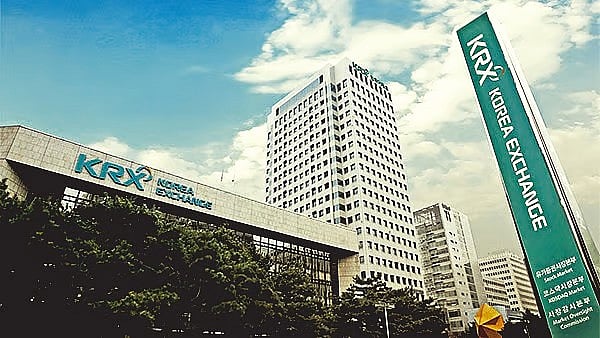
The benchmark Korea Composite Stock Price Index (KOSPI) fell as much as 8.2% on Friday, wiping out gains from the previous trading session and forcing the Korea Exchange to impose a temporary 20-minute trading suspension.
This marks the second circuit breaker triggered within the same week, highlighting heightened volatility in the market.
Leading chipmakers Samsung Electronics Co. and SK Hynix Inc. were at the centre of the selloff, with both stocks declining by more than 9%.
The sharp fall in these heavyweight stocks significantly dragged the broader index lower, given their dominant weight in the KOSPI.
Foreign investors were major sellers, offloading approximately 2.7 trillion won (about $1.7 billion) worth of KOSPI shares during the morning session alone.
The downturn comes just a day after strong gains on Thursday, when optimism around the AI sector was lifted by Micron Technology Inc.’s upbeat forecast and SK Hynix’s planned US listing.
However, sentiment quickly reversed as investors reassessed near-term risks in the semiconductor cycle.
Concerns grew further after reports of Apple Inc. raising product prices due to memory chip shortages, raising doubts about demand sustainability.
ALSO READ
Additional uncertainty emerged from speculation that OpenAI may delay its initial public offering until next year, adding to volatility in AI-linked tech stocks.
Market analysts noted that rising input costs and uncertain demand could pressure profitability in the memory chip sector.
Adding to market movement, reports suggest that Samsung Electronics and SK Hynix are preparing large-scale investment announcements worth hundreds of billions of dollars, expected to be revealed on Monday.
The KOSPI has been highly volatile throughout the year, heavily influenced by the performance of its two largest constituents, which together account for nearly 60% of the index.
Analysts say this concentration, combined with leveraged exchange-traded funds tracking these stocks, has amplified intraday swings, in some cases resembling meme-stock-like trading behaviour.
RECENT STORIES
-
-
-
-
-