Rupee Crashes To ₹90.43 Against The Dollar, Families Fear What The Next Wave Of Costs Will Bring?
The rupee’s fall below Rs 90 marks a major shift in India’s economy, leading to costlier fuel, education, travel, and everyday essentials. The drop is driven by weak trade talks, investor exits, and high oil prices. While exporters and remittance receivers gain slightly, most Indian households are feeling the financial strain.

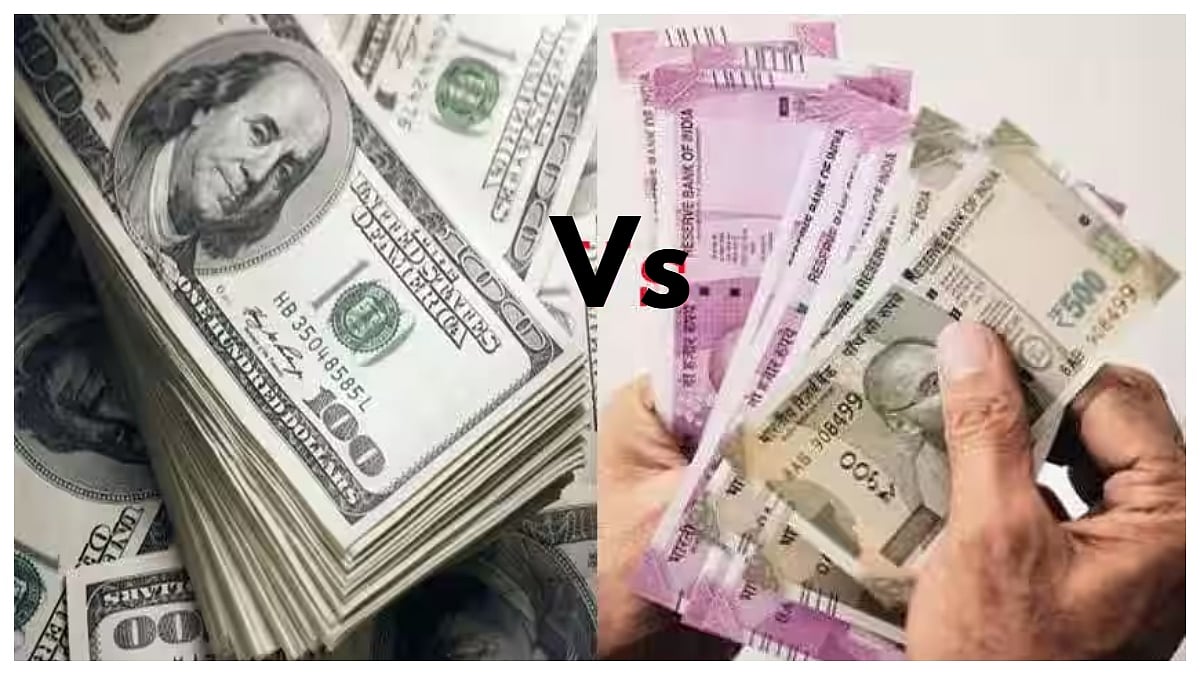
Rupee Falls to a Historic Low. |
Mumbai: India has entered a new economic phase as the rupee fell below Rs 90 per US dollar. The drop from the previous day may seem small, but this milestone is meaningful. It changes how global investors see India and how Indian families experience daily life. A weaker rupee makes everything imported more expensive, from fuel to foreign education, and signals that the economy is under pressure.
Why the Rupee Is Falling
The slide is the result of several problems coming together at once. Trade talks between India and the US recently failed, and new American tariffs—some rising by as much as 50 percent-have hurt India’s export confidence. At the same time, foreign investors have withdrawn nearly USD 17 billion from Indian stock markets in 2025, putting more pressure on the currency.
Rising global oil prices and higher demand for US dollars have added to the stress. As a result, Bloomberg has called the rupee 'Asia’s worst-performing currency this year.'
The RBI is not stepping in aggressively. With large reserves, it can act if needed, but for now it is allowing the rupee to move gradually rather than defending it sharply.
ALSO READ
How Households Are Feeling the Pain
The fall of the rupee may sound technical, but its effects are felt inside Indian homes. India imports most of its crude oil, cooking oil, fertilizers, and electronics. As the rupee weakens, all these become costlier. Families are already paying more for petrol, LPG, and daily groceries.
Students studying abroad are hit even harder. Someone paying USD 50,000 a year in tuition now needs almost Rs 5 lakh more than they did two years ago. Education loans taken when the rupee was stronger have become costlier to repay. Even foreign vacations and small business costs are rising.
Who Gains and Who Doesn’t
Exporters like IT companies benefit because they earn in dollars, but many hedge their currency exposure, so the gains are limited. Pharma exporters see some advantage but face higher import costs. Textile exporters are hurt by new US tariffs. One bright spot is remittances: families receiving money from relatives abroad now get more rupees for every dollar sent.
What Comes Next
The fall past Rs 90 is more than a psychological mark. It shows that India’s economy is entering a period of adjustment. Policymakers hope that letting the rupee move freely will help in the long run.
RECENT STORIES
-
-
-
-
-