Retail Inflation Rises To 3.4% In March, Food Prices Push CPI Higher From February’s 3.21%
Retail inflation rose slightly to 3.4 percent in March from 3.21 percent in February, driven mainly by higher food prices. Food inflation also increased to 3.87 percent. Rural inflation remained higher than urban levels. Overall, inflation stayed within manageable levels, reflecting stable price conditions with mild upward pressure.

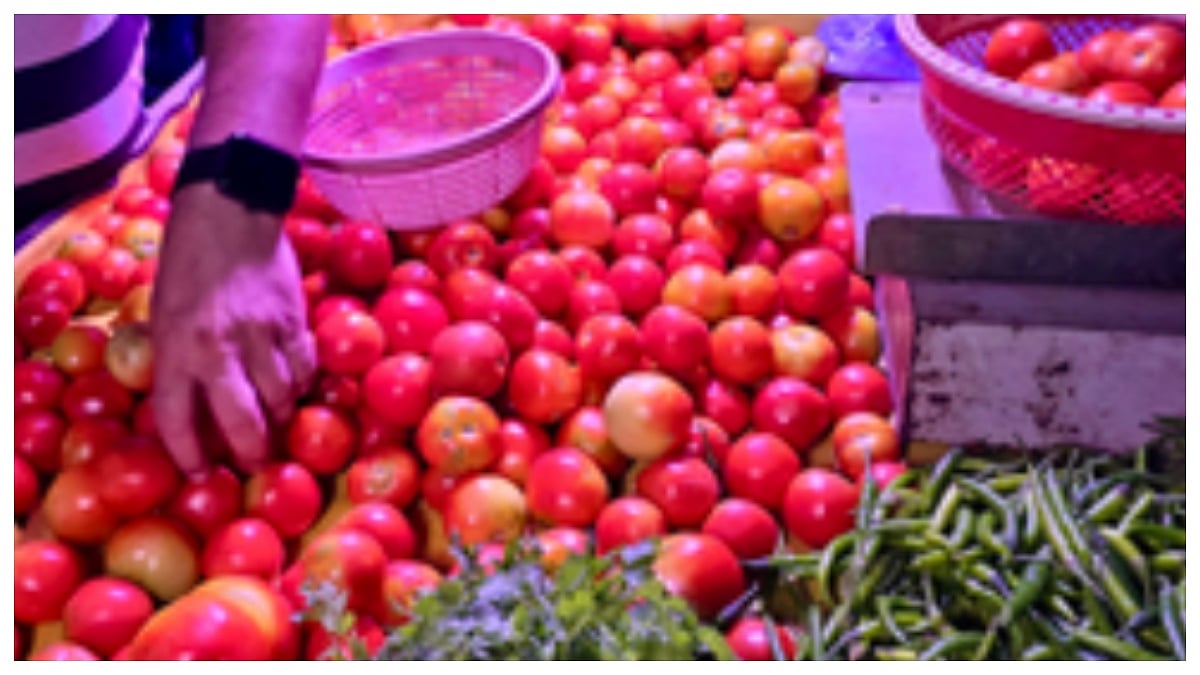
Retail inflation rose slightly to 3.4 percent in March from 3.21 percent in February, driven mainly by higher food prices. |
New Delhi: India’s retail inflation, based on the revised Consumer Price Index (CPI) with 2024 as the base year, rose slightly to 3.4 percent in March compared to the same month last year, according to data released by the Ministry of Statistics. The figure marks a mild increase from February’s 3.21 percent and January’s revised 2.74 percent, indicating a gradual uptick in price pressures.
Gold And Silver Drive Price Surge
Precious metals recorded the sharpest rise during the month. Silver jewellery prices surged by a massive 148.61 percent, while gold jewellery saw a steep increase of 45.92 percent. These categories emerged as the biggest contributors to inflation, reflecting strong global trends and rising demand.
Food Inflation Rises On Vegetable Prices
Food inflation stood at 3.87 percent in March, mainly due to higher prices of vegetables such as tomato and cauliflower. However, some relief came from falling prices of key staples. Onion, potato, and garlic recorded double-digit declines compared to last year. Pulses also became cheaper, with arhar (tur) dal prices dropping 9.56 percent and chickpea prices falling 7.87 percent.
RBI Outlook And Key Risks
The Reserve Bank of India has projected CPI inflation at 4.6 percent for 2026–27. Quarterly estimates stand at 4.0 percent in Q1, 4.4 percent in Q2, 5.2 percent in Q3, and 4.7 percent in Q4.
Sanjay Malhotra noted that rising global energy prices have pushed up costs of fuels such as premium petrol, LPG, and diesel used in industries. At the same time, a strong rabi crop is expected to support food supply and help control inflation in the near term.
Underlying Inflation Remains Stable
Core inflation, which excludes food and fuel, is projected at 4.4 percent for 2026–27. When precious metals are also excluded, inflation appears even lower, suggesting that underlying price pressures remain largely contained.
However, risks remain. Elevated crude oil prices due to the West Asia conflict and the possibility of El Nino affecting the monsoon could push inflation higher in the coming months.
RECENT STORIES
-
-
-
-
-