RBI Steps In As Rupee Nears Record Low, Know- What Are The New Forex Rules & How Will They Impact The Currency?
RBI tightens forex derivative rules, imposes a 20 percent reserve requirement and opens a special dollar window for oil firms as the rupee approaches its record low amid market pressure.

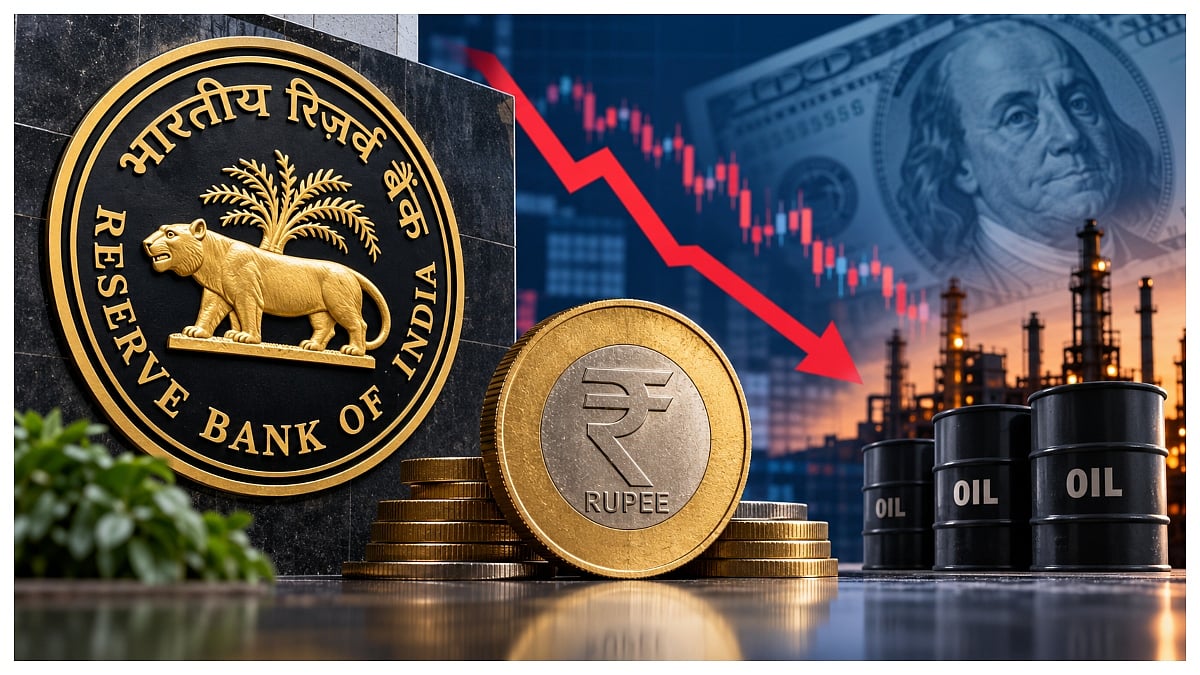
RBI tightens forex derivative rules, imposes a 20 percent reserve requirement. |
Mumbai: The Reserve Bank of India (RBI) has announced measures to support the rupee as the domestic currency faces pressure from foreign capital outflows, rising crude oil prices and strong dollar demand.
The central bank has tightened foreign exchange derivative rules and introduced a special dollar facility for state-owned oil marketing companies to reduce pressure on the currency market.
Rupee Nears Record Low
The rupee closed at 96.73 against the US dollar on Friday, approaching its record closing low of 96.82. The currency had touched an all-time intraday low of 96.96 in May.
The rupee has depreciated nearly 7 percent this year, making it one of Asia's worst-performing currencies.
The RBI said its latest measures aim to strengthen market discipline, improve risk management and maintain orderly foreign exchange trading.
Forex Rules Tightened
Under the revised framework, the RBI has imposed a 20 percent Foreign Exchange Risk Reserve (FERR) requirement on derivative transactions exceeding USD 2 million.
Authorised dealers must maintain cash equivalent to 20 percent of the rupee value of such transactions.
The central bank has also reduced the limit for forex derivative transactions without establishing underlying exposure from USD 100 million to USD 5 million.
Additionally, cancelled rupee derivative contracts cannot be rebooked, although rollovers at maturity remain permitted under existing regulations.
Special Dollar Window For Oil Firms
The RBI has introduced a special facility to meet dollar requirements of Indian Oil Corporation, Bharat Petroleum Corporation and Hindustan Petroleum Corporation.
Effective October 12, the facility allows the central bank to supply dollars through designated banks, reducing demand in the open forex market.
The arrangement will continue until further notice.
What Happens Next?
Bankers expect the measures to reduce speculative dollar demand and support the rupee when trading resumes on Monday.
However, the 20 percent reserve requirement could increase hedging costs for importers and put additional pressure on their working capital.
Forward premiums may also decline sharply as demand for dollar hedging weakens.
The sustainability of any rupee recovery will depend on crude oil prices, foreign investment flows and global currency movements.
RECENT STORIES
-
-
-
-
-