RBI May Hold Rates Steady Amid Global Uncertainty, War Impact, Rising Rupee Pressure and Oil Above $100 Shape Policy View
RBI is likely to keep interest rates unchanged in the April MPC meeting due to global uncertainty from the West Asia war. Rising oil prices, weak rupee, and inflation risks remain key concerns, though government measures may offer some relief. The central bank is expected to focus on stability and liquidity management.

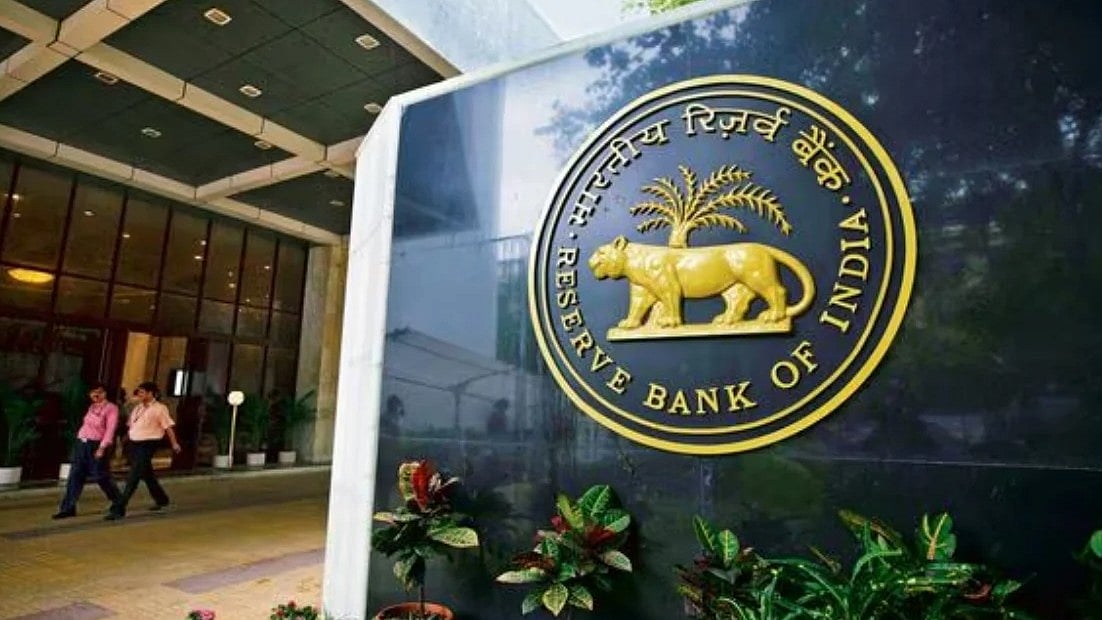
RBI is likely to keep interest rates unchanged in the April MPC meeting due to global uncertainty from the West Asia war. | Representational Image
Mumbai: The Reserve Bank of India is expected to keep interest rates unchanged in its upcoming Monetary Policy Committee (MPC) meeting from April 6 to 8, according to a report by SBI Research.
This will be the first policy review after the ongoing conflict involving the US, Israel, and Iran. Due to global uncertainty, the central bank is likely to act carefully and avoid major changes for now.
Focus on Stability Measures
The report suggests that RBI may explore “Operation Twist.” This is a tool used to manage bond yields. It pushes up short-term yields while keeping long-term yields stable. This helps control interest rates in the market without changing the main policy rate.
Such steps can help maintain balance in the financial system and manage pressures on the balance of payments.
War Impact Raises Concerns
The situation in West Asia has disrupted global markets. The partial closure of the Strait of Hormuz has led to a major oil supply shock, said the International Energy Agency.
Crude oil prices are now above $100 per barrel. This is increasing costs for countries like India that import oil.
At the same time, the Indian rupee has weakened and is trading above 93 against the US dollar. A weaker rupee makes imports more expensive, adding to inflation.
Inflation Pressures Building
Soumya Kanti Ghosh warned that rising oil prices and a possible 'Super El Nino' could push inflation higher.
The report expects inflation to stay above 4.5% for the next three quarters. However, inflation for FY27 is still expected to remain within RBI’s target range.
Government Steps May Offer Relief
The government has removed customs duty on key petrochemical products until June 30, 2026. This move may help reduce input costs and control imported inflation.
RBI has also taken steps to reduce speculation in currency markets, both in India and offshore. However, some of these rules may create operational challenges for banks.
Overall, RBI is likely to focus on managing liquidity and supporting the rupee during this uncertain period.
RECENT STORIES
-
-
-
-
-