Qatar Set To Become The Biggest US LNG Buyer After Long-Term Supply Deals
Qatar is securing long-term liquefied natural gas supplies from US producers to reduce exposure to geopolitical disruptions in the Gulf. QatarEnergy's agreements with Woodside Energy and Cheniere Energy could make it the largest buyer of American LNG, highlighting growing concerns over the Strait of Hormuz and global energy security

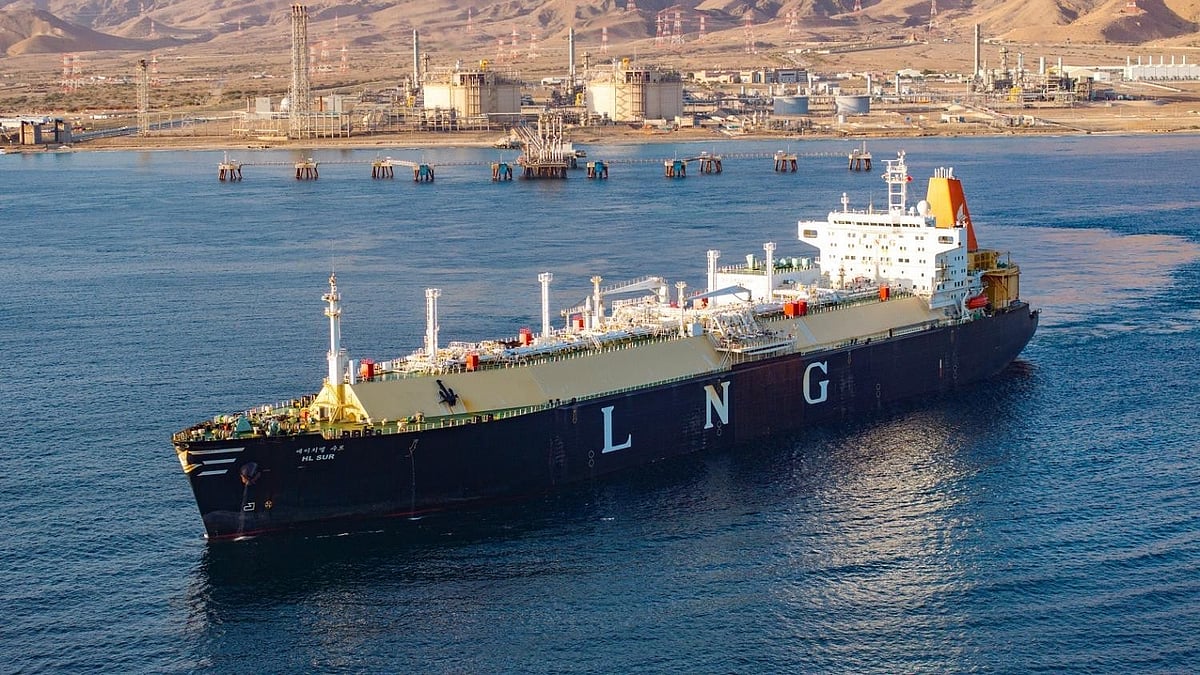
Representational Image
Qatar is turning to American liquefied natural gas (LNG) suppliers to protect its energy trading operations from geopolitical risks in the Gulf, particularly potential disruptions around the Strait of Hormuz.
The world's second-largest LNG exporter has signed long-term agreements with US producers, marking a shift in its international energy strategy.
QatarEnergy recently agreed to purchase 3 million metric tonnes annually from Woodside Energy's Louisiana facilities under a 20-year contract.
The agreement follows earlier deals with Cheniere Energy for up to 4 million tonnes annually from its Sabine Pass and Corpus Christi projects through 2054.
Deliveries are expected to begin in 2030 and 2031, with the combined contracts making Qatar the largest buyer of US LNG.
Qatar Seeks Energy Security Amid Strait Of Hormuz Risks
QatarEnergy chief executive Saad al-Kaabi has indicated that further international supply agreements could be signed this year.
The company had already invested in LNG projects across North America and Africa before the US-Iran war began on Feb 28.
However, the conflict has reinforced the importance of securing supplies outside the Gulf.
Rapidan Energy Group President Bob McNally, a former White House energy adviser, recalled earlier American concerns about becoming dependent on Qatari LNG.
The shale revolution has since transformed that relationship, with Qatar now purchasing American gas.
US And Qatar Lead Global LNG Capacity Expansion
The International Energy Agency estimates that approximately 300 billion cubic metres of additional LNG export capacity will become available between 2025 and 2030, expanding global capacity by around 50%.
The US is expected to contribute more than half of this increase, while Qatar could account for roughly one-quarter.
Qatar retains a production-cost advantage, with LNG costs estimated at $3 to $5 per million British thermal units, approximately half those of many American projects.
However, US exports avoid the Strait of Hormuz, offering greater protection against disruptions in the Gulf.
As global LNG supplies expand, competition between the two exporters is expected to intensify.
The Iran conflict has also highlighted how supply security, alongside price, is influencing long-term energy purchasing decisions.
RECENT STORIES
-
-
-
-
-