Preserve And Reform The WTO For Free And Fair Air Global Trade
India calls for urgent WTO reforms to protect fair global trade, restore dispute settlement, safeguard developing nations and strengthen a rules-based multilateral trading system.

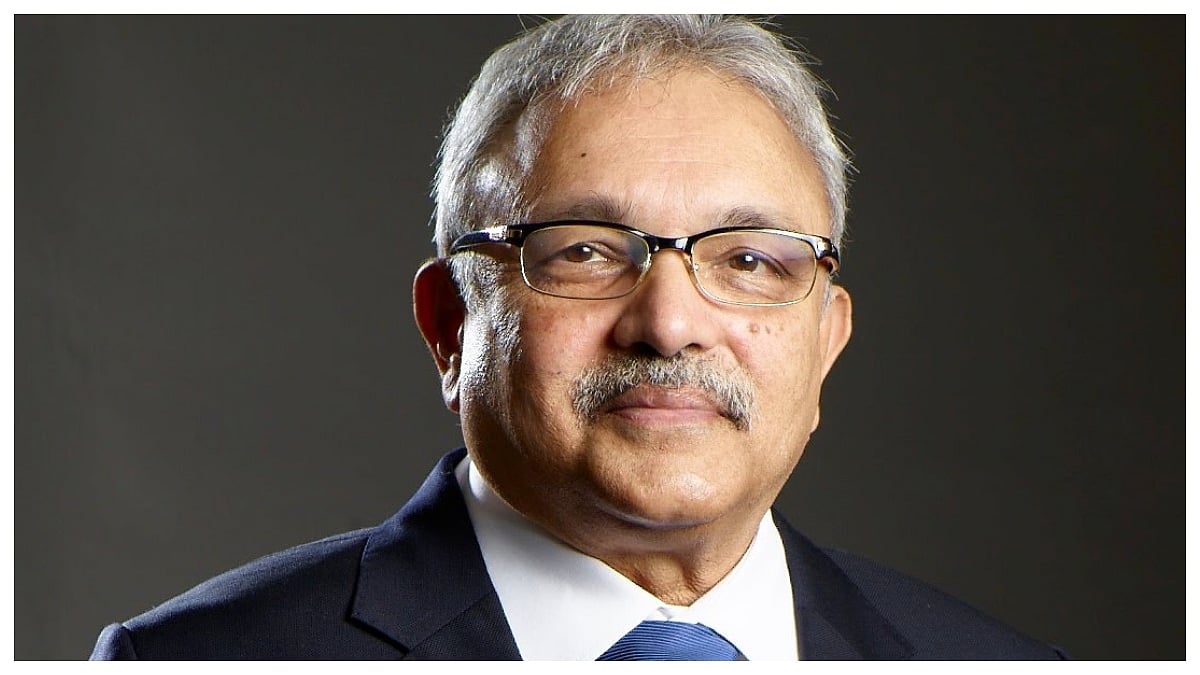
Dr. Ram Gandhi, Businessman, Past President and Governor, IMC. |
India calls for urgent WTO reforms to protect fair global trade, restore dispute settlement, safeguard developing nations and strengthen a rules-based multilateral trading system.
WTO Reforms, India Trade Policy, Global Trade
In view of the current state of the global trading system, there is an urgent need to preserve and reform the World Trade Organization (WTO) to ensure that the multilateral trading system remains free, fair, and inclusive.
The global trading environment is witnessing increasing fragmentation due to rising protectionism, unilateral trade measures, industrial subsidies, regional trade blocs, and climate-linked trade barriers. At the same time, the dispute settlement mechanism of the WTO has weakened due to the continued impasse regarding the Appellate Body. These developments risk shifting global trade from a rules-based system to a power-based system, which would be detrimental, particularly to developing countries such as India.
The WTO has played a critical role in providing stability, predictability and transparency in global trade and has enabled developing countries to participate in global trade under a rules-based framework. It is therefore in India’s strategic and economic interest to support efforts aimed at preserving and strengthening the WTO through balanced and consensus-based reforms.
ALSO READ
During the G20 Trade Ministers’ Meeting in Milwaukee (30th September 2026 to 1st October 2026), the Minister of Commerce and Industry of India, Shri Piyush Goyal, reinforced the case for preserving a rules-based multilateral trading system. He called for trade distortions to be addressed through WTO-consistent instruments, including evidence-based anti-dumping and countervailing duties subject to judicial review, and cautioned against using supply-chain diversification as a pretext to bypass WTO rules or shift the burden of adjustment onto developing countries.
One of the most important declarations at the BRICS Summit in New Delhi (12th - 13th September 2026) was reaffirmation of unwavering support for reforming the World Trade Organization and strengthening an open, equitable, transparent, non-discriminatory and predictable rules-based multilateral trading system, with the WTO at its core. It emphasised that reforms must uphold foundational principles, including most-favoured-nation treatment and special and differential treatment for developing members, particularly least-developed countries. This position reinforces the need to strengthen the WTO while preserving the development safeguards essential to ensuring that countries at different stages of economic development can participate fairly in global trade.
In this context, India may consider advocating the following broad reform priorities at the WTO:
1. Restoration of a credible and time-bound dispute settlement mechanism with necessary procedural reforms.
2. Making the WTO more development-oriented by strengthening Special and Differential Treatment provisions and ensuring a permanent solution for public stockholding for food security.
3. Reform in agriculture subsidy rules to address existing imbalances and provide policy space for developing countries.
4. Development of new disciplines on industrial subsidies while allowing policy space for development-oriented subsidies.
5. Creation of multilateral frameworks to regulate unilateral trade measures taken on national security or environmental grounds.
6. Ensuring that plurilateral agreements remain inclusive and within the multilateral framework of the WTO.
7. Strengthening institutional capacity and decision-making processes within the WTO.
In addition to the above reform priorities, India may consider adopting a proactive strategy to help achieve these reforms.
ALSO READ
First, India could play a coalition-building role by working closely with groups such as the G-33, African Group, ASEAN countries, and other developing nations to build a common negotiating platform on agriculture, food security and Special and Differential Treatment.
Second, India could work with major economies such as the European Union, Japan, and other like-minded countries on restoring the dispute settlement mechanism by supporting reasonable procedural reforms while preserving the binding nature of dispute settlement. Instead of opposing the U.S. position outright, India could support reasonable procedural reforms such as strict timelines for decisions, clearer limits on the interpretative role of the Appellate Body, and guidelines that the Appellate Body should not create new obligations. This would help address U.S. concerns while ensuring restoration of the system.
Third, India could propose a balanced framework on industrial subsidies that distinguishes between trade-distorting subsidies and development-oriented subsidies, thereby positioning itself as a bridge between developed and developing countries.
Fourth, on new issues such as investment facilitation, digital trade, and climate-related trade measures, India could adopt a constructive engagement approach by shaping rules that preserve policy space while facilitating trade and investment flows.
Fifth, India could advocate institutional reforms within the WTO, including time-bound negotiations, greater transparency and strengthened research and analytical capacity of the WTO Secretariat.
With its BRICS Presidency, India is uniquely positioned to act as a bridge between developed and developing countries and can play a leadership role in building consensus for WTO reforms that are fair, balanced, and development-oriented.
A strong and reformed WTO is essential not only for global trade but also for global economic stability and predictability. A rules-based multilateral trading system remains the best guarantee that global trade will be governed by rules rather than by economic power.
- (Authored by Dr. Ram Gandhi, Businessman, Past President and Governor, IMC)
RECENT STORIES
-
-
-
-
-