Pakistan Faces Rising Economic Pressure As Poverty Jumps To 28.9%, Unemployment Hits 7.1%
Pakistan’s poverty rate rose to 28.9% in FY26 from 21.9%, while unemployment increased to 7.1%, with 5.9 million people now jobless, according to the Economic Survey of Pakistan 2025-26. Poverty worsened across provinces, with Balochistan remaining the poorest. The report called for stronger job creation, skill development and economic growth beyond welfare programmes.

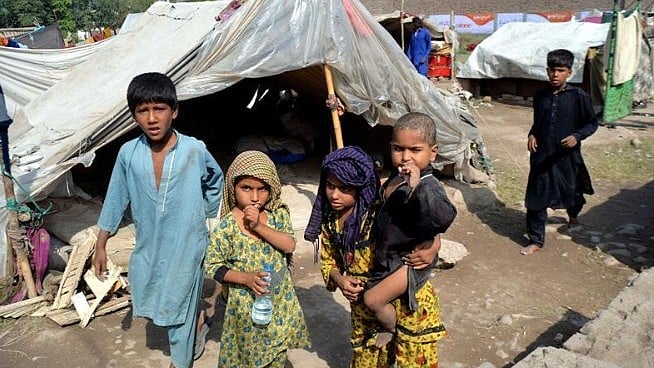
Pakistan Faces Rising Economic Pressure As Poverty Jumps To 28.9%, Unemployment Hits 7.1% | IANS
New Delhi, Sep 9: Pakistan's poverty rate rose sharply in fiscal year 2026, while unemployment also increased by 12.69 pc, underscoring mounting economic pressures on households despite expanded social welfare spending, a report has said.
Poverty rate rises sharply
According to a report by The Friday Times -- citing the Economic Survey of Pakistan 2025-26 -- the national poverty rate increased to 28.9 per cent in FY26 from 21.9 per cent a year earlier.
It further highlighted that provincial estimates indicated poverty worsened across all major regions.
In Pakistan’s Punjab, the poverty rate rose to 23.3 per cent from 16.5 per cent, while Sindh recorded an increase to 32.6 per cent from 24.5 per cent.
In Khyber Pakhtunkhwa, poverty climbed to 35.3 per cent from 28.7 per cent, while Balochistan remained the country's poorest province with the rate rising to 47 per cent from 41.8 per cent.
ALSO READ
Unemployment pressures increase
According to the report, the number of unemployed people increased to 5.9 million from 4.5 million, while the unemployment rate rose to 7.1 per cent, up 12.69 per cent from 6.3 per cent.
The findings point to continued challenges in generating employment opportunities and increasing household incomes amid broader economic pressures.
Social welfare spending expanded
In addition, Pakistan allocated Rs 722.9 billion (Pakistani rupee) to the Benazir Income Support Programme (BISP), the country's flagship social protection initiative in FY26.
Of that amount, Rs 540.27 billion had been released, the report said.
BISP provides cash assistance to low-income households and remains the largest component of Pakistan's social safety net system.
Also Watch:
Call for broader economic reforms
The report said sustained poverty reduction will require stronger job creation, investment in education and skills development, improvements in healthcare access and broader economic growth beyond direct cash-transfer programmes.
“Rural industrialisation and small enterprises are crucial factors for sustainable employment and income opportunities,” it said.
“Employable skills and entrepreneurial skills should be integrated with degree-awarding institutions to better align educational with labour market needs to reduce long-term dependence on welfare,” it added.
(Except for the headline, this article has not been edited by FPJ's editorial team and is auto-generated from an agency feed.)
RECENT STORIES
-
-
-
-
-