Homebuyers Cannot Hold Landowners Responsible For Builder Failures, Rules Supreme Court
The Supreme Court ruled that landowners are not liable for construction delays caused by developers in Joint Development Agreements, even if they granted power of attorney, provided the contract specifically assigns all building responsibilities and liabilities to the developer alone

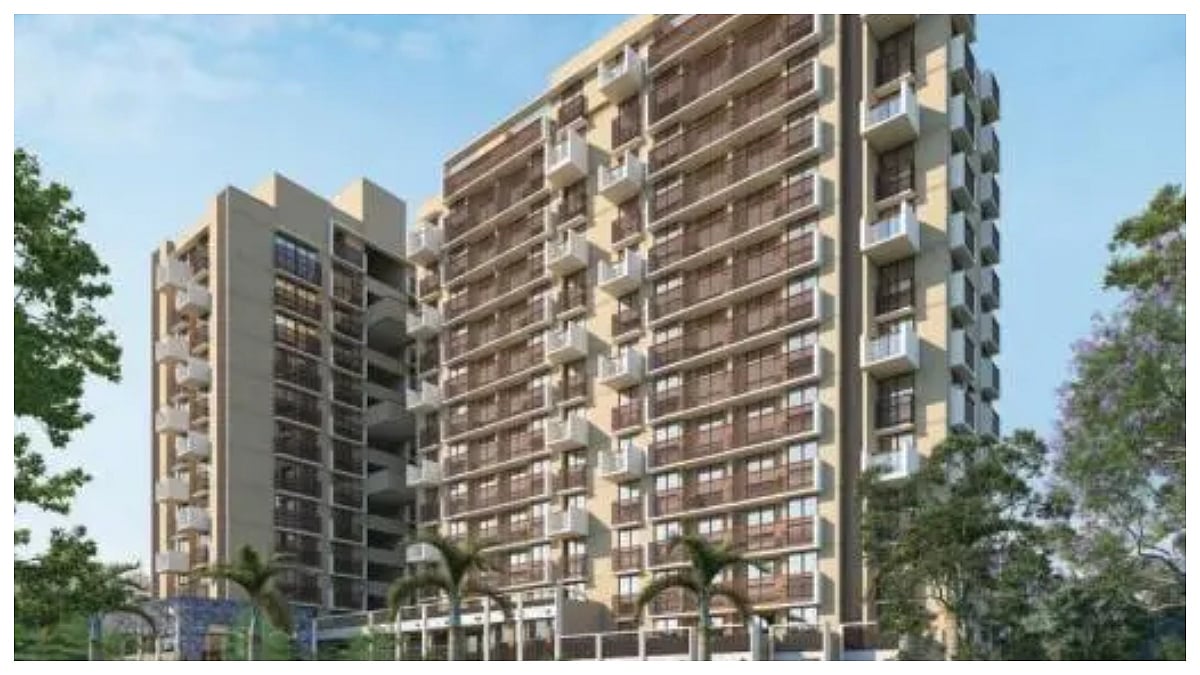
Granting a developer the power to obtain sanctions and manage sales does not automatically transfer the burden of construction failures to the owner of the land |
The Supreme Court on Monday clarified that landowners cannot be held accountable for construction delays solely because they authorised a developer to build and sell units on their property.
According to LiveLaw, in a judgment delivered by a bench comprising Justices PS Narasimha and Alok Aradhe, the apex court dismissed an appeal from a homebuyer, thereby upholding a National Consumer Disputes Redressal Commission (NCDRC) ruling. This decision reinforces the principle that granting a developer the power to obtain sanctions and manage sales does not automatically transfer the burden of construction failures to the owner of the land.
2012 joint development dispute
The legal battle originated from a 2012 Joint Development Agreement (JDA) and a corresponding General Power of Attorney (GPA) between landowners and Unishire Homes. While the developer was tasked with the entire lifecycle of the project—from securing permits to final construction—the project stalled for over six years. Although the NCDRC initially ordered the developer to pay interest and provide possession, it specifically cleared the landowners of any wrongdoing, noting that the physical construction was never their contractual obligation.
Rejection of vicarious liability
In their appeal to the Supreme Court under the Consumer Protection Act of 2019, the homebuyers argued that the landowners should be held vicariously liable for the developer's "deficiency in service" because the developer acted as their agent. However, Justice Aradhe’s judgment rejected this theory by pointing to the specific terms of the JDA. The Court found that because the agreement clearly separated the roles of the two parties and protected the landowners from construction-related mishaps, the owners could not be blamed for a process they did not control.
Final judicial reasoning
The Supreme Court concluded that since the landowners were entirely removed from the construction process, they could not be penalised for lapses in a service they were not providing. A significant factor in this decision was an indemnity clause where the developer took full responsibility for any omissions in the building process.
Ultimately, the apex court held that the delay in delivering possession only concerned the units belonging to the developer’s share, leading to the final dismissal of the homebuyers' appeal.
Published on: Monday, February 23, 2026, 04:38 PM ISTRECENT STORIES
-
-
-
-
-