Higher Fuel Prices Raise Inflation Risks, Petrol & Diesel Up ₹7.5/Litre Since May 15 May Push CPI Higher
Rising petrol and diesel prices are expected to increase inflation in India by raising transport and manufacturing costs. Crisil estimates fuel price hikes could add up to 48 basis points to CPI inflation. Food, consumer goods and industrial sectors may face higher costs if crude oil prices remain elevated.

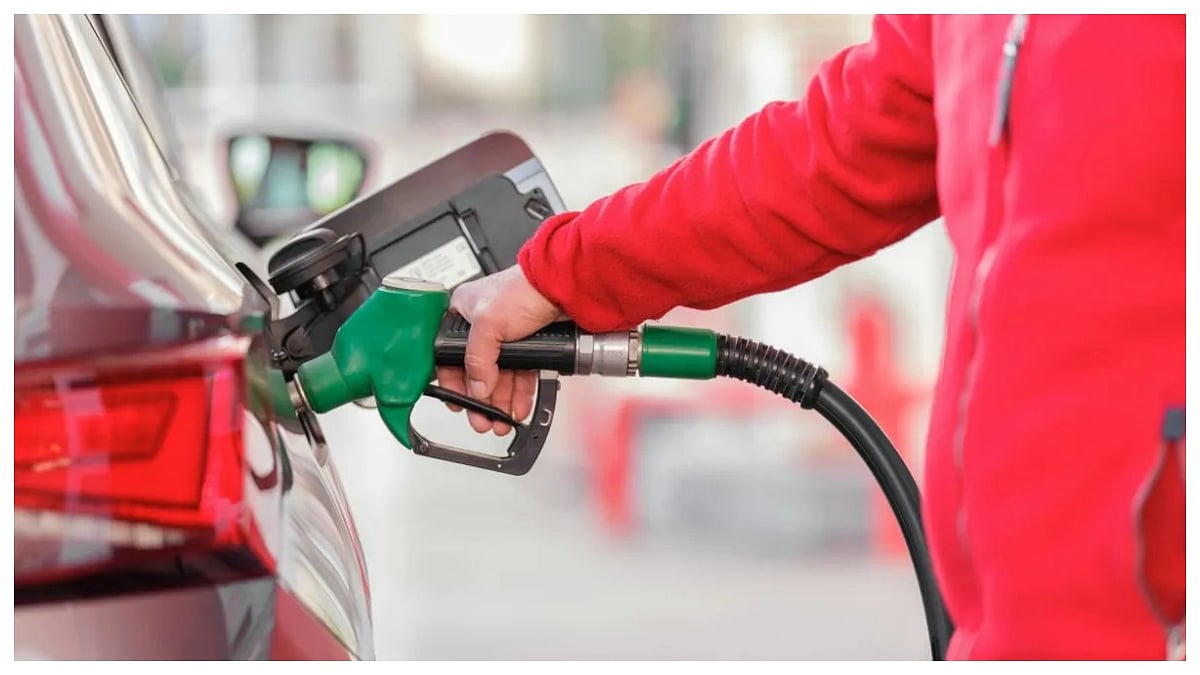
Fuel Price Rise May Add To Inflation. | Representational Image
New Delhi: India could face fresh inflation pressures as petrol and diesel prices continue to rise. According to Crisil, higher fuel prices are likely to increase transportation and production costs, which may eventually lead to higher prices for consumers.
Petrol and diesel prices have already increased by around Rs 7.5 per litre since May 15. If global crude oil prices remain high, the total increase could reach nearly Rs 10 per litre in the coming weeks.
Direct Impact On Consumer Prices
Crisil estimates that the current fuel price increase could add about 36 basis points to Consumer Price Index (CPI) inflation. If fuel prices rise by Rs 10 per litre, the impact may increase to nearly 48 basis points.
ALSO READ
Although inflation remains below the Reserve Bank of India's 4% target, analysts expect it to move higher in the coming months.
Transport Costs To Rise
Higher fuel prices are expected to increase freight and logistics costs across the country. Road transport carries nearly 71 percent of India's freight, and fuel accounts for around 42 percent of operating expenses for transport operators.
As transport becomes more expensive, businesses may pass these additional costs on to customers through higher product prices.
ALSO READ
Food Items May Become Costlier
Food categories that depend heavily on transportation could see the biggest impact. These include dairy products, fruits, vegetables, pulses, spices, tea, coffee, eggs, meat and fish.
The fading of favourable base effects may further add to food inflation in the coming quarters.
Manufacturing Sector Also Under Pressure
Manufacturers are also facing rising costs due to expensive crude oil, petroleum products and natural gas. Industries such as clothing, consumer electronics, wood products, cement and ceramics may experience stronger cost pressures.
Chemical, coal and metal-related industries could also see higher input costs. To protect profit margins, companies may either raise prices or reduce product quantities, a strategy often called shrinkflation.
ALSO READ
RBI Watching Risks Closely
Crisil noted that GST cuts announced in September 2025 may help reduce some inflationary pressure, but they are unlikely to fully offset the impact of expensive fuel.
With crude oil averaging around USD 112 per barrel so far this fiscal year, the RBI is expected to closely monitor inflation trends, household expectations, monsoon performance and possible El Nino-related risks to food prices.
RECENT STORIES
-
-
-
-
-