GST Reforms 2026 CBIC Announces 'Trust First, Verify Later' Approach, Faster Refunds, ₹5 Crore Prosecution Threshold & MSME Relief
CBIC Chairman Vivek Chaturvedi said India's GST regime is shifting towards a 'Trust First, Verify Later' approach. Proposed reforms include raising the prosecution threshold from Rs 2 crore to Rs 5 crore, faster automated refunds, fewer routine goods checks and simplified MSME compliance. Nearly 90% of low-risk refund claims are now processed automatically, he said at a PHDCCI conference.

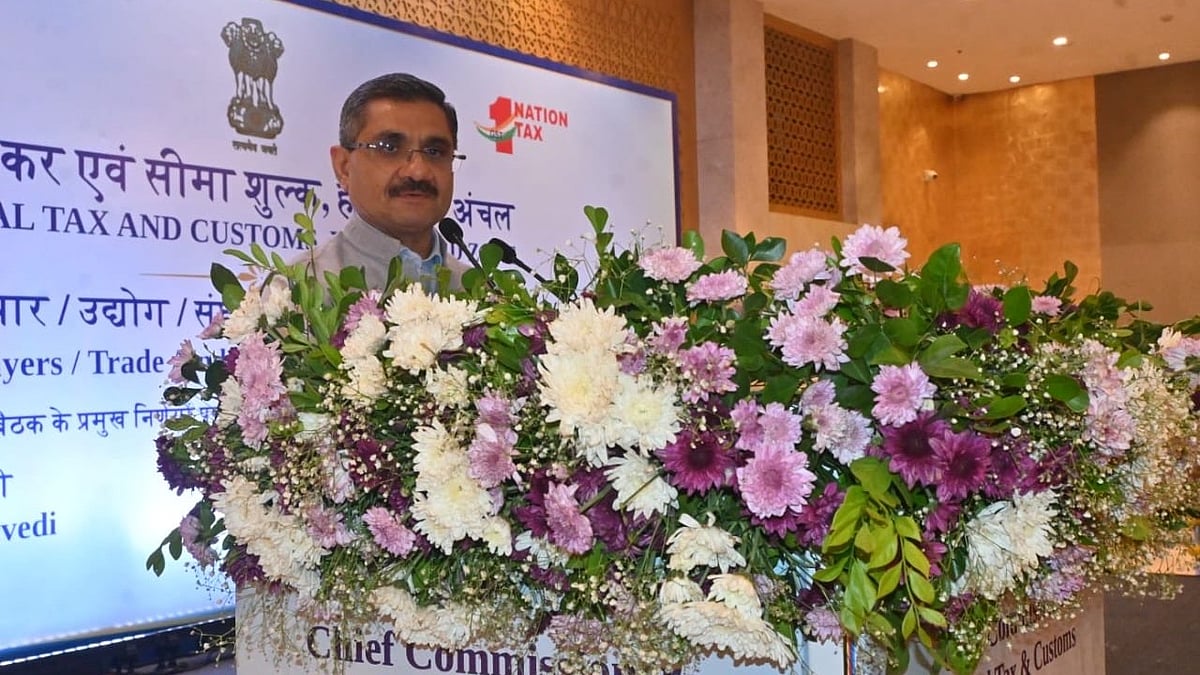
GST Reforms 2026 CBIC Announces 'Trust First, Verify Later' Approach, Faster Refunds, ₹5 Crore Prosecution Threshold & MSME Relief | X - cbic_india
New Delhi, Nov 18: The Goods and Services Tax (GST) regime is moving towards a ‘Trust First, Verify Later’ framework that places compliant taxpayers at the centre of tax administration, CBIC Chairman Vivek Chaturvedi said on Wednesday and outlined a series of reforms to simplify compliance and reduce enforcement-related friction.
Addressing a conference organised by the PHD Chamber of Commerce and Industry (PHDCCI) on GST process reforms and the outcomes of the 57th GST Council meeting, Chaturvedi said the Council’s recommendations of October 8 reflected a shift towards trust-based governance and recognised honest taxpayers as partners in nation-building.
“GST, founded on the vision of ‘One Nation, One Tax, One Market’, has emerged as a landmark reform contributing to Viksit Bharat 2047,” he said.
Three Key Priorities Driving GST Reforms
The CBIC Chairman also identified three key priorities -- rate rationalisation, ease of compliance through automation & faster refunds and a governance framework based on trust and reduced regulatory intervention -- which are driving the next phase of GST reforms.
The CBIC chief also pointed to the increase in the threshold for prosecution from Rs 2 crore to Rs 5 crore and the rationalisation of offences under Section 130 of the Act.
ALSO READ
Faster Refunds And Expanded Tax Credits
On refunds, he said nearly 90 per cent of low-risk refund claims are now being processed automatically.
In addition, the Council has also proposed expanding input tax credit (ITC) refund provisions to input services under the inverted duty structure and for capital goods used in zero-rated supplies, while rolling out phased automation of export-related refunds.
Intelligence-Based Checks For Goods In Transit
Chaturvedi also announced that routine interception of goods in transit would be discontinued with checks restricted to intelligence-based cases approved at the Joint Commissioner level.
Also Watch:
Simplified Compliance Measures For MSMEs
For micro, small and medium enterprises (MSMEs), the proposed reforms include simplified registration procedures, permission for eligible suppliers to use e-commerce warehouses as principal places of business, quarterly tax payments with an optional annual return for firms with turnover up to Rs 5 crore and conditional late fee relief.
However, the draft framework will be released for stakeholder consultation.
Industry Calls For Lower Business Costs
Meanwhile, PHDCCI Chief Executive Officer and Secretary General Ranjeet Mehta said GST’s success should be measured not only by revenue collections but also by its ability to simplify procedures, lower business costs and facilitate economic activity.
Level up your brain the fun way. Play daily games and quizzes on FPJ Smart!
(Except for the headline, this article has not been edited by FPJ's editorial team and is auto-generated from an agency feed.)
RECENT STORIES
-
-
-
-
-