Government Revises Natural Gas Allocation Priority, LPG Production, CNG & Piped Cooking Gas Get Top Preference Amid West Asia Supply Disruptions
The government has revised the priority order for domestic natural gas allocation due to LNG supply disruptions linked to the West Asia conflict. LPG production, CNG and piped cooking gas will receive top priority, followed by fertiliser plants and industries. The move aims to ensure stable energy supply for households and essential sectors.

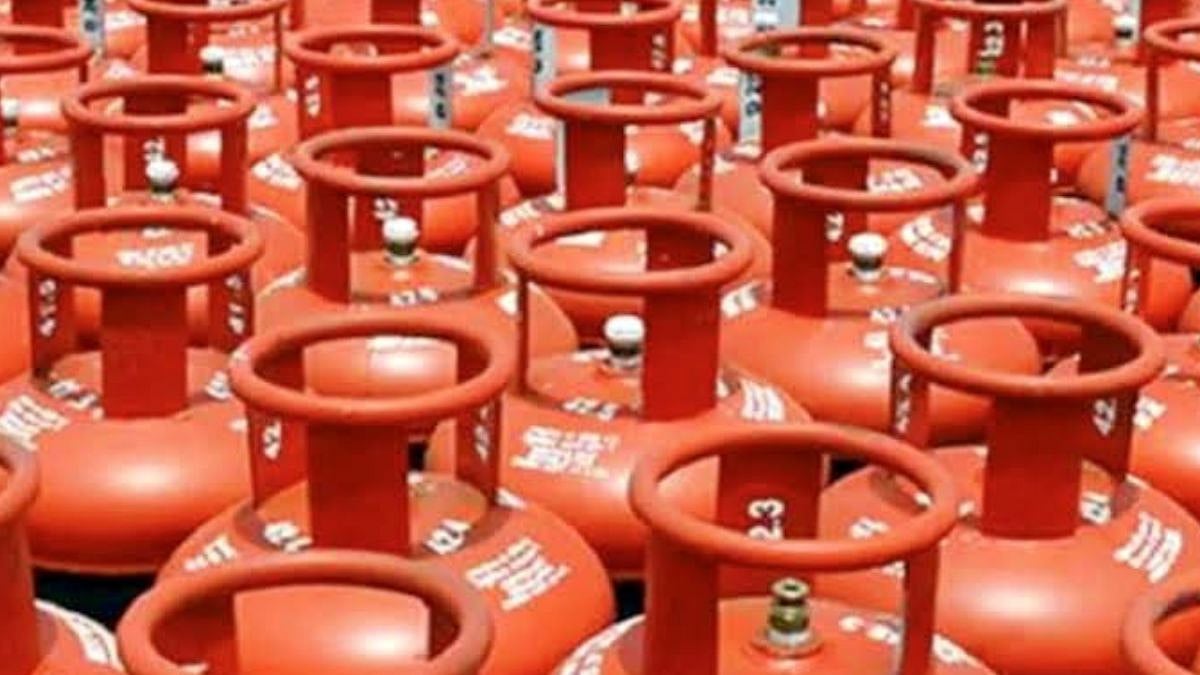
Government Changes Gas Allocation Rules. | Representational Image
New Delhi: The Indian government has revised the priority order for allocating domestically produced natural gas following disruptions in imported gas supplies caused by the ongoing conflict in West Asia.
Under the new rules, sectors related to household cooking gas and transportation fuel will receive the highest priority. LPG production, compressed natural gas (CNG) for vehicles and piped natural gas (PNG) used in homes for cooking will now receive the first share of available domestic gas.
The decision was announced through a gazette notification and aims to ensure that essential energy needs of households and public transport remain uninterrupted.
Priority for Household and Transport Needs
According to the notification, gas supply for domestic piped natural gas, CNG used in vehicles and LPG production will receive 100 percent of their average gas consumption over the past six months.
This means these sectors will get their full required supply before gas is allocated to other industries.
Gas required for pipeline compressors and other operational needs of gas pipelines will also receive priority since pipelines cannot function without adequate gas supply.
Fertiliser Sector Gets Second Priority
The fertiliser sector has been placed second in the allocation order. Fertiliser plants will receive at least 70 percent of their average gas consumption over the last six months.
The government has also clarified that fertiliser plants must use the allocated gas only for producing fertilisers and the supply cannot be transferred from one unit to another.
ALSO READ
Industrial Consumers at Third and Fourth Levels
Tea industries, manufacturing units and other industrial consumers have been placed in the third priority category. These sectors will receive around 80 percent of their past six-month average gas consumption, depending on operational availability.
City gas distribution companies supplying gas to industrial and commercial users through their networks have been placed at the fourth level of priority.
Supply Cuts for Some Sectors
To ensure gas supply to priority sectors, the government may reduce supply to certain industries. Petrochemical plants, high-pressure gas consumers and power plants may face supply cuts.
Refineries may also see gas allocation reduced to about 65 percent of their average consumption over the past six months.
ALSO READ
Impact of West Asia Conflict
The changes come as the ongoing conflict in the Middle East has disrupted liquefied natural gas (LNG) shipments passing through the Strait of Hormuz. This route handles a large portion of global LNG and oil trade.
The disruption has slowed tanker movement and increased shipping insurance costs, affecting energy markets worldwide.
GAIL to Manage Gas Distribution
State-run gas utility GAIL has been assigned the responsibility of managing gas supply under the revised priority order. The move aims to ensure fair distribution and availability of natural gas for critical sectors.
(With agency inputs)
RECENT STORIES
-
-
-
-
-