Google Says $15 Billion Visakhapatnam AI Data Centre Will Use Air Cooling Amid Water Scarcity Concerns
Google's $15 billion artificial intelligence project in Visakhapatnam will use air cooling to minimise freshwater consumption, a company executive said. The facility, expected to open in 2028, faces protests over water scarcity, land acquisition and environmental concerns. Google has also pledged clean energy investments and power infrastructure upgrades locally

Meta
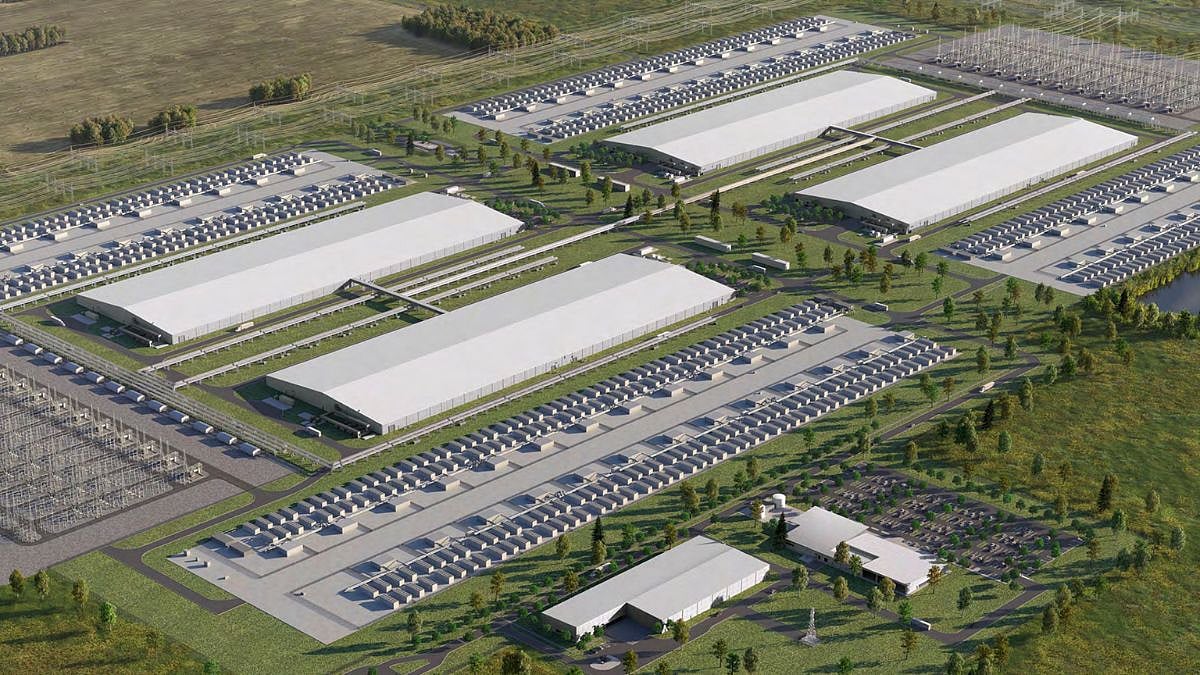
Google's $15 billion artificial intelligence (AI) data centre project in Visakhapatnam will adopt air-cooling technology instead of water-based systems to address concerns about freshwater availability.
Alexander Smith, Google's Head of Infrastructure and Energy for Asia-Pacific, told AFP that an assessment of the region's water resources influenced the decision.
The facility, under construction in Andhra Pradesh, is expected to become operational in 2028 and will be Google's largest AI hub outside the United States.
ALSO READ
Air Cooling To Reduce Water Consumption
Smith said Google evaluates environmental conditions, electricity availability, connectivity and access to skilled workers before selecting locations for major infrastructure projects.
The company conducts independent environmental assessments 12 to 24 months before construction, examining water risks, grid stability, ecological conditions and noise levels.
Its Visakhapatnam assessment identified pressure on the local watershed, prompting the selection of air cooling.
Google has also committed to replenishing 120% of the freshwater consumed across its operations by 2030, although the target covers non-cooling water requirements at the facility.
The company plans additional clean energy investments and will finance necessary electricity infrastructure upgrades.
Visakhapatnam's coastal location offers access to international submarine internet cables, potentially establishing Andhra Pradesh as India's third major subsea connectivity hub.
Smith said the city also offered opportunities for local partnerships and access to technology talent.
Residents Protest Over Environmental Impact
Despite Google's assurances, residents and environmental activists remain concerned about the project's impact on water supplies, electricity availability and surrounding ecosystems.
Local communities have also questioned whether the investment will generate sufficient employment opportunities.
Some landowners have raised objections to the acquisition process.
A farmer whose two-acre mango and cashew plantation was acquired expressed dissatisfaction with the treatment received during the transaction.
The Andhra Pradesh government maintains that eligible affected residents are receiving financial compensation and replacement housing.
Meanwhile, a Guardian investigation reported allegations from villagers in Tarluvada concerning inadequate notice during land acquisition and unfulfilled promises.
The state government has rejected allegations of forced acquisition.
Google describes the project as a long-term investment, but concerns about resource consumption and community rehabilitation remain unresolved.
RECENT STORIES
-
-
-
-
-