Food Inflation Spirals Out Of Control In Pakistan, Public Anger Mounts Against Government
Pakistan faces severe food inflation as wheat prices soar 30–50 percent in a month. Citizens blame the government’s weak policies and floods for worsening the economic and food crisis.

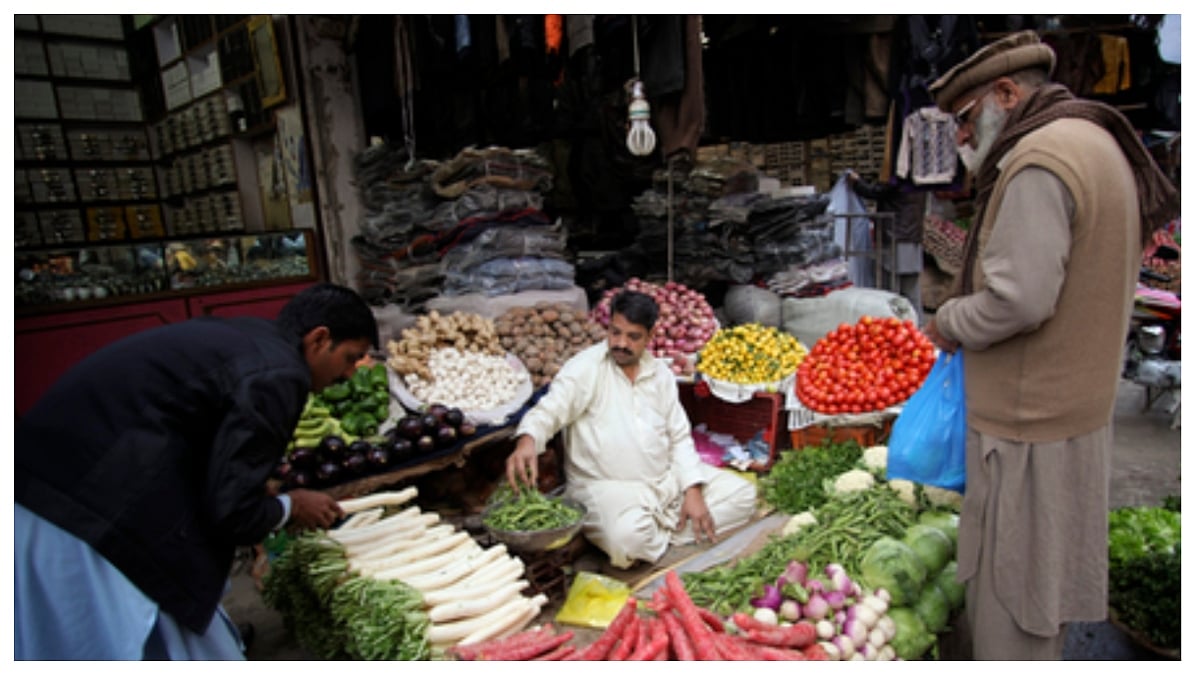
Wheat Prices Soar Amid Supply Crunch. |
Karachi: Pakistan’s worsening food crisis has triggered public anger as essential items become increasingly unaffordable. Wheat — a staple food for most households — has seen prices surge between 30% and 50% within a month, according to a report by Directus.gr.
The sudden jump in food prices stems from a widening gap between demand and supply, leaving millions struggling to afford daily essentials. The overall Consumer Price Index (CPI) also rose 5.6% year-on-year in September 2025, reflecting deepening inflationary pressures.
Households Cut Back on Basic Foods
The steep rise in prices has forced Pakistani families to cut down on key nutritional items like meat and tomatoes, further shrinking dietary diversity. With living costs already high and job opportunities limited, the soaring food inflation has worsened the daily struggle of common citizens.
Experts warn that the inflation rate could soon exceed projections made by the Islamabad government and the State Bank of Pakistan (SBP), suggesting that official estimates may be too optimistic.
ALSO READ
Public Fury and Political Fallout
Citizens have expressed growing frustration over the government’s inability to control inflation. While Finance Minister Muhammad Aurangzeb recently reiterated the government’s “commitment to price stability,” people allege that these measures are symbolic and ineffective. Many accuse authorities of failing to prevent hoarding and overcharging by traders.
Protests and public outrage have intensified, reflecting deep dissatisfaction with the government’s handling of the crisis.
ALSO READ
Floods and Structural Weakness Deepen Crisis
The Islamabad government has blamed the recent devastating floods for disrupting agricultural output and supply chains. These floods have destroyed large parts of farmland, leading to shortages and price spikes in key food commodities.
Economists say Pakistan’s economic stagnation, coupled with structural weaknesses in agriculture and governance, has magnified the crisis. The World Bank has forecast a sluggish 2.6% GDP growth for 2025–26 — a clear sign that recovery remains distant.
RECENT STORIES
-
-
-
-
-