90% Asia-Pacific Passengers Satisfied With Air Travel But Complex Immigration Remains Key Hurdle, Highlights IATA's Global Passenger Survey 2026
The survey found that 58% of global travellers used airport biometric technology in the past year, up from 50% in 2025, while 87% of biometric users reported satisfaction. Around 49% of respondents also used AI tools to plan trips, highlighting growing demand for digital travel services.

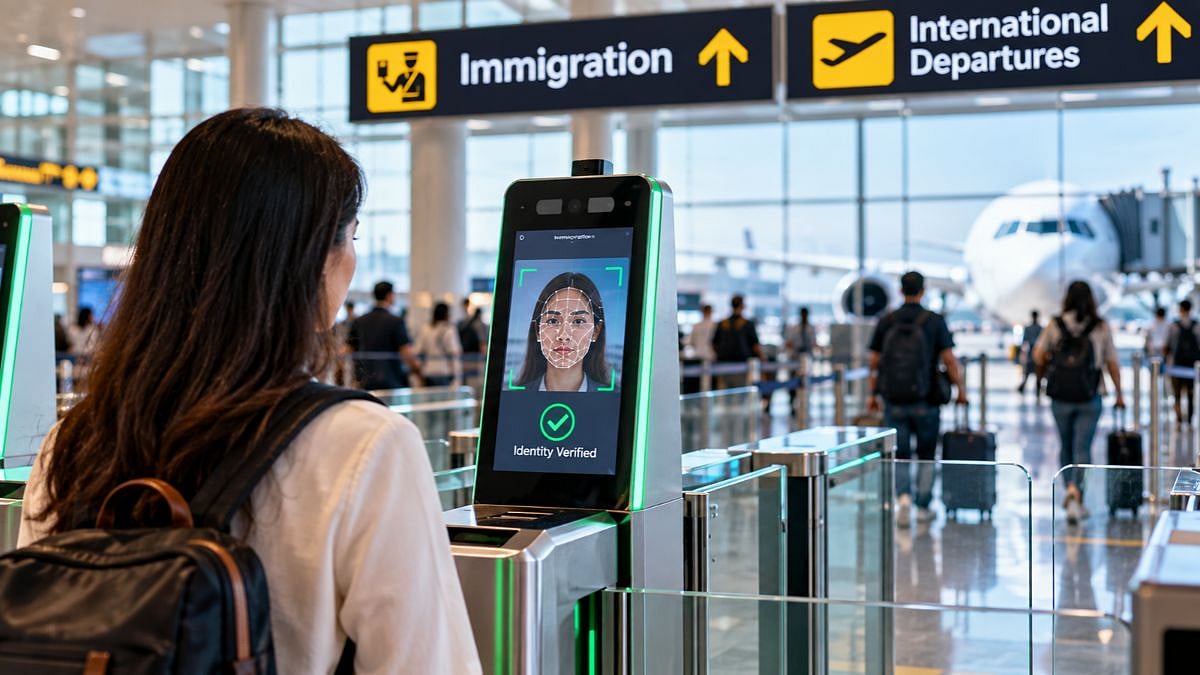
Asia-Pacific leads global air travel satisfaction as passengers embrace biometric identification and digital travel tools | Representational Image
Mumbai, October 29, 2026: Passenger satisfaction with air travel in the Asia-Pacific region has hit a global high, driven by the rapid adoption of contactless biometric identification and digital travel tools.
However, burdensome immigration procedures and complex entry requirements continue to act as a major deterrent for travellers, according to the International Air Transport Association’s (IATA) 2026 Global Passenger Survey (GPS).
The comprehensive study, released on Wednesday and based on responses from over 10,000 travellers across more than 200 countries, outlined a clear shift towards digital identity in the post-pandemic era, alongside persistent regulatory friction at international borders.
Travellers in the Asia-Pacific (APAC) region recorded the highest overall satisfaction rate globally, with 90 per cent expressing satisfaction with their air travel experience over the past 12 months. The region outstripped Europe, which lagged at the bottom of the global satisfaction scale at 84 per cent.
Biometrics And Digital Tools Drive Satisfaction
The key drivers behind APAC’s strong performance include widespread enthusiasm for airport automation and contactless processing. According to the survey, about 81 per cent of APAC travellers expressed a willingness to share biometric data, such as facial scans, to streamline airport procedures and avoid repeated document checks.
Moreover, travellers showed strong enthusiasm for smartphone-based travel management, with APAC passengers supporting integrated platforms that combine digital passports, payments and loyalty programmes.
Notably, major hubs across the region, exemplified by Hong Kong International Airport receiving IATA’s One ID certification, have actively deployed contactless single-token passenger flows.
Complex Immigration Procedures Deter Travellers
While technology is making terminal processing faster, administrative bureaucracy is dragging the industry backwards. Survey results show that around 49 per cent of APAC travellers feel discouraged from visiting destinations due to entry requirements, a sentiment mirrored globally, where 43 per cent of all travellers reported being deterred by immigration procedures, recording a sharp increase from 33 per cent in 2025.
The GPS 2026 noted that technology adoption globally is reshaping how passengers move through terminals and plan their trips. According to the survey results, about 58 per cent of global travellers used biometric technology, up from 50 per cent in 2025, at least once during their airport journey in the past year.
Passenger satisfaction among biometric users reached a record 87 per cent. While 84 per cent of global passengers want to use digital passports for online check-in, about 82 per cent are open to sharing digital credentials with airlines post-booking to receive personalised trip and visa information.
AI Adoption Rises Amid Privacy Concerns
The survey also highlighted the rise of artificial intelligence (AI), with around 49 per cent of global respondents reporting using AI tools to plan their trips, primarily to research flights, find cheap fares and seek destination inspiration.
Despite high enthusiasm, privacy remains a hurdle, as data breaches, unauthorised data sharing and lack of transparency were listed as top biometric concerns globally.
IATA emphasised that while over 100 countries now offer e-visas, inconsistent verification practices remain a major operational bottleneck. The organisation urged governments to adopt common international standards for digital travel credentials (DTCs) to eliminate duplicate checks and create end-to-end contactless international journeys.
IATA’s Senior Vice President for Operations, Safety and Security, Nick Careen, said, "Passengers are embracing technology to make travel easier yet many travellers continue to face barriers from complex immigration and visa processes. To make biometrics the norm for international travel, governments must agree on a framework for issuing and accepting secure digital passports or DTCs."
Also Watch:
ALSO READ
Global Vs Asia-Pacific Highlights: IATA GPS 2026
Asia-Pacific passenger satisfaction: 90 per cent
Global biometric user satisfaction: 87 per cent
Global interest in digital passports: 84 per cent
APAC willingness to share biometric data: 81 per cent
Global travellers using airport biometrics: 58 per cent
Global travellers using AI for trip planning: 49 per cent
To get details on exclusive and budget-friendly property deals in Mumbai & surrounding regions, do visit: https://budgetproperties.in/
RECENT STORIES
-
-
-
-
-