How Smarter Homebuyers Are Reshaping Indian Real Estate
When homebuyers get smarter, developers need a better plan, believes Abhay Kumar Mishra of Jindal Realty.

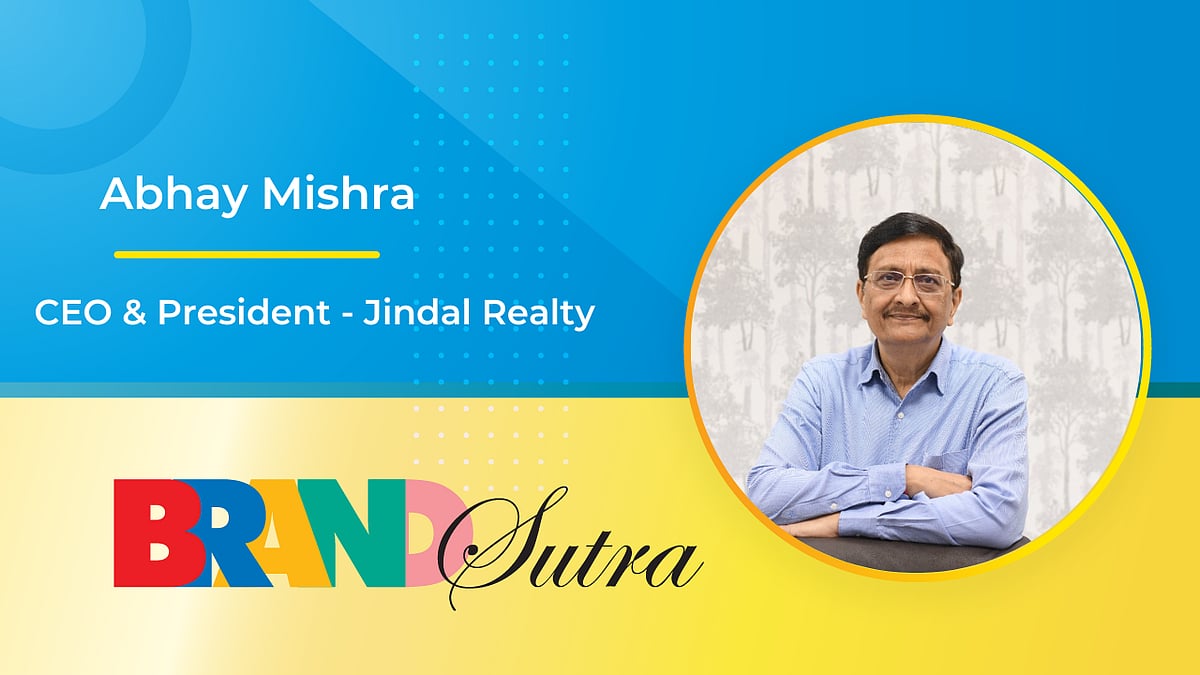
Indian real estate is standing at a pivotal inflection point. The market is no longer driven by supply; it’s driven by awareness, aspiration and a digitally empowered buyer who knows exactly what to look for. In this evolving environment, Jindal Realty — under the leadership of Abhay Kumar Mishra, CEO & President — is crafting a distinct roadmap shaped by sustainability, design innovation, and data-led marketing. In a wide-ranging conversation, Mishra shares how consumer expectations are shifting, why sustainability is redefining luxury, and what the industry must do to build lasting trust.
Consumers Are Not Just Buying Homes — They’re Buying Ecosystems
The Indian homebuyer has changed more in the last five years than in the previous fifteen. Gone are the days when gated security and a clubhouse were enough to qualify as premium living. Today’s consumer comes armed with research, comparison data, and clarity on what truly matters.
“Buyers are now more informed and they know exactly what they want — starting from inclusive lifestyle amenities, well-connected vicinity, and long-term appreciation potential,” Mishra observes. He notes that this shift is particularly pronounced in emerging real estate corridors like Sonipat, where Jindal Realty has been developing large-scale townships such as Jindal Global City and Jindal Smart City. According to him, “Homebuyers want integrated townships that offer not just homes, but a holistic lifestyle with green spaces, efficient design, and a rich neighbourhood.”
This desire for completeness — where residential, retail, leisure, and wellness blend seamlessly — has pushed real estate brands to operate more like placemakers than mere developers.
The New Definition Of Urban Luxury
A decade ago, sustainability was a niche differentiator. Today, it is at the heart of consumer priorities and regulatory direction. “We’ve built eco-powered common areas, expansive green belts, and adopted precast technology to reduce waste and enhance energy efficiency,” Mishra shares. These choices do more than reduce the carbon footprint — they redefine luxury as something that coexists harmoniously with nature.
Mishra puts it simply: “True luxury in real estate today means harmony with nature.” As infrastructure projects like UER-II and the RRTS unlock new urban zones, the demand for sustainable, self-sufficient communities will only accelerate.
Building The Cities Of Tomorrow
Design is also emerging as a powerful competitive differentiator. For Mishra, innovation must be both aesthetic and functional. “We are bringing in global consultants to design our spaces as part of a unified development,” he explains. “We have adopted precast construction techniques for our upcoming projects which will reduce carbon footprint while enhancing resident well-being.”
These decisions allow Jindal Realty to streamline construction timelines, elevate build quality, and introduce global sensibilities to the NCR region. The outcome is housing that is modern, efficient and aligned with global sustainability benchmarks.
But while demand is rising in emerging corridors, the real estate business remains capital-intensive and requires thoughtful sequencing. For Jindal Realty, this means smart phasing and a relentless focus on cash flow.
“We focus on plotted and villa segments with high demand, ensuring steady cash flows while reinvesting in infrastructure,” Mishra notes. Clear processes, cost discipline, and long-term planning allow the company to expand steadily without compromising on quality.
Where Real Estate Marketing Lives Now
Marketing in real estate has undergone a complete reset. What once relied on newspaper spreads and roadside billboards has now evolved into precision-led digital ecosystems. Buyers today want to explore, experience, and evaluate properties long before they step into a sales gallery.
Mishra explains this shift clearly: “Our marketing mix has evolved dramatically… We leverage SEO-optimised websites, Instagram campaigns, targeted Meta ads, and virtual toolkits like walkthroughs and digital brochures.”
This digital-first strategy allows Jindal Realty to reach buyers where they’re most active — on their phones — and lets customers evaluate projects at their own pace and convenience. Data analytics further refine these outreach efforts, ensuring better ROI and stronger lead quality.
Transparency Above All
Trust remains the single biggest currency in Indian real estate. Mishra believes the industry can greatly enhance consumer confidence by embracing transparency as a default practice.
He advocates for standardised disclosures, real-time project tracking tools, and third-party audits. “Meeting construction timelines along with maintaining quality are two key milestones to maintain consumer confidence,” he stresses.
The next decade promises transformation, especially as new economic hubs emerge around major infrastructure corridors. “What excites me most is the rise of zones like Sonipat as major growth engines,” Mishra says. With tech-integrated and sustainable townships, he sees a future where NCR becomes more inclusive, efficient and environmentally aligned.
RECENT STORIES
-
-
-
-
-