US-Cuba Tensions Rise: America’s Power Play Deepens Amid Energy Crisis And Regime Pressure
US pressure on Cuba has intensified amid a severe energy crisis, with threats of intervention and sanctions worsening conditions. The situation highlights geopolitical tensions, sovereignty concerns and the broader implications of America’s strategy in Latin America.

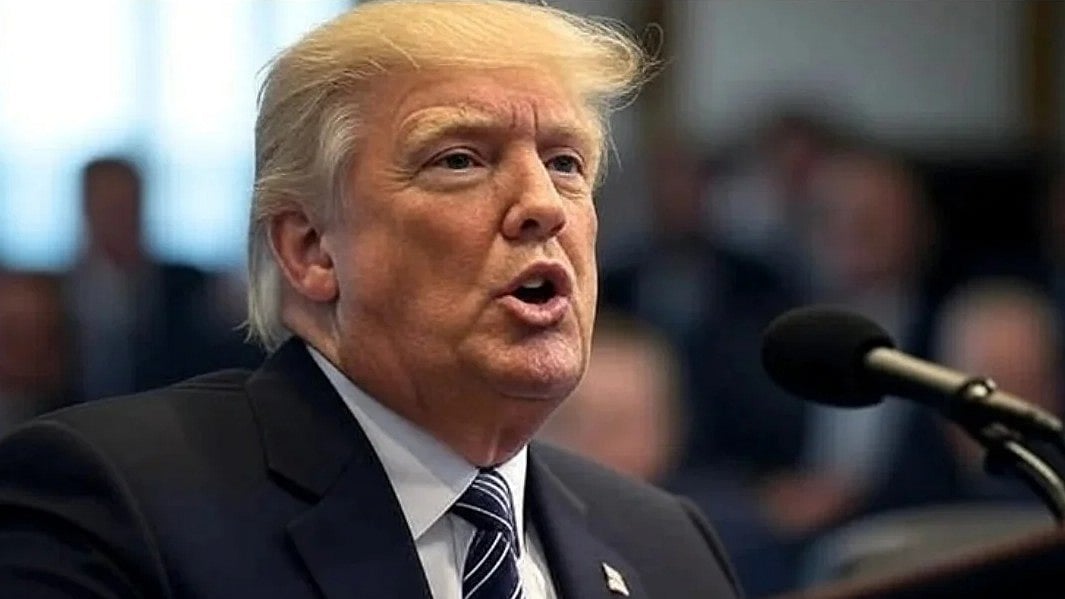
US President Donald Trump | File Image
US President Donald Trump’s threat to ‘take Cuba’, in the wake of an engineered economic collapse staring at the island nation of 11 million people, is a crude escalation of a policy that successive American leaders have adopted towards it. That he chose to ratchet up the pressure using an energy chokehold on the Cuban government in the midst of ongoing talks that his administration is holding is a deplorable act of intimidation.
No one believes that Trump holds out idle threats after the capture of Venezuela’s leader Nicolas Maduro and the bombing of Iran. But the motives behind his attempt at regime change in Cuba seem more symbolic, designed only to add another trophy to show his supporters at home.
Cuba has been an ideological holdout in America’s backyard since the success of the Communist revolution of 1959 and the loss of capitalist power to the nationalisation of economic assets under Fidel Castro. The small country has faced the brunt of US sanctions over the decades and has been deprived of trading opportunities.
Now, after regional allies, such as Venezuela, Mexico, Colombia, and Brazil, withdrew oil supplies to Cuba in favour of humanitarian aid, in the face of US pressure, the country’s electric grid has suffered collapse. The regime of Miguel Diaz-Canel in Havana finds itself even more embattled in the absence of backing from China.
It is not that the Cuban leader has refused to appear conciliatory, offering Cuban expatriates opportunities to invest in their home country and own businesses. Yet, Trump feels compelled to flex hegemonistic muscle rather than do an honourable commercial deal.
Unclear objectives and historical context
Just what the US policy seeks to achieve in Cuba appears unclear. By many accounts, setting the country on the path to multi-party democracy is not high on the agenda, as the recent experience in Venezuela shows.
America’s tradition of supporting dictators who are ready to aid capitalist interests is well-known and is very much part of Cuban history from the time of Fulgencio Batista, who was overthrown by Castro’s fighters. The island was the scene of an alarming Cold War crisis when Russia and the US faced off over deployment of the former’s nuclear missiles; later it was the target of crippling economic sanctions.
Today, as the Communist revolution fades in appeal to many Cubans, the imperative is to let the island’s people determine their future through free and fair elections and global trade. America’s poor neighbour is often criticised for lack of political freedoms, but Havana’s rulers point to universal healthcare and education as achievements that the US, the most powerful country, cannot match.
Trump is ready to use any available tactic to advance his exploitative goals, as he plans to in Zambia. There, he intends to seek more minerals to continue the HIV treatment access. It is time all nations condemn the savaging of innocents by ideologically bankrupt rulers, whether in Gaza, Iran or elsewhere.
Published on: Wednesday, March 18, 2026, 10:02 PM ISTRECENT STORIES
-
-
-
-
-