Supreme Court Assigns Notional Monthly Value To Invisible Labour
The Supreme Court’s decision assigning a notional ₹30,000 monthly value to homemaker labour in a compensation case has sparked wider reflection on unpaid domestic work in India, officials said. The court described homemakers as “nation builders”, highlighting the economic value of caregiving.

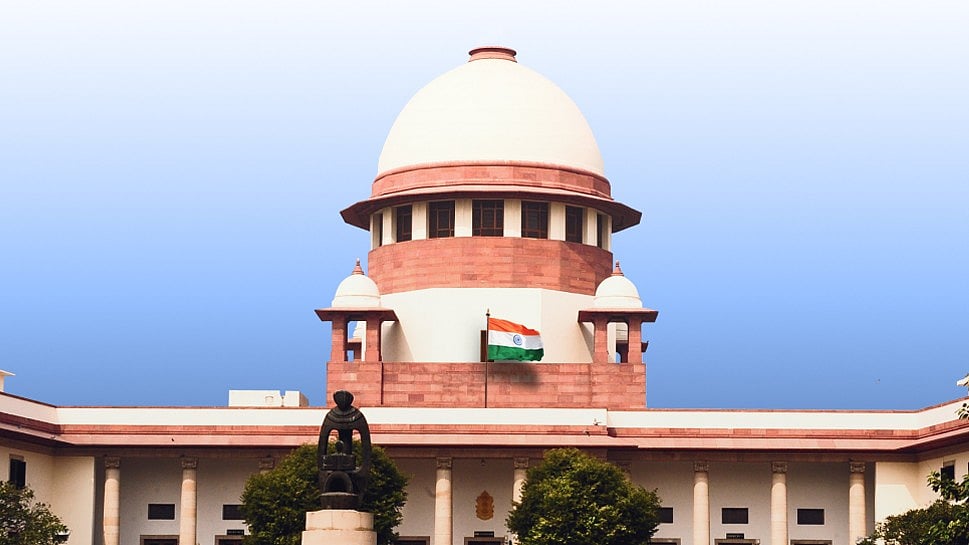
Supreme Court Assigns Notional Monthly Value To Invisible Labour | Representative Image
The Supreme Court’s recent decision assigning a notional monthly value of Rs 30,000 to the labour of a homemaker in a compensation case is important not because of the figure involved but because of what it acknowledges. By describing homemakers as “nation builders”, the court recognised the economic value of work that has long remained invisible. The judgement compels India to confront an uncomfortable question: Why do we acknowledge the worth of a woman’s labour only after she is gone? The answer lies partly in the findings of the latest National Family Health Survey. Together, the verdict and the survey expose a contradiction at the heart of India’s development story. Women today are more educated, financially included, and empowered than previous generations. Yet, they continue to shoulder a disproportionate burden of unpaid work.
The survey offers reasons for celebration. Institutional deliveries have crossed 90 per cent, maternal healthcare has improved, and child stunting has declined. But it also reveals disturbing gaps. Nearly four out of five children between six and 23 months do not receive a minimum acceptable diet. Food alone does not nourish a child. Someone must breastfeed, prepare meals, feed the child repeatedly, monitor illness, and ensure hygiene. In most households, these responsibilities fall overwhelmingly on women. The survey also points to rising obesity and high blood sugar among women. India has made progress in ensuring that women survive pregnancy and childbirth. It has paid far less attention to whether they remain healthy enough to sustain the caregiving responsibilities society places upon them. The recent Time Use Survey underlines this reality. Women spend nearly five hours a day on unpaid domestic work, compared with less than two hours for men. When caregiving is added, the gap widens further. Even women who earn an income continue to bear the larger share of household duties.
For years, empowerment has been measured through education, bank accounts, and digital access. These gains are important. But public policy has seldom measured women’s exhaustion. India’s demographic dividend rests on the care children receive in their earliest years. That care, in turn, depends largely on women’s unpaid labour. If the country is serious about building human capital, caregivers themselves must become a policy priority. This does not mean putting every homemaker on the government payroll. It means expanding access to quality childcare and crèches, strengthening support for breastfeeding mothers, and improving women’s health services. It also requires a social shift towards a more equitable sharing of care responsibilities within families. The apex court has recognised the value of homemakers’ labour. The challenge now is to support and invest in that contribution while women are still alive. The strength of a country’s future cannot rest on the silent sacrifice of caregivers while their own needs remain neglected.
RECENT STORIES
-
-
-
-
-