Shrinking Parliament, Shrinking Debates
Elections demand enormous expenditure. Maintaining the Parliament Secretariat, paying salaries and perks to members, and extending pensions to retired MPs collectively cost the exchequer thousands of crores.

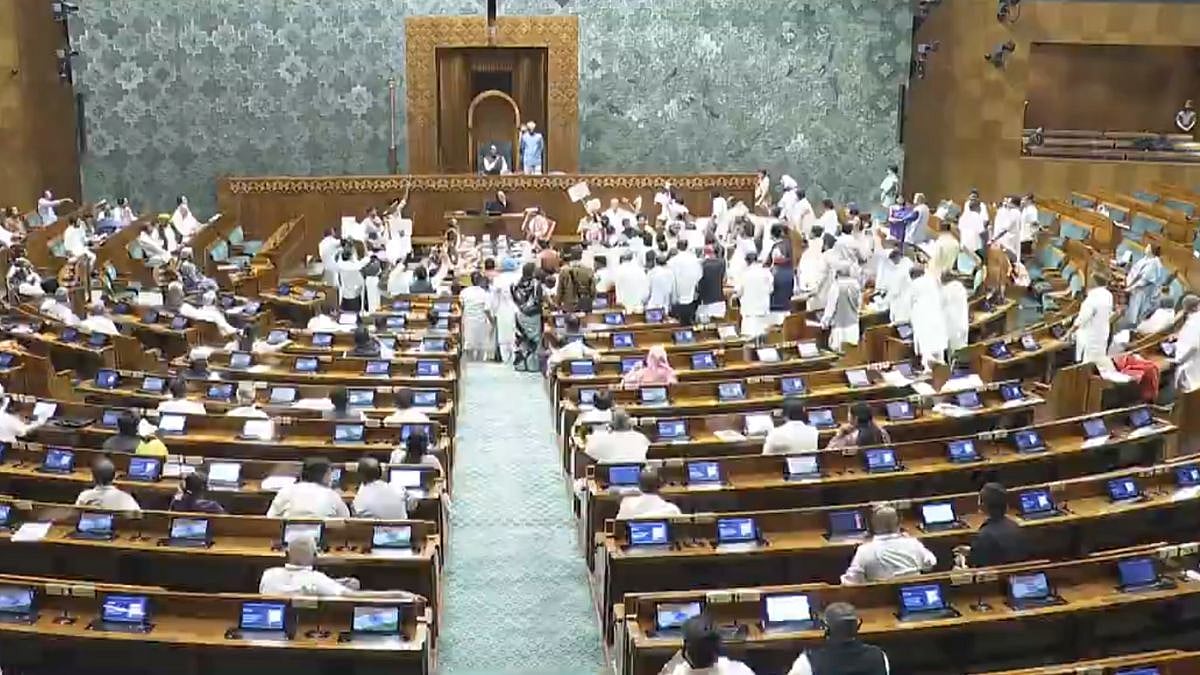
Shrinking Parliament, Shrinking Debates | X @sansad_tv
The concern over the precipitous decline in the number of days Parliament meets each year is both genuine and widespread. In the 1950s, when the first and second Lok Sabha sat, the House met for as many as 130 days annually—essentially ensuring that every third day was a working day for the nation’s highest legislative body. In stark contrast, the Seventeenth Lok Sabha (2019–24) managed to meet for only 55 days a year. There is, unfortunately, no indication that the trend will reverse. Running Parliament is an expensive affair. Elections demand enormous expenditure. Maintaining the Parliament Secretariat, paying salaries and perks to members, and extending pensions to retired MPs collectively cost the exchequer thousands of crores. Yet few would object to the cost if Parliament functioned as intended—rigorously debating and reviewing legislation that could withstand judicial scrutiny and earn public trust. But that ideal is increasingly distant. Fewer sittings allow governments to push through Bills without proper examination. Many members barely get the chance to scrutinise what they are expected to vote on. This is not merely a procedural lapse; it strikes at the heart of parliamentary democracy, where debate and deliberation are essential safeguards. The recent past offers cautionary examples: the hastily passed agricultural laws had to be frozen after unprecedented protests across states.
The ongoing winter session illustrates the malaise. The session opened amid troubling circumstances. Airports across the country were thrown into chaos when IndiGo, which enjoys monopoly positions in several sectors, cancelled hundreds of flights because it refused to comply with regulations ensuring adequate rest for pilots. The nation reeled as the rupee hit record lows against the dollar. The future of the indigenous Tejas aircraft cried out for serious debate. So did the persistent stagnation in employment generation. Instead, Parliament allotted 10 precious hours to discuss “Vande Mataram” on the occasion of its 150th anniversary. The national song has been debated exhaustively—from the Constituent Assembly to public forums—and today occupies a well-defined and uncontested place of honour alongside the national anthem. Both are limited in duration to about a minute, a decision rooted in practicality and solemnity. Yet members spent hours revisiting what Nehru, Gandhi or Netaji Bose had said about it decades earlier.
While Parliament lost itself in symbolic theatrics, the world moved on. China, for the first time, reported a trade surplus of one trillion dollars. It is steadily edging the United States out in key technological frontiers. Drones deliver goods across its cities, while we expend our limited parliamentary hours jousting with imaginary foes. Democracy demands vigilance, not nostalgia. A Parliament that meets less and debates even lesser risks becoming a mere stage—when what the nation needs is a workshop of ideas.
RECENT STORIES
-
-
-
-
-