India Develops A New Vaccine To Fight Dengue
Takeda Biopharmaceuticals India’s QDENGA has received market authorisation from the Drug Controller General for people aged 4 to 60 years, marking India’s first approved dengue vaccine for this age group. The vaccine targets four dengue virus types through a two-dose regimen. The company claims 80.2% efficacy against infection and 90.4% against hospitalisation, with monitoring planned.

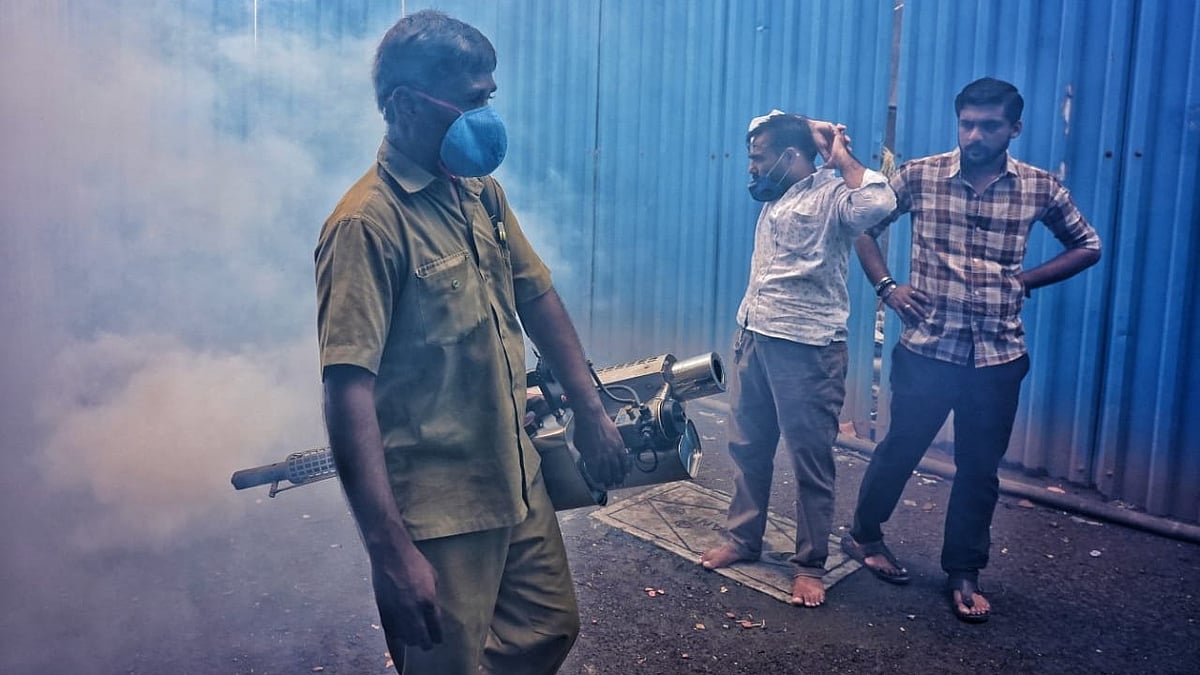
India Develops A New Vaccine To Fight Dengue | Representational pic
As a country with a high burden of dengue, the approval of a vaccine for India that is targeted at four types of the virus marks a public health milestone. QDENGA, the vaccine from Takeda Biopharmaceuticals India, is the first to get market authorisation from the Drug Controller General for the 4 to 60 year age group and is designed to provide a defence against dengue through a two-shot regimen, with a claimed efficacy of 80.2% on infection and 90.4% on hospitalisation. The combination of antibody defences against the four types of dengue viruses through live attenuated, or weakened, viruses, regardless of previous infection, is aimed at comprehensive protection, and the outcomes of the vaccination will be closely watched at the population level. Given the significant disease burden, with a reported 11-fold rise in reported infections in two decades, an effective and safe vaccine is bound to be a boon. Government-collated data for the country as a whole during 2020 and 2024 put the annual cases at 44,585 during the COVID year to 2.33 lakh four years later; the mortality rate for the disease was 0.07% in 2025, down from 0.13% a year earlier. Monthly infection patterns through mosquito vectors point to a post-monsoon spike. It is, of course, important to keep a close watch on the progress of vaccination and the phenomenon of adverse events that sometimes follows. Here, the experience of Brazil is instructive. Although statistically small, adverse events after dengue vaccination using a similar tetravalent vaccine took a deadly turn in that country due to a phenomenon that makes the actual infection worse based on antibodies produced—a phenomenon termed ‘Antibody Dependent Enhancement’ (ADE). When antibody levels are insufficient, the infection is said to worsen, requiring vigilance and treatment to prevent fatal consequences.
The makers of QDENGA will have to work closely with state public health authorities both to scale up the vaccination effort and institute a system to report side effects, adverse events, and, where necessary, provide free medical care to those who may be at risk of ADE of the disease. Other dengue vaccine candidates are also in clinical trials, with potential for approval, including DengiAll, that began in 2024 in partnership with the Indian Council of Medical Research. Diligent vigilance and transparency in publishing clinical trial data for all these candidates will raise confidence that the vaccines are safe and well tolerated and that supportive policies are in place where treatment is needed for the small but important subset of people who develop complications. Thus far, the government’s approach to dengue has been one of prevention and free diagnosis through a network of 869 sentinel surveillance hospitals and 27 apex referral laboratories. Efficacious vaccines will be a game changer for millions who encounter health system bottlenecks.
RECENT STORIES
-
-
-
-
-