High Hopes On The Use Of Ethanol
Fluctuating petroleum prices could affect ethanol producers, while large-scale sugarcane cultivation may increase water use and distort agricultural production. Sustainable alternative fuels, public transport, expanded railways and safer long-distance buses could help reduce fuel demand and support India’s net-zero emissions target for 2070.

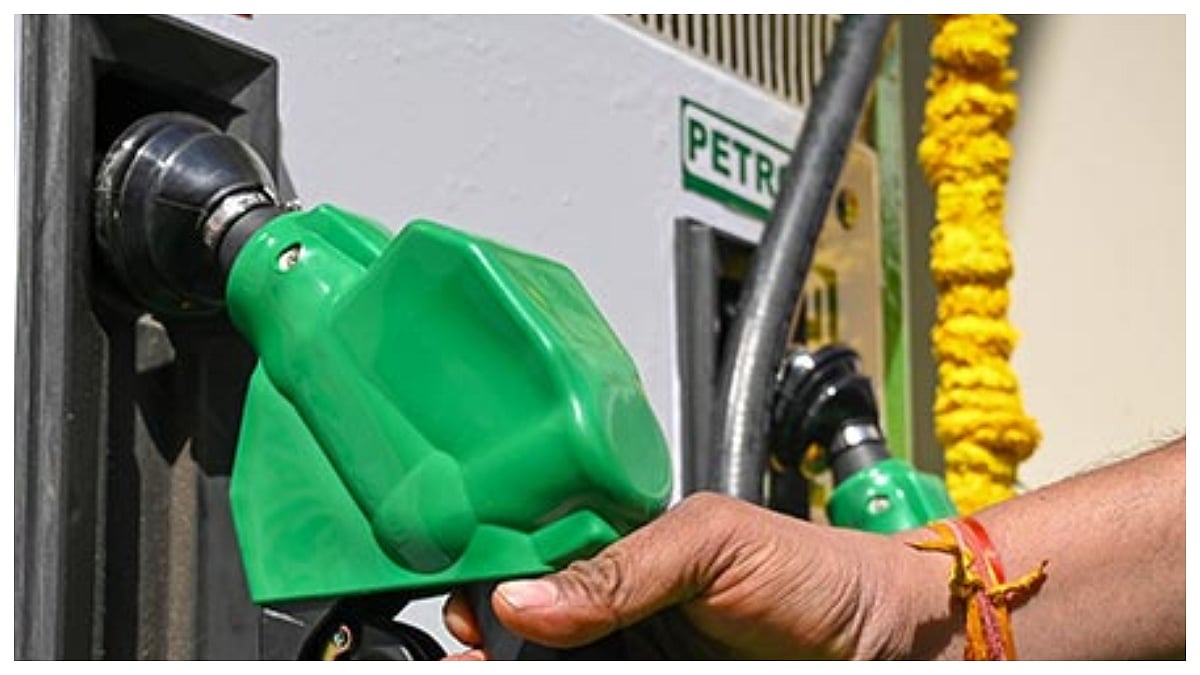
India’s ethanol policy faces questions over long-term fuel demand, water use and sustainable energy alternatives | Representational Image
Policy clearance granted by the Ministry of Road Transport and Highways for E100, or fully ethanol-compatible flex-fuel vehicles, marks another ambitious step to reduce the country’s dependence on petroleum-based automotive fuels. Brazil is arguably a leader in promoting E100-fuelled vehicles, with a fleet share of about 78 per cent for new vehicles and a big programme to produce ethyl alcohol for automotive use. Although India has among the biggest petroleum refining capacities anywhere, rising use of petroleum-based fuels is carving a hole into its current account, leaving a significant deficit. Blending automotive fuel with ethanol to various degrees, currently capped at 20 per cent, has, therefore, become a policy imperative, although scaling this up involves finding sources for vast quantities of ethanol.
Some vehicle manufacturers have started introducing flex-fuel vehicles that are compatible with E85 or even E100 hydrous ethanol, where the engines are able to tolerate the presence of a small, defined amount of water through modifications to the fuel delivery and electronic pump systems; older vehicles cannot use ethanol blends because they affect rubber and plastic seals, cause fuel system leaks, and produce severe corrosion. Although Transport Minister Nitin Gadkari has cleared E100 as a fuel system, Petroleum Minister Hardeep Puri said almost immediately that there is no plan to increase ethanol blending beyond 20 per cent. The market would expect a more cogent approach to help consumers make vehicle purchase decisions that have a lock-in effect of several years.
Economic And Environmental Concerns
Biofuel fortunes have been rocked in the past by market forces, and it is reasonable to expect that the trend will hold true during future peak events. If petroleum prices fall, what would the market response be, with implications for producers of ethyl alcohol? Equally relevant is the question of whether farmers should make a large-scale shift to produce ethyl alcohol, distorting agricultural production and drawing ever larger volumes of water to grow sugarcane crops. Cutting down forests, which are complex, biodiverse ecosystems, to grow sugarcane or other crops to make alcohol would also be retrograde.
As the past shows, economics has a defining impact on biofuel production: the failed promise of jatropha-derived biodiesel is well known. What was promoted as a magical solution proved no more than a mirage due to yields.
A Sustainable Approach To Energy
A more sustainable approach to managing fuel demand would be to flatten it through a mix of policies that help promote environmentally feasible alternatives, such as hydrogen; cut urban use through collectivised transport and enhanced taxes; scale up the railways to meet the needs of a populous country; and make long-distance bus travel safe and comfortable.
Energy is unarguably the single biggest determinant of economic activity, but India is committed to using less of it per unit of GDP under international treaties and achieving net-zero greenhouse gas emissions by 2070. Truly green, sustainable solutions hold the key.
To get details on exclusive and budget-friendly property deals in Mumbai & surrounding regions, do visit: https://budgetproperties.in/
RECENT STORIES
-
-
-
-
-