Dadasaheb Phalke Award A Crowning Glory For Anant Nag
Veteran actor-director Anant Nag will receive the Dadasaheb Phalke Award at the National Film Awards on September 22. With a career spanning more than five decades and around 300 films across languages, Nag is known for works including Ankur and Malgudi Days and has also been honoured with the Padma Bhushan.

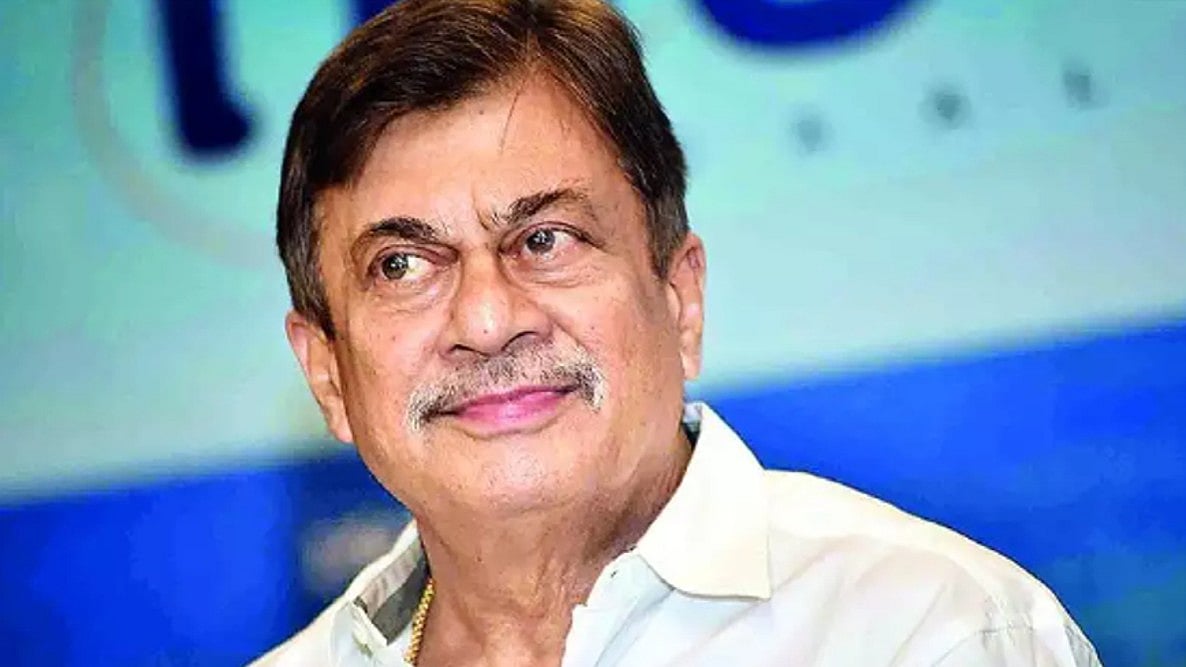
Veteran actor-director Anant Nag will be honoured with the prestigious Dadasaheb Phalke Award at the National Film Awards | File Photo
Every national or even international award often comes with an element of controversy, and this is particularly apparent in the field of arts, cinema certainly. The Dadasaheb Phalke Award—which this year has been given to actor-director Anant Nag—is no exception, and some winners have been seen as unworthy of this honour. Every year or just about, the award arrives with a controversy, and not surprisingly so. For, India is a country with a mind-boggling number of languages, religions, castes, and communities, and in such a nation disappointment and distress are only to be expected. In the coming weeks, a raging debate will ensue, and names such as Vijay Sethupathi, Nassar, and Vidya Balan, among others, will pop up as more or equally deserving as Nag. Maybe, but the fact is that Nag's cinematic appeal tempered with a pleasing personality, a debonair style, and professional brilliance are beyond any question mark.
To be presented as part of the National Film Awards on September 22, the Phalke prize will club Nag along with such luminaries as directors Satyajit Ray and Adoor Gopalakrishnan, actors Mohanlal, Soumitra Chatterjee, Mrinal Sen, Shyam Benegal, and Amitabh Bachchan, and musicians Manna Dey, Bhupen Hazarika, Lata Mangeshkar, and Asha Bhosle. Instituted in 1969 in memory of Indian cinema pioneer Dadasaheb Phalke, director of “Raja Harischandra” (1913), India’s first full-length feature, the award is presented to one who has contributed to the growth and development of Indian cinema. Nag fits the bill to a tee. His first film was Sankalpa (1973, Kannada), and, interestingly, his Hindi work came just a year later. Ankur (seedling) had a strong story and a fascinating fresher like Shabana Azmi and Shyam Benegal in his directorial debut. For Nag, Ankur was a turning point, with its disarmingly simple story of a young man forced into a marriage that was sexually frustrating.
A Career Spanning 300 Films
There were other significant outings for Nag, and among the 300 movies in many languages, one of the most unforgettable was R.K. Narayan's Malgudi Days on television. The dignified, quiet, and subtle manner with which the actor essayed his characters spoke eloquently of his grit and fortitude—not very common among the cinema tribe of today. But Nag belonged to a generation that strove for perfection and often scored. Many awards, including India's highest civilian honour, the Padma Bhushan, came his way. But his sincerity and abiding passion for his craft never dipped, and saw him through what could not have been an easy walk. The Phalke award is not just another feather in his cap but a crowning glory.
RECENT STORIES
-
-
-
-
-