Alas! It’s Politics Over Cricket
Bangladesh’s threat to skip World Cup matches in India underscores how political tensions are spilling into sport. Poor handling by cricket boards and wider diplomatic strains risk turning cricket into collateral damage, when it should instead serve as a bridge between nations.

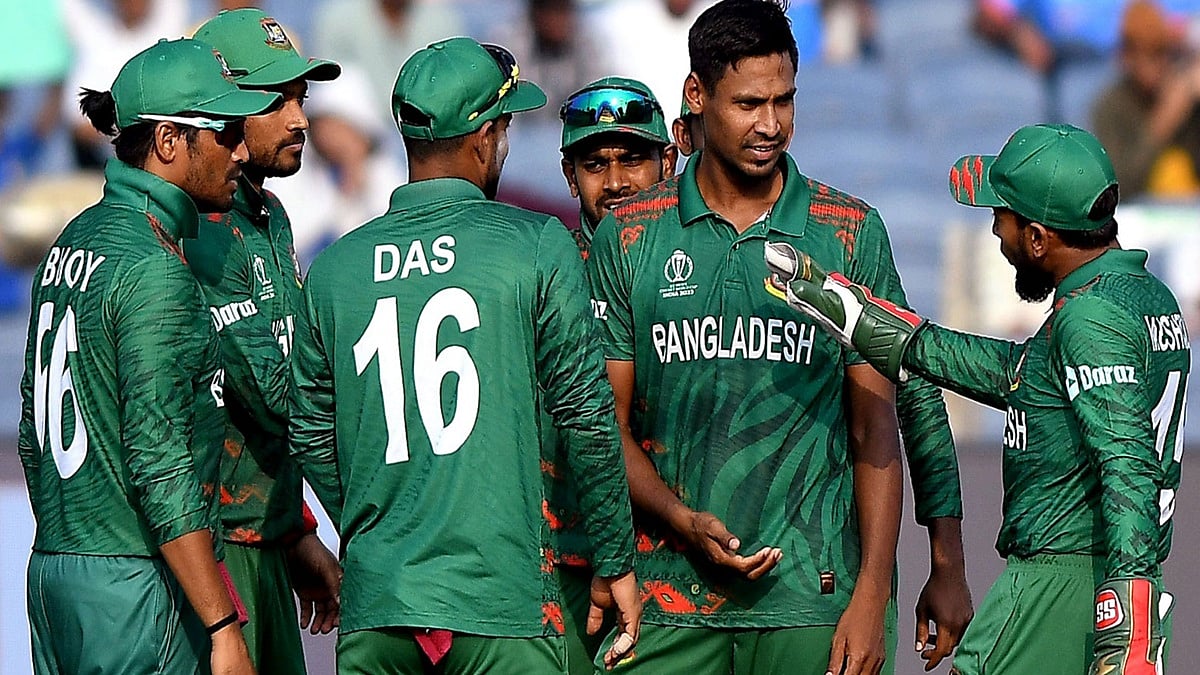
Politics casts a shadow over cricket as India–Bangladesh tensions spill into World Cup hosting concerns | X | ANI
The Bangladesh Cricket Board’s threat to stay away from the T20 World Cup 2026 if its matches in India are not shifted to a neutral venue, such as Sri Lanka, is, to put it mildly, unfortunate. Cricket, particularly in South Asia, has always been more than a game.
Precisely for that reason, administrators on both sides have a higher responsibility to ensure that political anxieties do not end up poisoning sporting ties. The BCB has cited concerns over the safety of its players. While player security can never be brushed aside, the timing and manner of this public posturing raise troubling questions.
IPL episode mishandled
There is little doubt that the controversy surrounding the abrupt withdrawal of Bangladeshi fast bowler Mustafizur Rahman from his IPL contract with the Kolkata Knight Riders was unwarranted and mishandled. The Board of Control for Cricket in India did not cover itself in glory by meekly acceding to that pressure.
Politics intrudes into sport
Political parties and vested interests were allowed to hijack the issue, inflicting avoidable damage on bilateral cricket relations. The result is an atmosphere of uncertainty over fixtures scheduled between February 7 and March 8.
Diplomatic chill reflected on the field
This sporting chill is, of course, only a reflection of the broader frost that has settled over India-Bangladesh relations since the dramatic removal of Awami League leader Sheikh Hasina from power and India’s decision to spirit her out of the country to avert a violent fate reminiscent of what befell her family decades earlier.
For many in Bangladesh, India’s excessive identification with the ousted regime has bred resentment. In their perception, that regime had become corrupt, authoritarian and disconnected from ordinary citizens.
India’s shrinking influence
While it is true that India enjoyed excellent relations with Dhaka during that period, marked by a surge in trade and connectivity, Delhi clearly failed to hedge its bets. When the political tide turned, India found itself with diminishing influence.
Signs of diplomatic recalibration
There are now signs of a rethink. India’s response to the death of former president and BNP leader Khaleda Zia was telling. New Delhi was among the few countries to send its foreign minister to represent the nation at her funeral. More significantly, External Affairs Minister S. Jaishankar carried a personal letter from Prime Minister Narendra Modi to BNP leader Tarique Rahman.
Cricket diplomacy must rise above politics
Given the strained India-Bangladesh ties during Khaleda Zia’s last term as prime minister from 2001 to 2006, the message could not have been clearer: India is prepared to engage with whoever holds power in Dhaka. That assurance — that bilateral relations matter above personalities — should also guide cricket diplomacy.
It is time both boards stepped back from brinkmanship, restored calm, and ensured that the region’s most popular sport does not become collateral damage in a larger political churn. Cricket, after all, should be a bridge, not another casualty of distrust.
RECENT STORIES
-
-
-
-
-