Twelfth Night: Know more about the date and its significance
Different traditions mark the date of Twelfth Night as either 5 January or 6 January, depending on whether the counting begins on Christmas Day or 26 December.

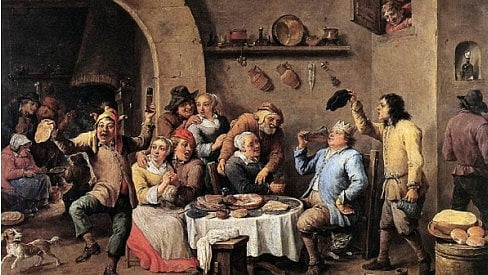
Picture for representation | streetsofsalem
Twelfth Night (also known as Epiphany Eve) is a Christian festival on the last night of the Twelve Days of Christmas, marking the coming of the Epiphany.
Different traditions mark the date of Twelfth Night as either 5 January or 6 January, depending on whether the counting begins on Christmas Day or 26 December.
It originated in the East where Christians celebrate the birth and baptism of Jesus. The Western Church began following it in the 4th century as the day the wise men were led by the star to visit baby Jesus, according to the story of the Nativity.
Origin
Christians began marking Twelfth Night in the 4th century.
They believe it marks the day the three wise men arrived in Bethlehem to visit the Baby Jesus as laid out in Nativity story.
In 567 A.D, the Council of Tours "proclaimed the twelve days from Christmas to Epiphany as a sacred and festive season, and established the duty of Advent fasting in preparation for the feast."
In medieval and Tudor England, Candlemas traditionally marked the end of the Christmas season, although later, Twelfth Night came to signal the end of Christmastide, with a new but related season of Epiphanytide running until Candlemas.
Traditions and superstitions
According to tradition, Christmas trees and decorations should be taken down on either Twelfth Night or Epiphany to avoid bad luck after the season of merriment.
This date marked the eve of Candlemas, a Christian festival marking the day the infant Jesus was presented to the God in the Temple at Jerusalem.
A superstition in some English-speaking countries suggests it unlucky to leave Christmas decorations hanging after Twelfth Night, a tradition also variously attached to the festivals of Candlemas (2 February), Good Friday, Shrove Tuesday, and Septuagesima.
Other popular customs include eating king cake, singing Christmas carols, chalking the door, having one's house blessed, merrymaking, and attending church services.
Connection with Shakespeare’s play
During the age of William Shakespeare, this would have meant a decidedly heady occasion of music, masked balls and misrule.
It was in this context that he wrote his famous play Twelfth Night (or What You Will), with the raucous comedy of twins Viola and Sebastian intended as fitting entertainment to close the Christmas season.
The first record of its performance comes from Candlemas of 1602 to bring down the curtain on Tudor festive celebrations, but some believe it was staged on Twelfth Night itself the year before.
RECENT STORIES
-
-
-
-
-