UK Bans Social Media For Children Under-16: Here's What Has Been Banned & What's Not
Britain has announced a sweeping plan to ban children under 16 from major social media platforms including TikTok, Instagram, Facebook, YouTube, Snapchat and X. Prime Minister Keir Starmer called it a “line in the sand”, saying tech companies will be responsible for enforcement. The law is expected before Christmas.

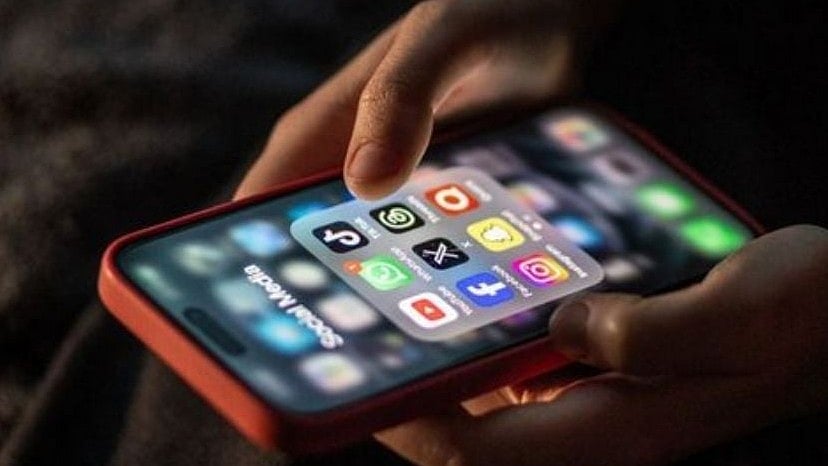
Britain Bans Social Media For Under-16s In Major Online Safety Crackdown | File Photo (Representational Image)
Prime Minister Keir Starmer declares a 'line in the sand' as Britain moves to bar children from TikTok, Instagram, YouTube and more, with legislation due before Christmas. Britain has announced one of the most sweeping bans on children's social media access anywhere in the world, with Prime Minister Keir Starmer declaring that the government will bar under-16s from a wide range of platforms. Starmer also said that it will hold tech companies, not parents or children, responsible for enforcing it.
"We're going further than any country in the world by banning social media for under-16s and putting wider protections in place to give kids their childhood back," Starmer said at a Downing Street press conference on June 15. He also posted the announcement on X, using the platform itself to signal a crackdown that would affect it directly.
"This is a line in the sand. Tech giants had their chance and failed, but we're stepping in to protect children, back parents and set a new normal for future generations," the Prime Minister added.
What is banned?
The restrictions will apply to "user-to-user platforms whose purpose is to enable social interaction and which allow users to post material, alongside algorithms," according to a government statement.
Platforms confirmed to fall under the ban include:
- TikTok
- YouTube
- Snapchat
- X
Beyond a blanket access ban, the UK government says it will go further than Australia, whose own under-16 ban came into force in December 2025, by introducing what it describes as 'world-leading blocks on harmful functions.' These include restrictions on livestreaming and stranger communication with children, which will apply not just to social media platforms but also to other online services, including gaming sites.
More than 83 percent of parents who responded to a government consultation said the risks of social media outweigh the benefits for children, and 90 percent expressed support for a minimum age of 16, according to official figure.
What is not banned?
The government has made clear that not all online communication tools will be affected. Messaging services, including WhatsApp and Signal, are not covered by the ban. YouTube Kids, the dedicated children's version of the platform, is also excluded.
The distinction reflects the government's stated aim of targeting algorithmically driven, open social platforms rather than direct messaging or curated children's services.
Tech companies Face the Burden — and the Penalties
Under the proposed framework, the onus falls squarely on technology companies to prevent under-16s from accessing their platforms. Starmer said he would fight back if companies resist compliance.
The legislation follows a model similar to Australia's, where platforms face significant financial penalties for failing to take reasonable steps to enforce the age limit. The UK government has not yet published specific fine amounts, but said legislation would be brought before Parliament before Christmas, with protections expected to come into force in spring 2027.
TikTok responded to the announcement by saying it shared "the government's goal of safe online experiences for teens," pointing to its existing safety settings for younger users.
The UK's announcement places it within a rapidly expanding group of governments moving to restrict children's social media use. Australia was the first country to implement an outright ban, in December 2025. Canada, Brazil and Indonesia have since introduced their own legislation or age-based access requirements. France, Spain, Denmark, Thailand and South Korea are among the countries studying or developing similar measures.
RECENT STORIES
-
-
-
-
-