Eyes In The Sky Go Dark: Planet Labs Indefinitely Withholds Satellite Images Of The Iran War At US Government's Request
Planet Labs will indefinitely withhold satellite imagery of Iran and Middle East conflict zones following a US government request. The firm has shifted to a managed access model, citing security concerns. The move expands earlier delays on imagery aimed at preventing adversaries from using real-time visuals during the ongoing conflict.

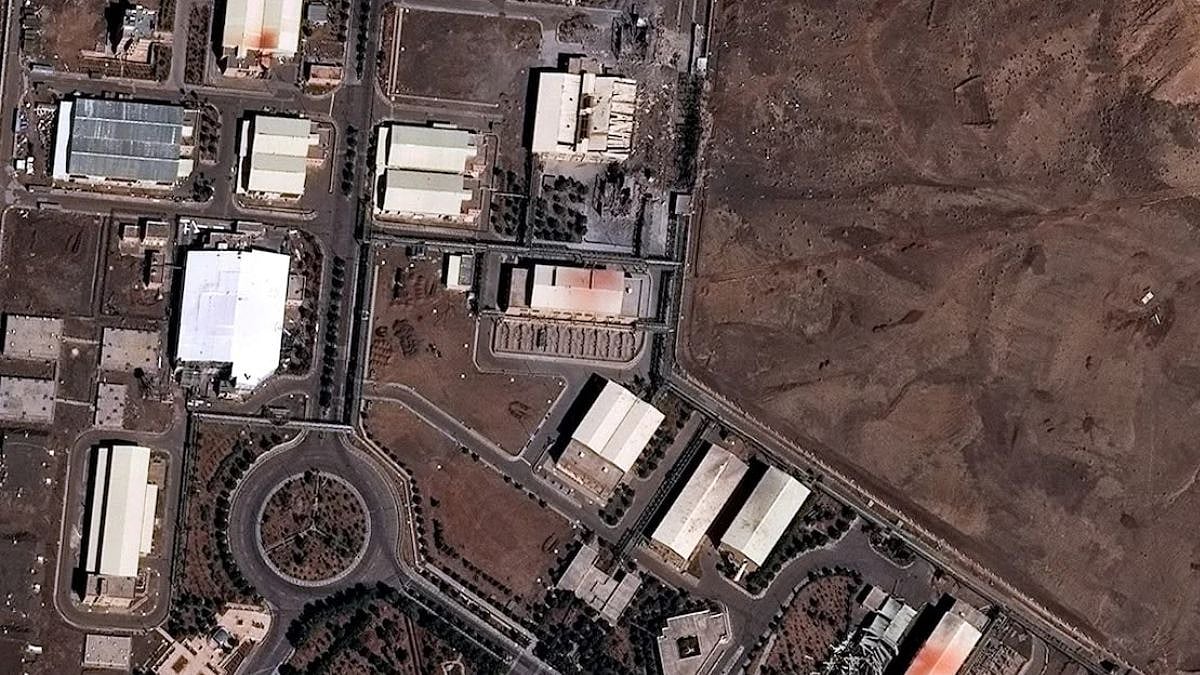
Eyes In The Sky Go Dark: Planet Labs Indefinitely Withholds Satellite Images Of The Iran War At US Government's Request |
Planet Labs has announced that it will indefinitely withhold imagery of Iran and the conflict region in the Middle East to comply with a request from the US government. The company announced the decision in an email to customers, saying the US government had asked all satellite imagery providers to indefinitely withhold imagery of the conflict region.
The email by Planet Labs reads, "Due to the conflict in the Middle East, the US government has requested all satellite imagery providers voluntarily implement an indefinite withhold of imagery in the designated Area of Interest (AOI). Effective retroactively from March , Planet is moving to a managed access model... We expect this policy to last through the end of the conflict."
What is Planet Labs?
Planet Labs is a California-based satellite imaging firm that operates a large fleet of Earth-imaging satellites and sells frequently updated images to governments, companies, and media. One of the most significant commercial satellite operators on the planet, it has for years been the go-to source for near-real-time imagery of conflict zones, disaster sites, nuclear facilities, and military installations, including extensively documented imagery of Iran's infrastructure in the months leading up to the current war. Its data is used by journalists, intelligence analysts, academics, financial traders, and humanitarian organisations worldwide.
This is not the first time Planet Labs does this
This is not Planet Labs' first move to restrict access. The restriction expands upon a 14-day delay on imagery of the Middle East that Planet Labs implemented last month, which itself extended an initial 96-hour delay, a move the firm said was meant to prevent adversaries from using the imagery to attack the US and its allies.
The war began when the US and Israel attacked Iran on February 28, and the conflict spread in the region when Tehran responded by launching its own attacks on Israel and US bases in Gulf states, including Saudi Arabia, Kuwait, and Bahrain.
What impact will this decision have?
The decision underscores the growing strategic role of commercial satellite operators in modern conflicts, where high-resolution imagery can influence military planning as quickly as it informs financial markets and the public. Once controlled by governments, Earth observation has evolved into a multibillion-dollar industry supplying near-real-time intelligence to clients worldwide.
Military uses of satellite technology include target identification, weapons guidance, missile tracking, and communications. Some space specialists say Iran could be accessing commercial imagery, including pictures obtained via U.S. adversaries.
Planet Labs is not alone. Vantor, formerly Maxar Technologies, told Reuters it was not contacted by the US government but currently has applied enhanced access controls for parts of the Middle East, including limits on who can request images of regions where the US military and its allies are actively operating.
In its customer email, the company acknowledged the weight of the decision: "These are extraordinary circumstances, and we are doing all we can to balance the needs of all our stakeholders. We will continue to monitor the situation and make adjustments as possible to minimize the impact on data availability to our customers."
RECENT STORIES
-
-
-
-
-