Beed Collector Directs Officials To Ensure Nutrition For All Amid Drought Concerns
In view of deficient rainfall during the kharif season and the adverse conditions that prompted the government to declare certain areas drought-hit, the administration has been instructed to ensure the effective implementation of the Integrated Child Development Services (ICDS) scheme. The objective is to protect vulnerable sections of the population from the impact of the emerging situation

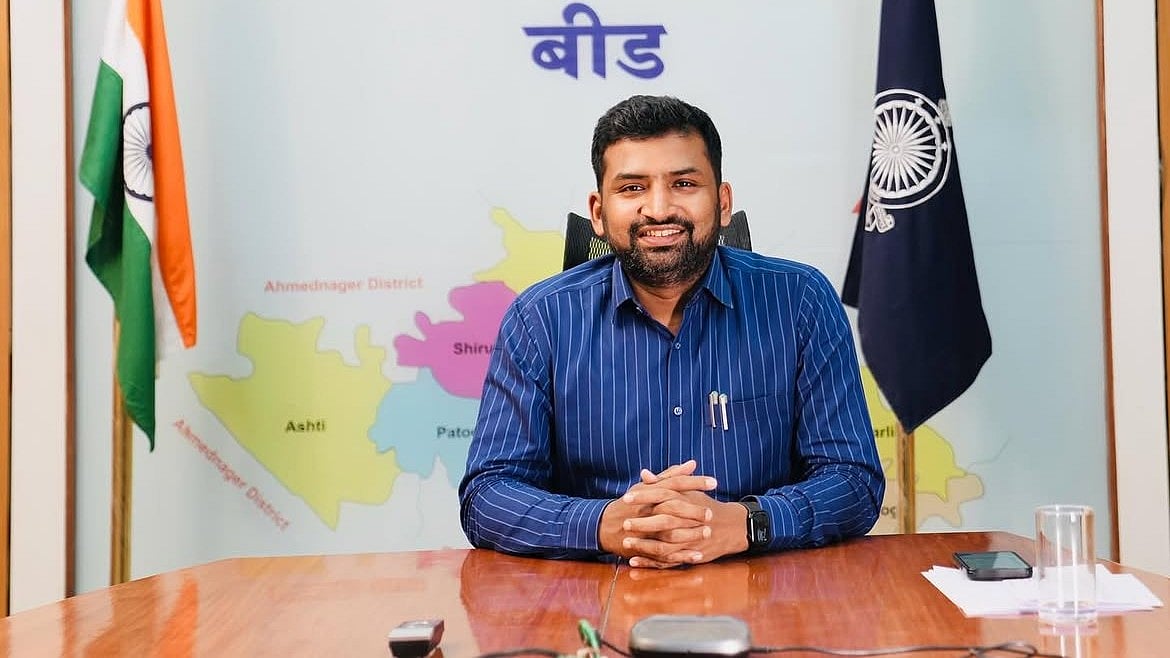
Beed Collector Vivek Johnson | Instagram / vivek_johnson_ias
Beed: Beed District Collector Vivek Johnson has directed officials to ensure that no eligible beneficiary is deprived of supplementary nutrition despite the possibility of drought in the district. He stressed the need for heightened vigilance to safeguard the health of young children, pregnant women and lactating mothers, particularly in rural and water-scarce areas.
Johnson was speaking at a review meeting of the district-level Nutrition Monitoring Committee of the Women and Child Development Department, Zilla Parishad, held on Wednesday.
In view of deficient rainfall during the kharif season and the adverse conditions that prompted the government to declare certain areas drought-hit, the administration has been instructed to ensure the effective implementation of the Integrated Child Development Services (ICDS) scheme. The objective is to protect vulnerable sections of the population from the impact of the emerging situation.
During the meeting, the collector reviewed the availability of supplementary nutrition, foodgrain stocks, drinking water and fuel required for the uninterrupted functioning of anganwadi centres across the district.
Officials informed the meeting that more than 59,000 children aged between three and six years were being provided hot, freshly cooked meals (HCM) through anganwadi centres. In addition, around 81,000 beneficiaries, including children aged six months to three years, severely underweight children, pregnant women and lactating mothers, were receiving take-home rations (THR).
Anganwadi centres in rural areas, as well as those under the Beed East and Beed West urban projects, are regularly providing morning snacks and nutritious afternoon meals through women's self-help groups and anganwadi workers.
Officials also informed the meeting that foodgrains and nutrition supplies for October and November had been delivered, while requirements for subsequent months had been submitted. At present, no shortage of foodgrains, drinking water or fuel had been reported at anganwadi centres or by the self-help groups involved in supplying meals.
Johnson directed the Women and Child Development, Health, Water Supply and Revenue departments to work in close coordination to ensure that nutrition supplies are not disrupted under any circumstances, even if water scarcity worsens in the coming months.
He also called for special attention to the quality of food served at anganwadis, regular health check-ups for children and timely immunisation. Officials were instructed to take prompt measures to prevent malnutrition and protect the health of vulnerable beneficiaries.
The meeting was attended by the district programme officer of the Women and Child Development Department and officials from the departments concerned.
RECENT STORIES
-
-
-
-
-