Thane Records Sharp Monsoon Deficit; Shahapur Receives Just 14 Per Cent Of Last Year's June Rainfall
Thane district has recorded a severe monsoon deficit, with Shahapur receiving only 76.6 mm of rainfall in June, just 14% of last year's total. The shortfall has delayed paddy transplantation, raised concerns over the Kharif season and left Mumbai's seven water-supplying reservoirs at only 6.75% of their live storage capacity.

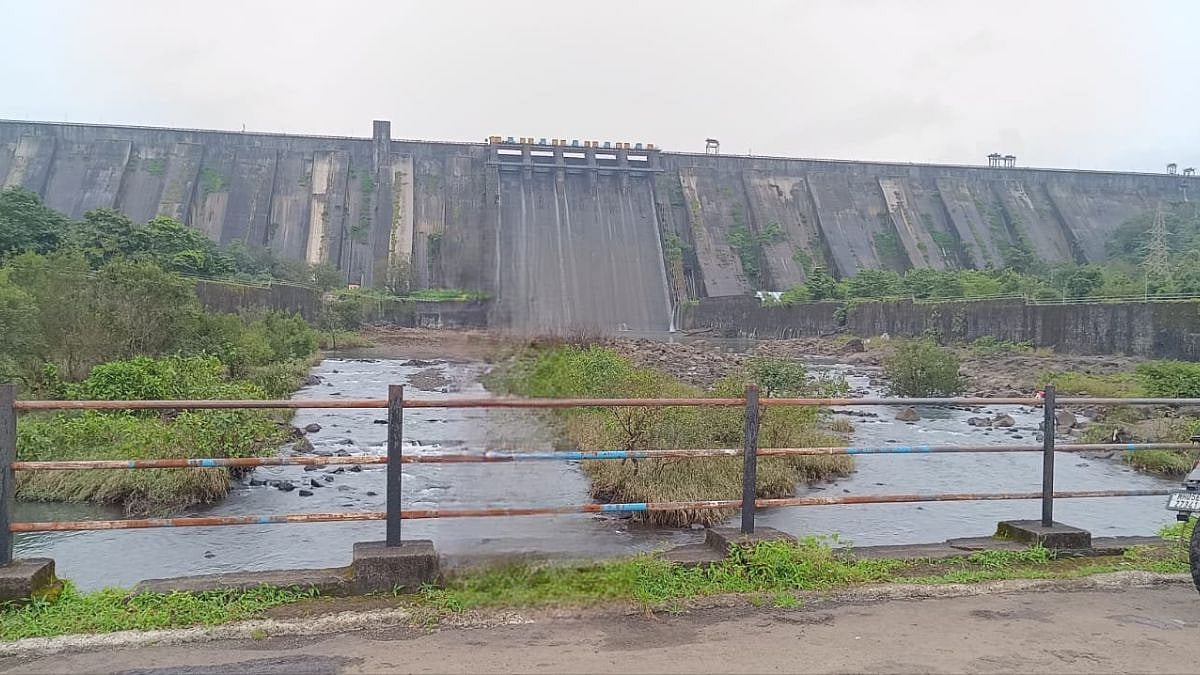
Weak monsoon rainfall has delayed paddy transplantation and reduced reservoir inflows across Thane district | File Photo
Thane, July 1: A severe monsoon shortfall across Thane district has triggered concern among farmers and water resource officials, with Shahapur, one of the region's key paddy-growing belts, recording one of the steepest declines in rainfall this June.
Official rainfall data up to June 30, 2026, shows that Shahapur taluka received only 76.6 mm of rainfall, compared with 539.6 mm during the corresponding period last year, marking a deficit of nearly 463 mm.
The rainfall received so far amounts to barely 14% of last year's June total, making it one of the worst-performing talukas in the district this monsoon.
The situation is equally alarming when compared with Shahapur's long-term June average of 421.9 mm, with the taluka receiving only 18.2% of its normal rainfall this year.
The rainfall deficit extends across the entire district. Thane has recorded 126.6 mm of rainfall till the end of June, against 539.4 mm during the same period in 2025, reflecting a shortfall of 412.8 mm. Overall, the district has received only 27.4% of its normal June rainfall, indicating a significantly delayed and weak onset of the southwest monsoon.
Rainfall Deficit Across Talukas
Taluka-wise figures underline the widespread nature of the deficit. Bhiwandi received 121.5 mm of rainfall this June, compared with 532.2 mm last year. Kalyan recorded 97.8 mm, down from 453.9 mm in June 2025, while Ulhasnagar received 123 mm against 481.8 mm last year.
Ambarnath witnessed one of the sharpest declines, recording just 70.6 mm compared with 465.3 mm during the corresponding period in 2025. Murbad, which had received 646.7 mm last June, has recorded only 163.5 mm this year.
The prolonged dry spell has raised serious concerns for the ongoing Kharif season, particularly paddy cultivation, which is heavily dependent on timely and sustained rainfall.
Farmers across Shahapur say that although paddy nurseries have already been prepared, inadequate water accumulation in agricultural fields has delayed transplantation activities.
Agriculture experts warn that if substantial rainfall does not arrive soon, sowing schedules may be pushed back, potentially affecting crop productivity and farmers' incomes during the current season.
Reservoir Levels Raise Concern
The weak monsoon has also impacted the region's water resources. Reservoirs located in Shahapur, which play a crucial role in supplying drinking water to Mumbai, are yet to witness significant inflows. As of June 30, the seven major reservoirs supplying water to the metropolis collectively held only 6.75% of their live storage capacity.
Key reservoirs, including Bhatsa, Tansa and Modak Sagar, have recorded lower-than-expected inflows due to deficient rainfall in their catchment areas. Water resource officials are now banking on widespread rainfall during July to improve reservoir storage levels and ease concerns over future water availability.
Speaking about the situation, Sharad Shankar Bhalke, a farmer from Nadgaon, said the delay in rainfall has left cultivators anxious.
“June has ended, but our fields still do not have sufficient water. Many farmers have already prepared paddy nurseries, but conditions are not yet suitable for transplantation. Last year, the fields were adequately filled with rainwater by this time. If heavy rainfall does not arrive in the coming days, paddy transplantation will be delayed and crop production is likely to suffer,” Bhalke said.
Also Watch:
With the monsoon yet to gather momentum, farmers, water managers and local authorities will be closely watching rainfall activity over the next few weeks, as July is expected to determine both the success of the Kharif season and the region's water security for the months ahead.
To get details on exclusive and budget-friendly property deals in Mumbai & surrounding regions, do visit: https://budgetproperties.in/
RECENT STORIES
-
-
-
-
-