Mumbai Pydhonie Watermelon Death Mystery: What Is Zinc Phosphide? Know Symptoms Of The Deadly Poison
A forensic report in the Dokadia family death case detected Zinc Phosphide, a toxic chemical commonly used in rat poison, in the suspected watermelon. Officials believe the substance may have caused the deaths after releasing poisonous phosphine gas inside the body. Police are examining food samples and investigating how the chemical entered the fruit.

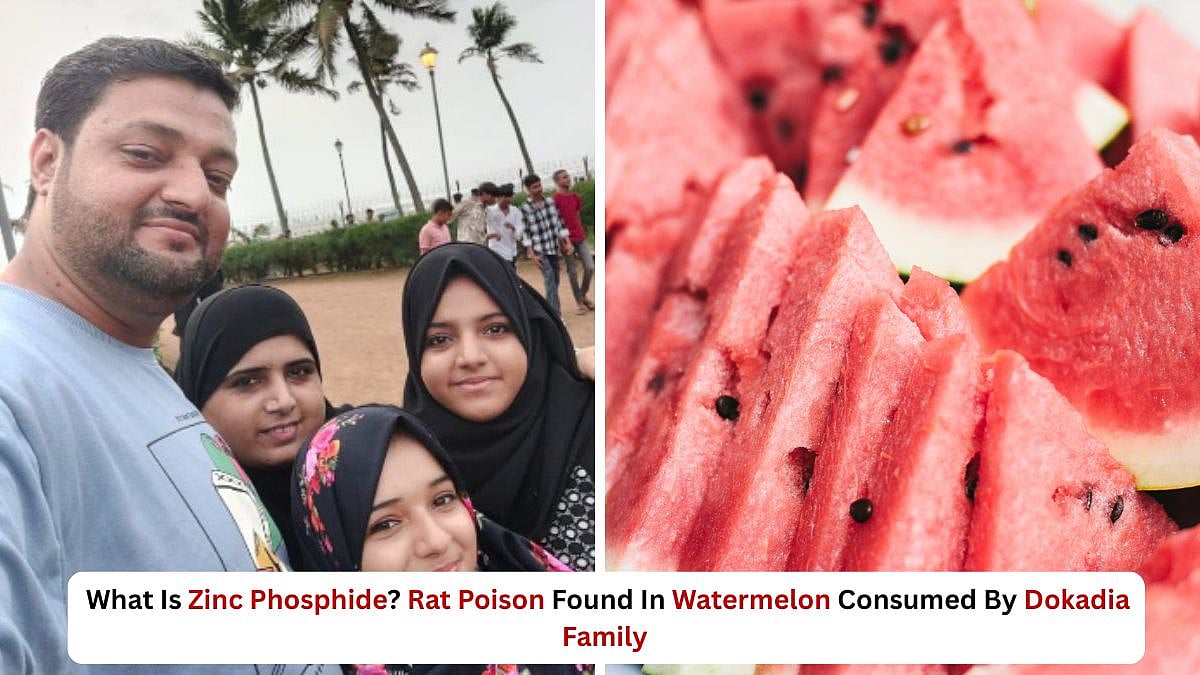
Mumbai: The forensic report in the case involving the death of the Dokadia family after allegedly consuming watermelon has revealed the presence of Zinc Phosphide, a highly toxic substance commonly used in rat poison. Officials suspect the chemical may have caused the deaths, while investigations into the matter are still ongoing.
What Is Zinc Phosphide?
According to the National Pesticide Information Centre website, Zinc phosphide is a chemical compound widely used in pesticides and rodent-control products. It is mainly found in poison baits prepared to kill rats, mice, and other rodents. The compound itself becomes extremely dangerous once it enters the stomach, where it reacts with gastric acid and releases phosphine gas, a highly poisonous gas known to affect multiple organs in the body.
The toxic gas produced from zinc phosphide exposure is considered life-threatening and can rapidly spread through the bloodstream after ingestion.
How Does It Affect Humans?
The website explains that once zinc phosphide enters the body, it converts into phosphine gas inside the stomach. The gas then affects major organs including the liver, kidneys, lungs, heart, and nervous system.
Early symptoms of poisoning may include nausea, vomiting, dizziness, headache, stomach pain, and breathing difficulties. In severe cases, the poisoning can lead to organ failure, seizures, unconsciousness, coma, and death. Phosphine gas poisoning progresses rapidly and can become fatal within a short period if immediate medical treatment is not provided.
What Happens After Exposure?
If zinc phosphide particles are inhaled, they are usually cleared from the lungs and swallowed, eventually reaching the stomach where toxic gas formation begins again. Once released, phosphine circulates throughout the body and damages tissues and organs.
Doctors note that the body breaks down the toxin slowly, but severe exposure can result in irreversible internal damage before treatment becomes effective.
Probe Continues
Following the latest forensic confirmation, police are continuing to examine food samples, question relatives and trace the source of the contaminated watermelon.
Officials said further investigation is underway to determine how the toxic substance entered the fruit.
To get details on exclusive and budget-friendly property deals in Mumbai & surrounding regions, do visit: https://budgetproperties.in/
Published on: Friday, May 08, 2026, 06:39 PM ISTRECENT STORIES
-
-
-
-
-