Mumbai: Gorai Residents Worried Over AAI's Dahisar Radar Relocation; Raise Concerns Over Health And Ecological Risks
Gorai residents have opposed the proposed shift of an AAI radar from Dahisar, citing risks to health, environment, and livelihoods. They have demanded impact assessments and alternative locations, warning of displacement and redevelopment restrictions.

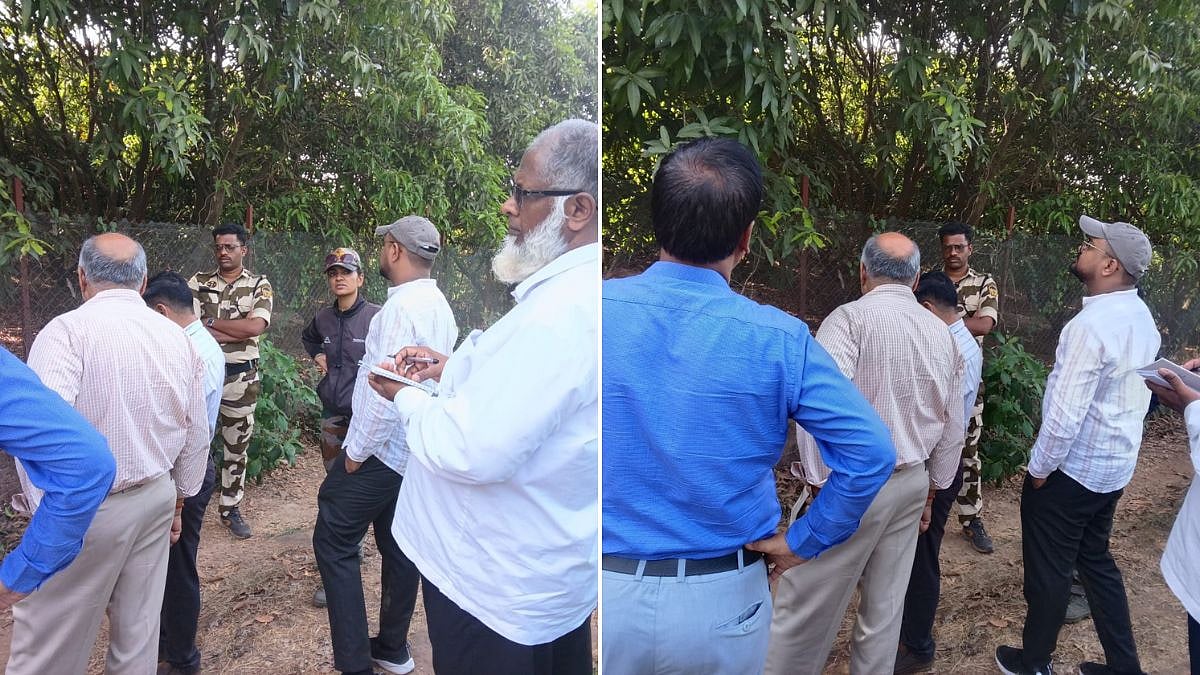
Officials from the forest and revenue department visit Jamdharpada in Gorai to assess the site for shifting the radar system | File Photo
Mumbai, April 11: The residents of Gorai have registered a strong objection to the state government's plan to relocate the Airports Authority of India's (AAI) high-frequency radar system from Dahisar to Gorai village.
The residents have urged the state government for environmental and health impact assessments and to explore alternative non-residential and non-agricultural locations for the project, citing concerns about livelihood and public health.
Relocation plan and Dahisar benefit
The relocation was announced by the Chief Minister in January just ahead of the Brihanmumbai Municipal Corporation (BMC) elections, which was initially framed as a major win for Dahisar.
Shifting the radar would remove stringent height restrictions in Dahisar, unlocking roughly 29 acres for a public garden and paving the way for long-stalled redevelopment projects.
Residents oppose shift to Gorai
The move hasn't gone well with the residents of the coastal hamlet of Gorai, who have claimed that the relief for Dahisar is being bought at their expense.
In a detailed letter to the CM and other top officials, the Gorai Villagers Welfare Association (GVWA) slammed the move as a threat to local livelihoods, public health, and the ecological balance of the region.
These high-frequency radar systems are used for long-range communication and signalling for aircraft. They require large, open tracts of land for antenna masts and are sensitive to surrounding vertical obstructions.
Livelihood and displacement concerns
The Association’s letter, dated Saturday, outlines a multi-pronged critique of the project, which is set to occupy approximately 20 acres of land. The letter raised concerns over the radar's impact on indigenous communities, claiming that the identified land is actively used for agriculture by Adivasi and East Indian communities. The residents have warned that the project will result in displacement and a total loss of livelihood for hundreds of families.
The residents also expressed worries that, much like the situation previously seen in Dahisar, the radar will impose a 5 km radius of height restrictions, which would freeze redevelopment in Gorai Village, Uttan, and Gorai 1 and 2, causing long-term economic damage to property owners.
The letter also highlighted significant anxiety regarding continuous electromagnetic radiation. Residents cited concerns over tissue heating, sleep disturbances, and long-term risks to vulnerable groups, including children and the elderly.
Environmental and transparency issues raised
The association highlighted that the site is home to varied and rare species of trees and birds and expressed fear that construction in a zone close to coastal regulation zone, wetlands, and mangroves will increase flooding risks and destroy local biodiversity.
The association's president, Switsy Henriques, expressed deep frustration over a lack of transparency, noting that while the news of the shift had been circulating, the specific site of Jamdharpada was never officially disclosed to them until a surprise site visit by the forest and revenue officials on April 9.
"This lack of transparency has caused serious concern and anxiety among villagers. A site visit was conducted without any prior notice or consultation, which has further deepened apprehensions regarding the project,” she said.
Also Watch:
ALSO READ
Demand for halt and assessments
GVWA has demanded an immediate halt to all acquisition proceedings and have called for a mandatory environmental impact assessment and a health impact assessment to be conducted before any further steps are taken.
The association has urged the government to protect agricultural land, indigenous community's rights, and village ecosystem by identifying alternative non-residential and non-agricultural locations.
To get details on exclusive and budget-friendly property deals in Mumbai & surrounding regions, do visit: https://budgetproperties.in/
RECENT STORIES
-
-
-
-
-