Centre Bans 16 Fixed-Dose Combination Drugs, Cites Public Health Risks And Safety Concerns
The Central Government has banned 16 fixed-dose combination drugs with immediate effect after an expert committee found them therapeutically unjustified and potentially harmful. The affected medicines were used for diabetes, pain relief, gastrointestinal disorders and infections. Manufacturers and retailers have been directed to stop their sale and distribution.

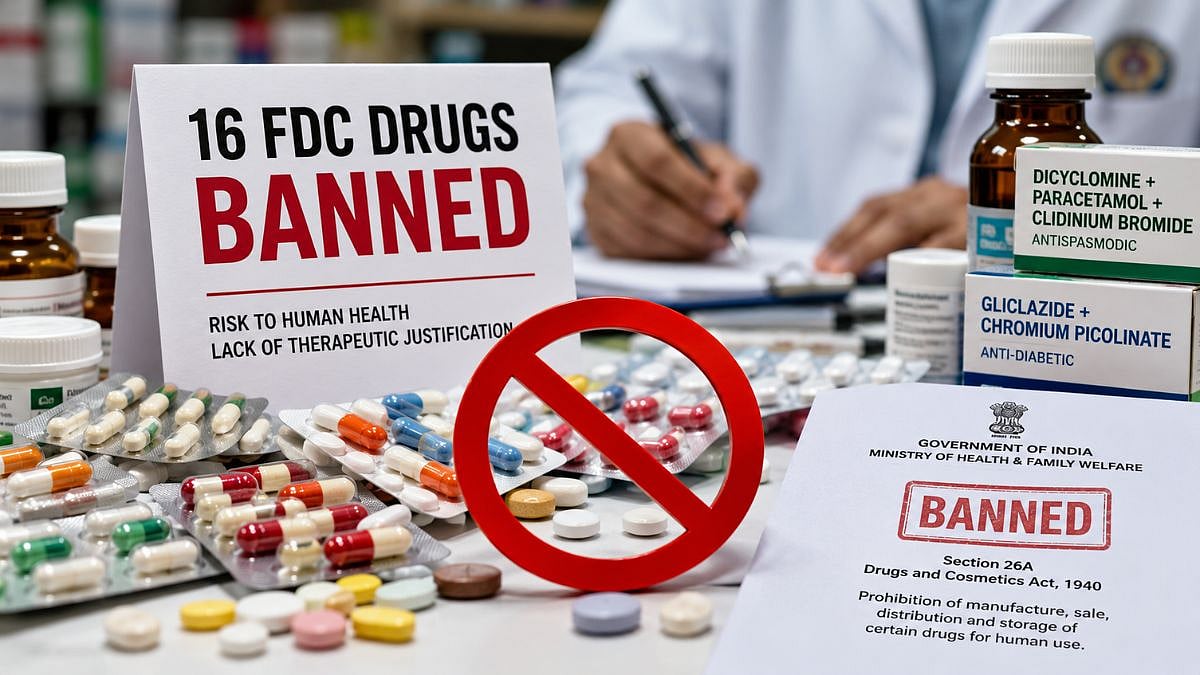
The Central Government has banned 16 fixed-dose combination drugs after an expert panel flagged safety concerns and lack of therapeutic justification | AI Generated Representational Image
Mumbai, June 20: In a significant move aimed at strengthening drug safety, the Central government has prohibited the manufacture, sale, distribution and storage of 16 Fixed Dose Combination (FDC) drugs for human use with immediate effect, stating that their use is likely to pose a risk to human health.
The banned medicines were being used for a range of conditions, including bacterial infections, pain management, gastrointestinal disorders, diabetes care and dermatological treatments.
Expert panel flags safety concerns
The decision follows a review by an expert committee, which concluded that these drug combinations lack therapeutic justification and may pose risks to public health.
Acting on the committee's recommendations, the government invoked Section 26A of the Drugs and Cosmetics Act, 1940, which empowers it to prohibit drugs deemed unsafe, ineffective or irrational in the public interest.
Fixed Dose Combinations are medicines that contain two or more active pharmaceutical ingredients in a fixed ratio within a single dosage form. While many FDCs help improve patient compliance and reduce pill burden, regulators have increasingly scrutinised combinations that offer no proven therapeutic advantage or expose patients to unnecessary risks.
The combinations identified by the expert panel were used across multiple therapeutic areas, including bacterial infections, pain relief, gastrointestinal disorders, diabetes management and skin care.
Public health experts have expressed particular concern over certain antibiotic combinations, warning that irrational use of antibiotics can contribute to the growing threat of antimicrobial resistance.
Irrational combinations identified
Among the prohibited combinations is Gliclazide + Chromium Picolinate, which was marketed for the management of Type 2 diabetes. Another is Dicyclomine + Paracetamol + Clidinium Bromide, which was used to relieve abdominal pain, intestinal spasms and gastrointestinal disorders.
The expert panel found that these combinations lacked adequate therapeutic justification and that their risks outweighed any perceived benefits.
Experts say medicines without sound scientific evidence may increase the likelihood of adverse drug reactions, complicate treatment decisions and add to healthcare costs without improving patient outcomes.
The government's action is part of ongoing efforts to promote rational drug use and ensure that medicines available in the market meet established standards of safety and efficacy.
Also Watch:
Immediate effect of notification
With the notification coming into force immediately, manufacturers, distributors and retailers have been directed to stop the manufacture, sale, distribution and storage of the affected formulations. The move is expected to further strengthen India's commitment to patient safety and the rational use of medicines.
To get details on exclusive and budget-friendly property deals in Mumbai & surrounding regions, do visit: https://budgetproperties.in/
RECENT STORIES
-
-
-
-
-