Bombay HC Rejects Rahul Gandhi’s Plea Against Magistrate Summons In Defamation Case Over PM Narendra Modi Remarks
The Bombay High Court refused to stay summons against Congress leader Rahul Gandhi in a criminal defamation case over alleged remarks about Prime Minister Narendra Modi. Justice NR Borkar found no illegality or perversity in the magistrate’s order and dismissed Gandhi’s plea challenging the proceedings.

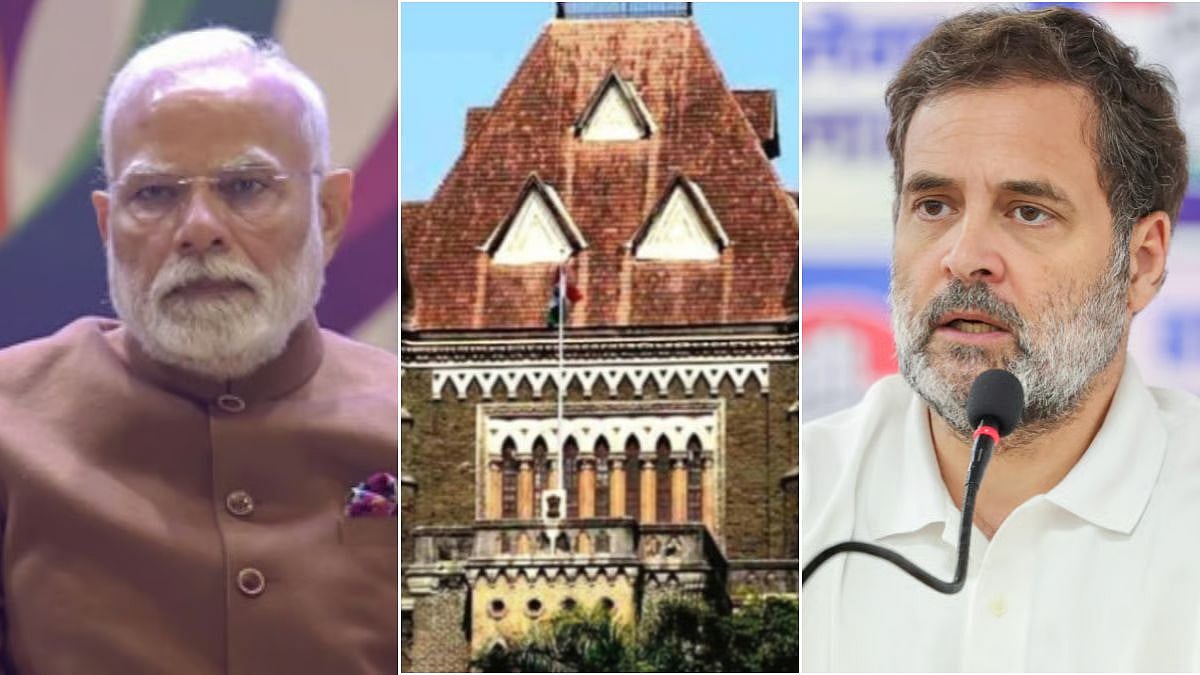
Bombay HC Rejects Rahul Gandhi’s Plea Against Magistrate Summons In Defamation Case Over PM Narendra Modi Remarks |
Mumbai: The Bombay High Court on Tuesday refused to stay summons issued by a magistrate against Congress leader and Leader of Opposition in the Lok Sabha Rahul Gandhi seeking quashing of criminal defamation proceedings initiated against him over alleged remarks concerning Prime Minister Narendra Modi.
Also Watch:
Justice NR Borkar dismissed the plea against the summons stating that there was was “no infirmity in impugned order” by the magistrate. “In absence of manifest perversity or illegality of impugned order (by magistrate), no case is made out for interference by the is court,” the judge added.
A complaint was filed in 2019 by Mahesh Hukumchand Shrishrimal, a member of the Bharatiya Janata Party, alleging that Gandhi made defamatory statements during a political rally in Rajasthan in September 2018. The complainant claimed that the remarks led to trolling and reputational harm to the Prime Minister across media and social media platforms.
ALSO READ
Acting on the complaint, the Girgaon Metropolitan Magistrate on August 28, 2019 issued process against Gandhi , directing him to appear before the court. Gandhi challenged the summons before the high court after receiving it in July 2021, contending that the complaint was politically motivated and legally untenable.
Senior Advocate Sudeep Pasbola, appearing for Gandhi, argued that the complaint was barred under Section 199(2) of the Code of Criminal Procedure, which mandates that alleged defamation of a public servant in relation to official functions can only be prosecuted upon a complaint by the competent authority before a sessions court. He further submitted that Gandhi had neither named the BJP nor targeted any identifiable or definite class, and therefore the complainant lacked locus standi (legal right of an individual to file a case).
Pasbola argued that a political party cannot be treated as a determinate class capable of maintaining a defamation complaint in a representative capacity.
Opposing the plea, Advocate General Milind Sathe argued that the magistrate had found a prima facie case after examining evidence and that a party worker could qualify as an “aggrieved person” if defamatory remarks concerned an identifiable group.
To get details on exclusive and budget-friendly property deals in Mumbai & surrounding regions, do visit: https://budgetproperties.in/
RECENT STORIES
-
-
-
-
-