156 Vultures Counted, But Indore Skies Lose White-Rumped, Red-Headed And Long-Billed Species
Choral Range once again emerged as the main sanctuary, hosting 138 of the total birds. Smaller counts were recorded in Indore (9), Manpur (6), and Mhow (3). The concentration in Choral highlights the area’s ecological stability, while urbanisation and habitat fragmentation elsewhere appear to be driving other species away.

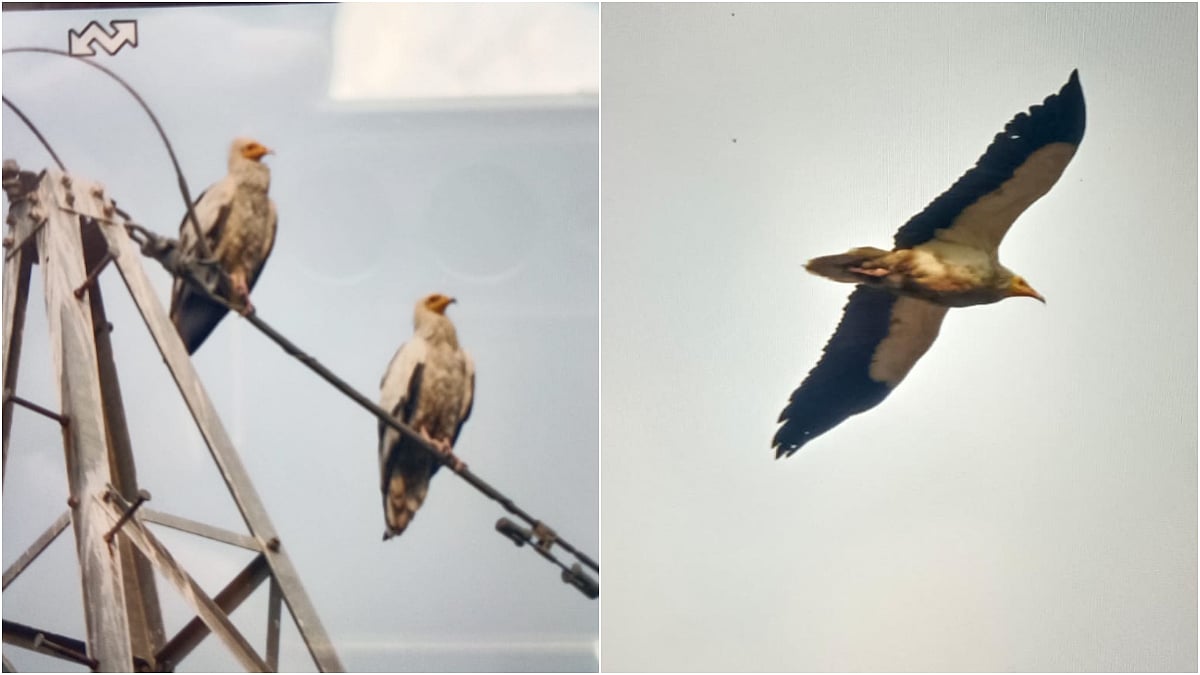
156 Vultures Counted, But Indore Skies Lose White-Rumped, Red-Headed And Long-Billed Species |
Indore: The 2025-26 biannual vulture census in the Indore Forest Division concluded on Sunday with a total of 156 birds, of which 155 were Egyptian Vultures and a single Chamar vulture. Critically, White-rumped, Red-headed, and Long-billed vultures were absent, signalling that several species may be on the verge of local extinction and raising urgent concerns about ecosystem health.
Choral Range once again emerged as the main sanctuary, hosting 138 of the total birds. Smaller counts were recorded in Indore (9), Manpur (6), and Mhow (3). The concentration in Choral highlights the area’s ecological stability, while urbanisation and habitat fragmentation elsewhere appear to be driving other species away.
Egyptian Vultures dominate, but diversity missing
Over the three-day survey, Egyptian Vultures remained dominant while other species disappeared completely:
The first day recorded 97 birds, all Egyptian, with Choral accounting for nearly 92% of sightings. Day two saw a sharp rise to 151, and the final day added a few more, bringing the total to 156.
Why missing species matter
While Egyptian Vultures play a vital role in the ecosystem, the absence of White-rumped, Red-headed, and Long-billed vultures is critical because each species has a unique ecological function:
White-rumped Vulture: Feeds on large carcasses, rapidly removing dead animals and limiting disease spread.
Red-headed Vulture: Prefers carcasses in forests and hilly areas, preventing localized accumulation of decomposing matter.
Long-billed Vulture: Consumes meat scraps and bones, completing nutrient cycles that support vegetation and other wildlife.
Without these species, carcass decomposition slows, disease risks rise, and the natural balance of the ecosystem is disrupted. The current dominance of Egyptian Vultures, while positive, cannot fully replace these ecological roles.
Also Watch:
Long-term decline
The census also underscores a decades-long decline:
2016: 284 vultures
2019: 97
2021: 117
2023: 114
January 2025: 86
February 2026 (final): 156
Despite the modest rebound, numbers remain nearly 66% below 2016 levels, reflecting habitat loss, environmental pressures, and slow recovery rates.
RECENT STORIES
-
-
-
-
-